5 Ways Role Play Develops Socio-Emotional and Cognitive Strengths
Play-Based Approach
Last updated on 24 Dec 2025
 百合谷幼儿园
Play-Based Approach
Last updated on 24 Dec 2025
5 Ways Role Play Develops Socio-Emotional and Cognitive Strengths
Play-Based Approach
Last updated on 24 Dec 2025
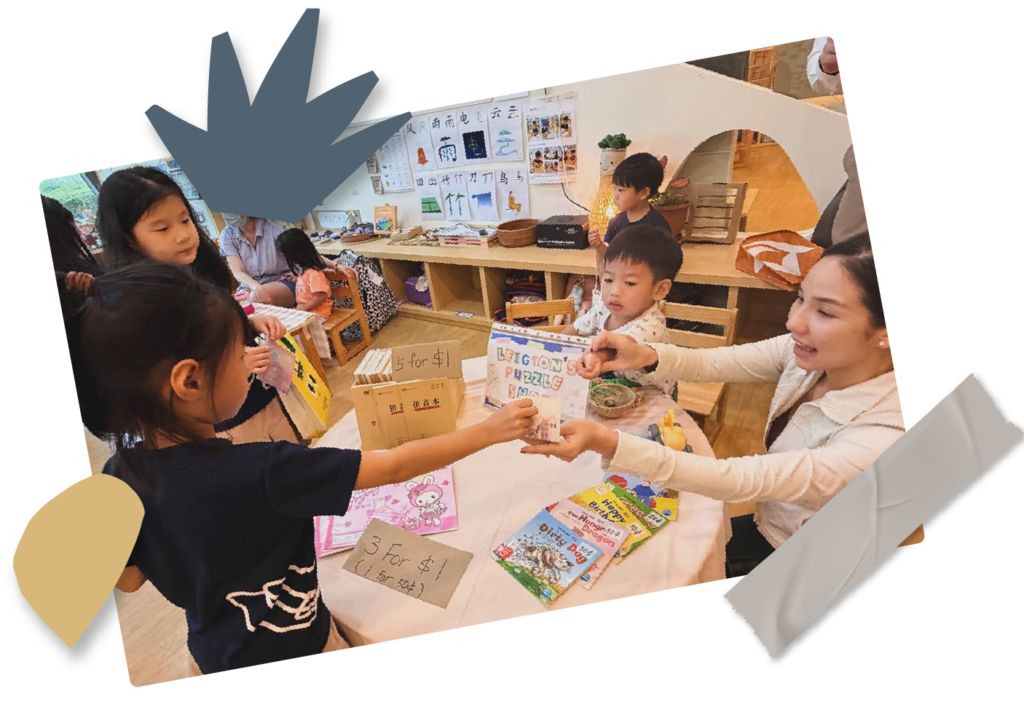
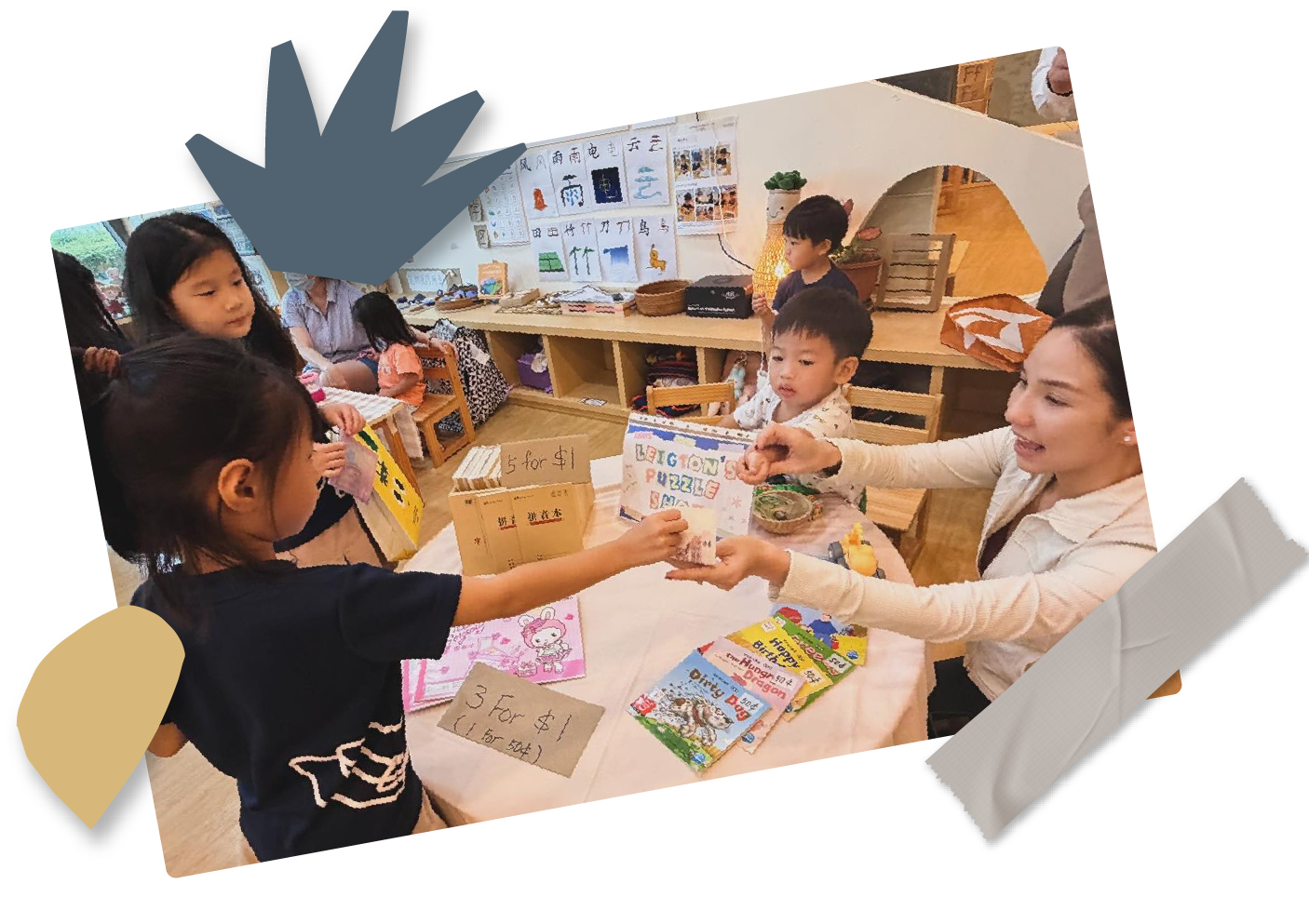
Role play is when children use their imagination to recreate real-life scenarios. It’s a common type of play for little ones.
But it goes so far beyond simply fantasising or having fun. It’s a key part of how children experiment with the world, explore their feelings, and make sense of experiences.
In the play-based approach in early childhood, role play is seen as one of the richest ways for children to grow socially, emotionally, and intellectually – that’s why it’s even encouraged by play-based preschools!
At Lily Valley Preschool, role play emerges naturally through thoughtfully designed environments, open-ended materials, and child-led inquiries. Through these, children find more opportunities to make discoveries and grow.
If you want to learn more about the importance of roleplay for child development, read on. We’ll show you how it supports children’s growth.
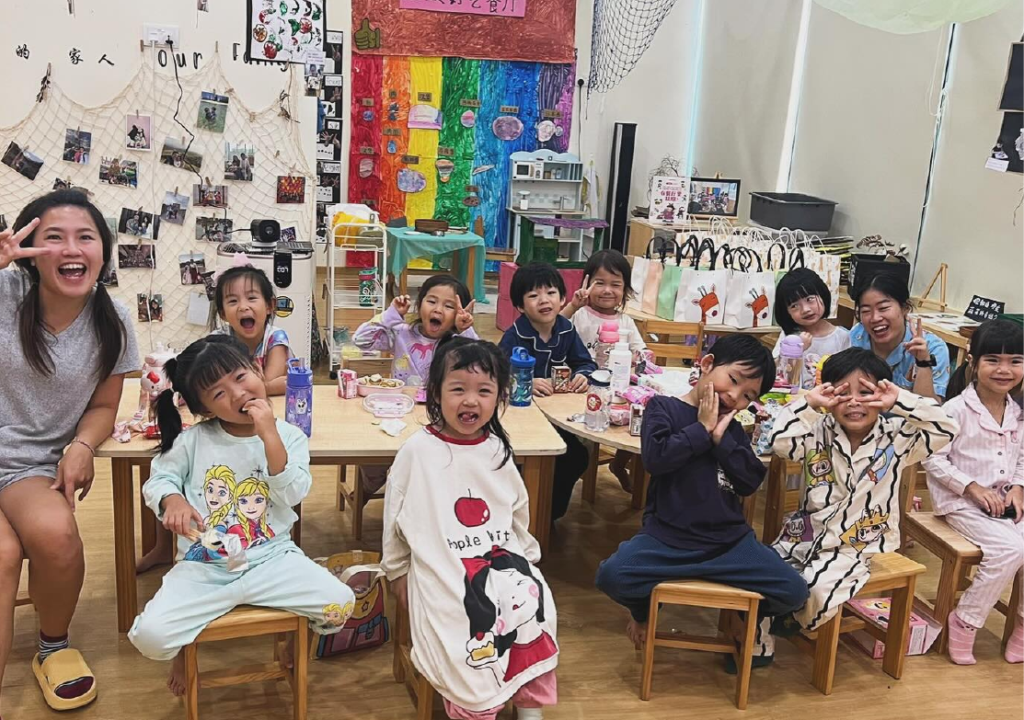
Role play gives children countless opportunities to practise speaking, listening, and interacting in meaningful ways. It’s a chance for them to communicate naturally without pressure.
In everyday role-play scenarios, children can mimic real-life conversations. That may mean greeting people, asking for help, taking food orders, or even caring for a baby.
They get to do all of these things without the stakes being too high since it’s only play. There’s no fear of getting things wrong, and there’s every opportunity to try learning the many ways to do it right!
These moments help children practise sentence structure, vocabulary, and social etiquette, learning about tone, expression, nonverbal communication, and building the confidence to interact with others.
At Lily Valley, we often give children roleplay opportunities while exploring new themes, stories, and characters. In this way, they build confidence in self-expression and pick up hundreds of communication skills that you can’t teach in theory. Thank
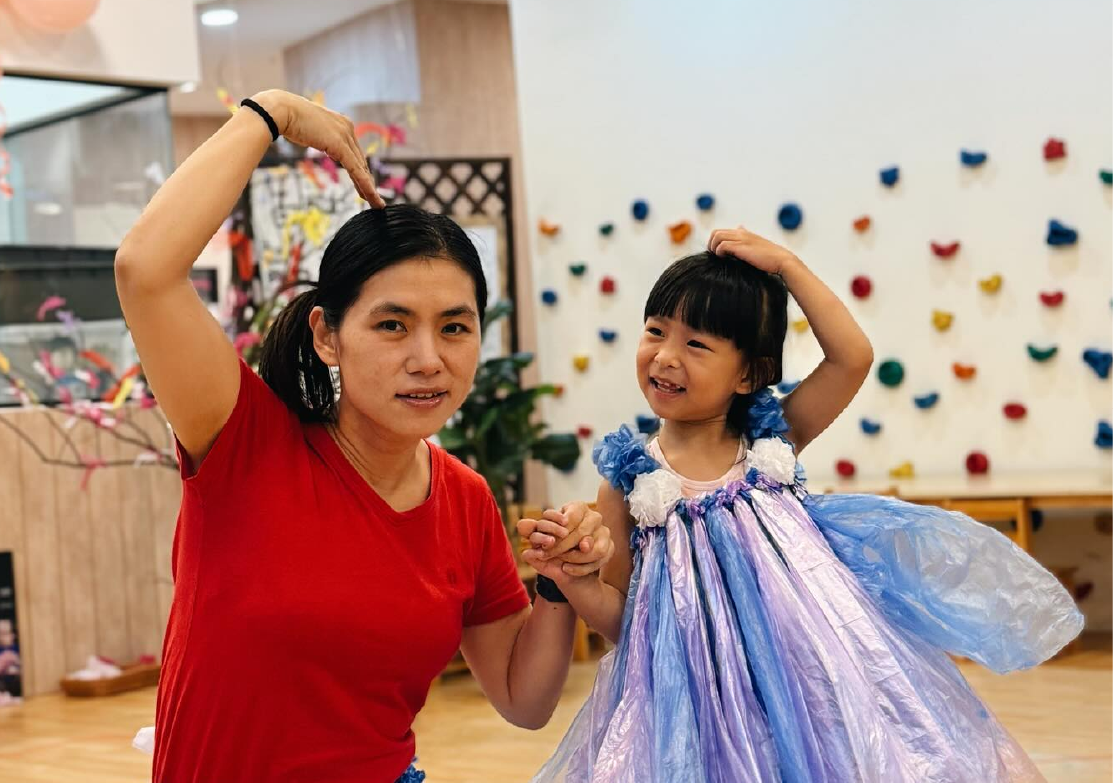
Role play allows children to step into someone else’s shoes and explore emotions from a safe distance. As children act out different roles, they practise identifying emotions and responding to them.
For example, a common roleplay situation involves recognising that others are upset and responding empathetically by offering comfort.
Role play also gives children a way to process their own big feelings, especially in difficult situations, like during a disagreement or fight. It helps them understand and process feelings they can’t fully verbalise yet.
Story reenactments help children explore how characters feel and why. Children can act out and explore feelings like frustration, excitement, fear, and joy. They learn to name them, recognise them, and even process them.
This builds a child’s emotional vocabulary and intelligence, leading to emotionally grounded children who understand both their own and others’ emotions.
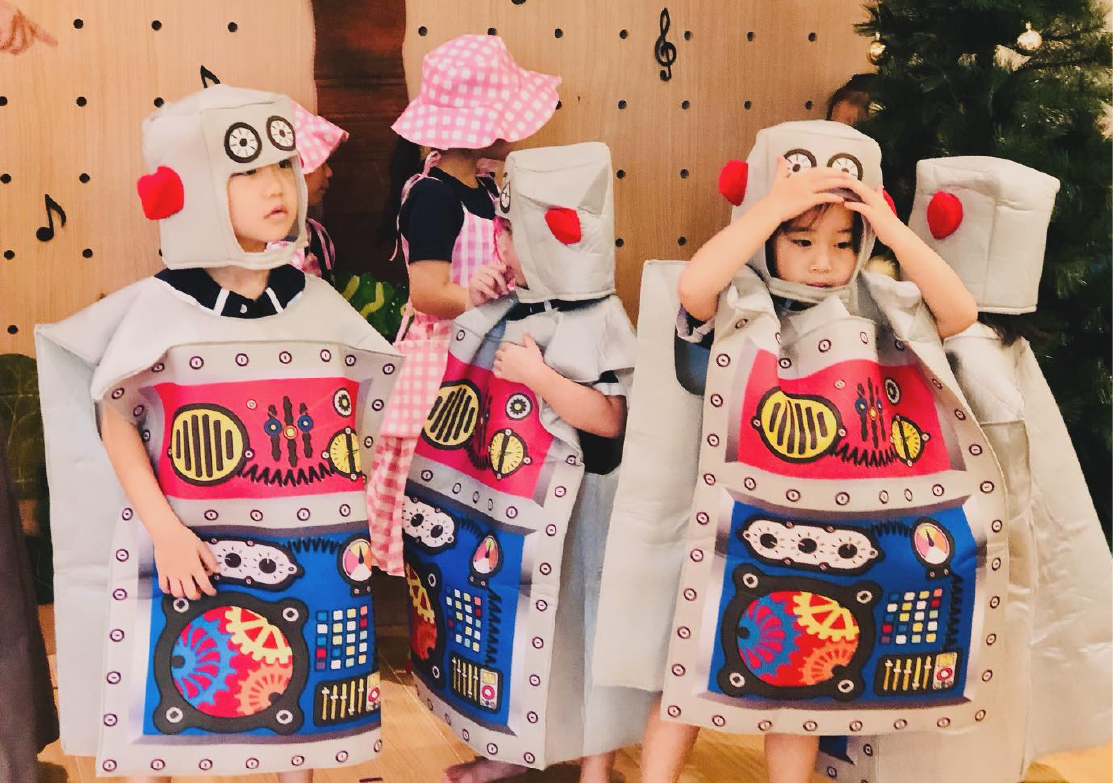
Pretend play is a powerful catalyst for higher-order thinking. It involves reasoning, planning, and problem-solving. All of these are essential cognitive skills!
At Lily Valley, we offer children chances to hone these skills with various roleplay setups. For example, we provide activations along themes like “Space Exploration” so that the children can imagine being astronauts.
They predict what they might see or feel as astronauts and build theories based on inquiry. They can also roleplay challenges that might arise.
For example, when pretending to build a rocket, they may suddenly realise they don’t have enough blocks to build it.
That introduces problem-solving opportunities, and allows our little ones to build cognitive foundations for further learning.
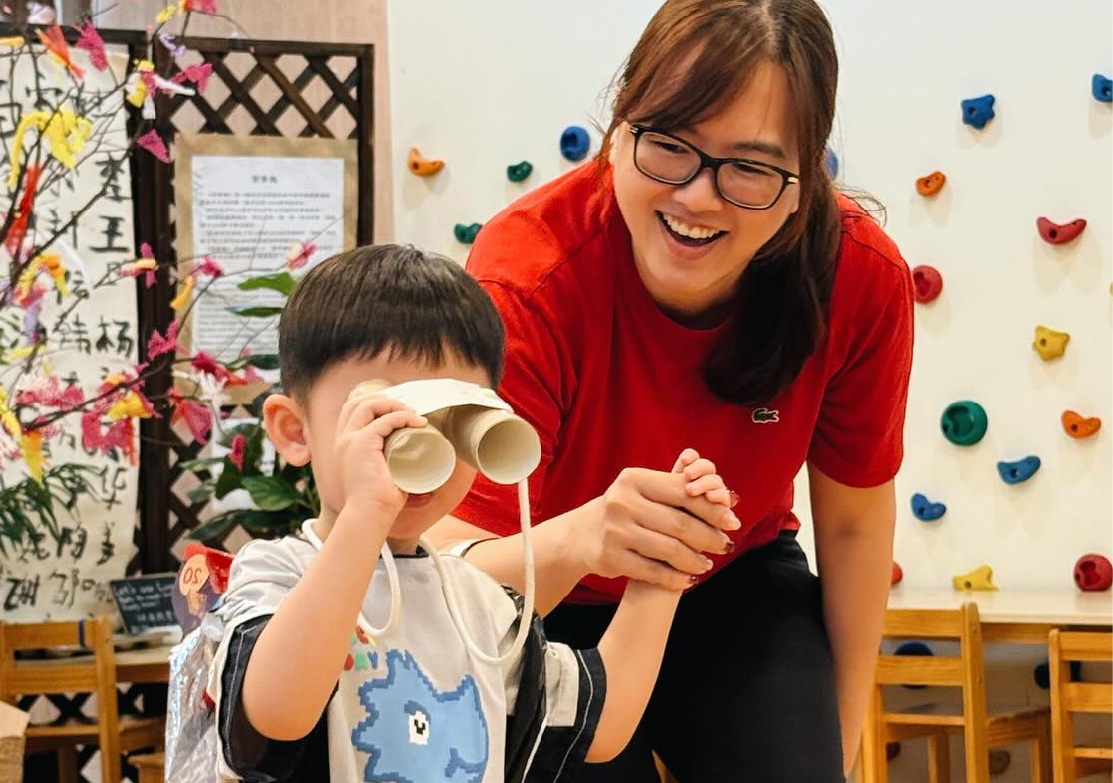
Role play turns everyday materials into endless possibilities. A scarf becomes a cape, a block becomes a steering wheel, and a cardboard tube becomes a telescope.
Creativity thrives when materials aren’t restricted to one purpose. With role play, children have the autonomy to make decisions, create stories and explore imaginative scenarios freely.
They learn to think flexibly, adapt quickly when stories change, and express ideas through multiple media – from movement to sound.
Some preschools will support this by providing tools that invite experimentation and imagination.
At Lily Valley, we ourselves have seen children use our Light & Digital Ateliers to make new stories using light and shadow, for example. Or we put on exhibitions like our Fabric Forest, so children can roleplay within it!
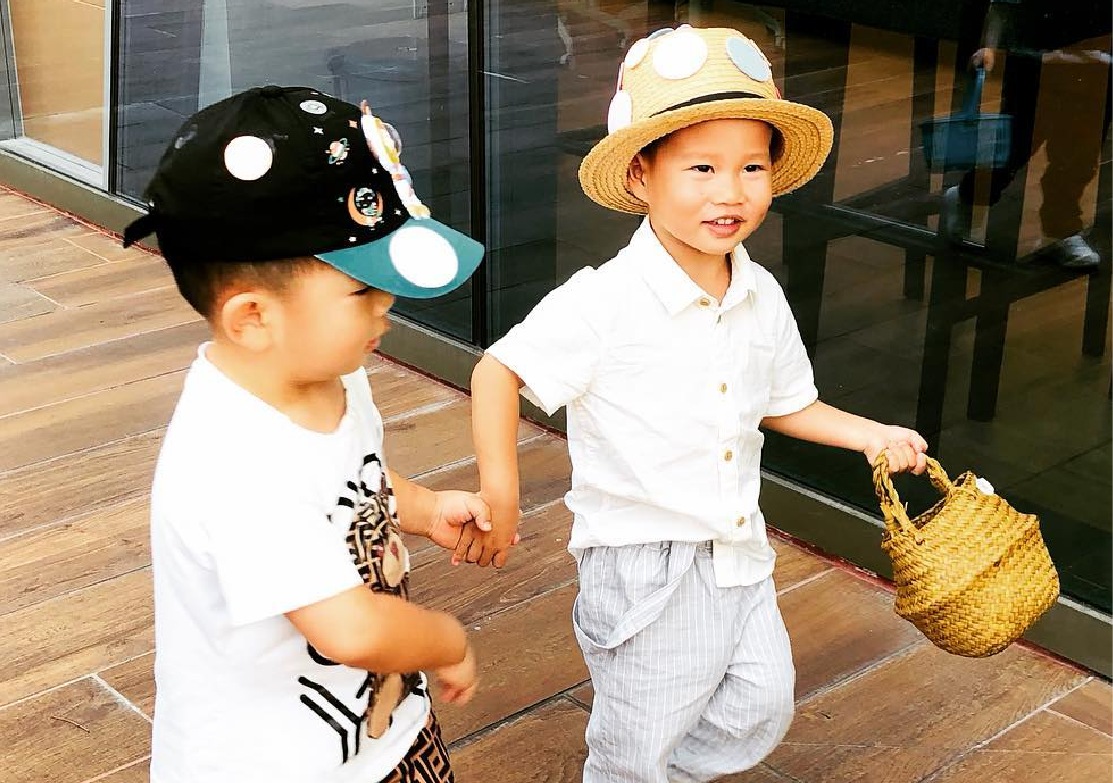
Role play requires cooperation. Children must agree on roles, decide storylines, share materials, and solve challenges together.
Children can also practise leadership in it by suggesting ideas and guiding peers. Even conflict resolution can be learned in pretend play, as children discover how to share or compromise in certain situations.
These moments help children build patience, adaptability, and respect for others’ perspectives. These are crucial social skills for school readiness.
At Lily Valley, we see this sort of collaborative training in many of our activities. In our storytelling sessions, for example, children build on each other’s ideas in shared narratives.
We also have group projects for exhibitions, where children work together to create an end product. These experiences strengthen teamwork, leadership, and emotional intelligence.
Our learning ateliers and preschool spaces are designed intentionally, with materials, lighting, textures, and atelier spaces that invite children to create stories and worlds of their own.
As pretend play unfolds naturally throughout the day with us, our teachers guide children gently by observing interests, posing thoughtful questions, and offering provocations that deepen their exploration and discovery.
Book a school tour today to see how our play-based approach uses roleplay and more to bring learning to life for our little ones!