5 Benefits of Sensory Play for Preschoolers
Play-Based Approach
Last updated on 15 Dec 2025
 百合谷幼儿园
Play-Based Approach
Last updated on 15 Dec 2025
5 Benefits of Sensory Play for Preschoolers
Play-Based Approach
Last updated on 15 Dec 2025
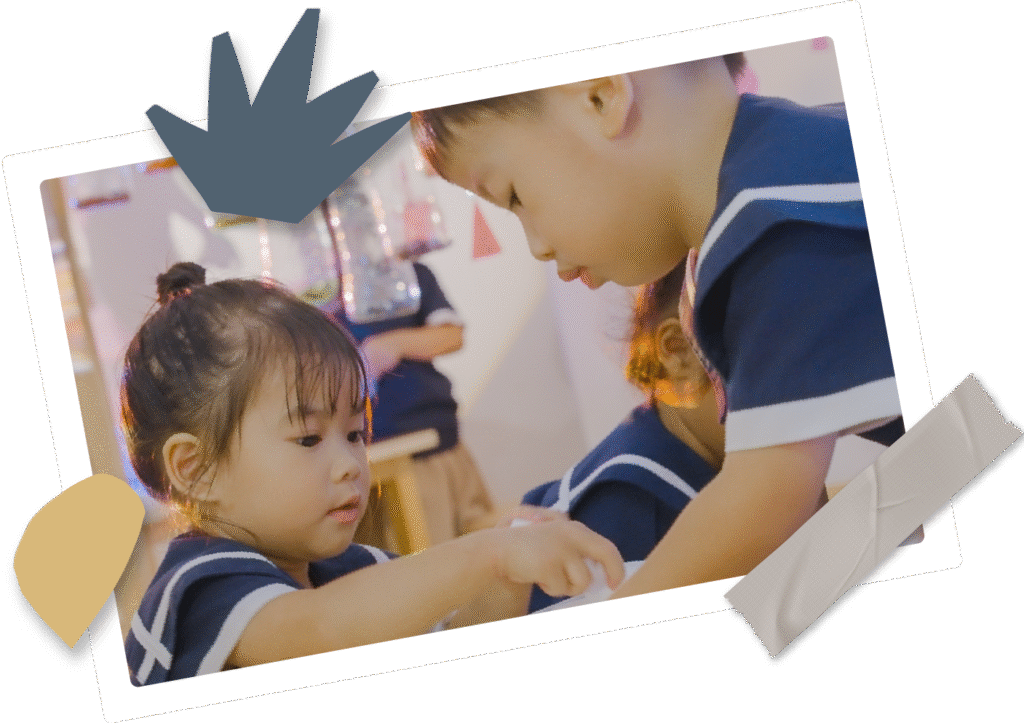
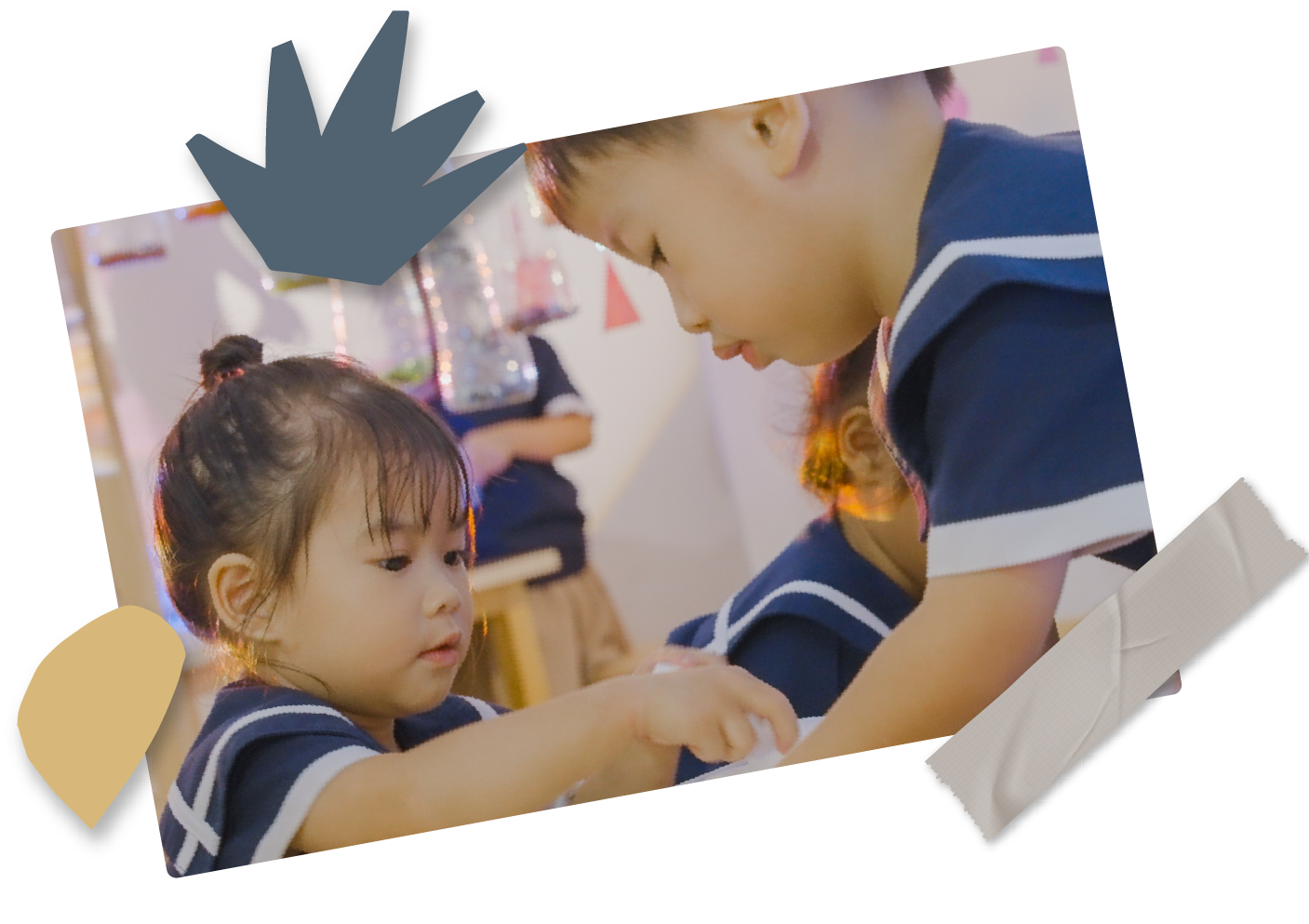
Have you heard of sensory play for preschoolers? This refers to fun activities that engage a child’s senses: touch, sight, sound, smell, taste, and even movement and balance!
One of the chief benefits of sensory play is that it encourages children to explore, observe, and experiment through hands-on experience by engaging them in multiple ways.
In a play-based preschool like Lily Valley, this type of play isn’t just about fun – it’s how our children make sense of the world around them!
It builds the foundation for language and motor coordination and can even lead to the development of emotional growth and critical thinking.
If you’re interested in letting your child benefit from this technique, read on to find out how sensory play can help a growing learner!
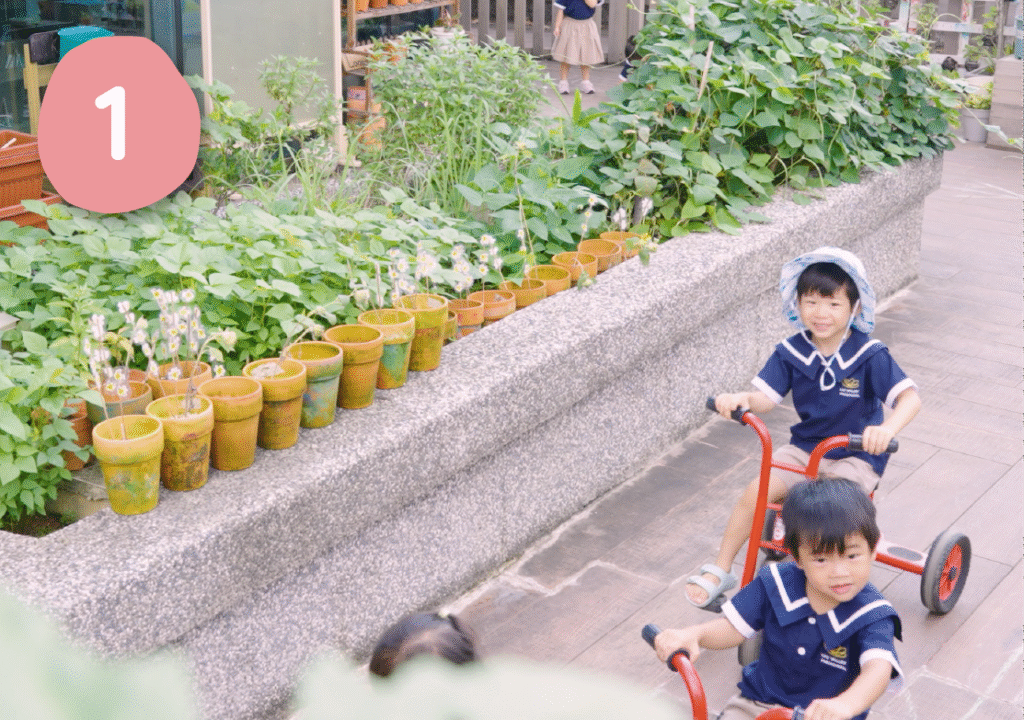
Sensory play nurtures the foundation of cognitive growth. It encourages children to question, describe, and understand their world in meaningful ways.
Via sensory play, children are introduced to the vital building blocks of critical thinking through observation and reasoning. They form connections between cause and effect through sensory observations, like light and sound.
As children describe their experience, they also naturally expand their vocabulary and expressive skills. They learn to link words to sensations: cold, rough, bright, and more.
At Lily Valley, we see this development in our specially designed ateliers, where children can use various tools and media to experiment and make their own discoveries.
In our Light Atelier, for example, they use projectors and mirrors to work with light and shadow. From here, they make predictions and test hypotheses, building the basics of scientific reasoning.
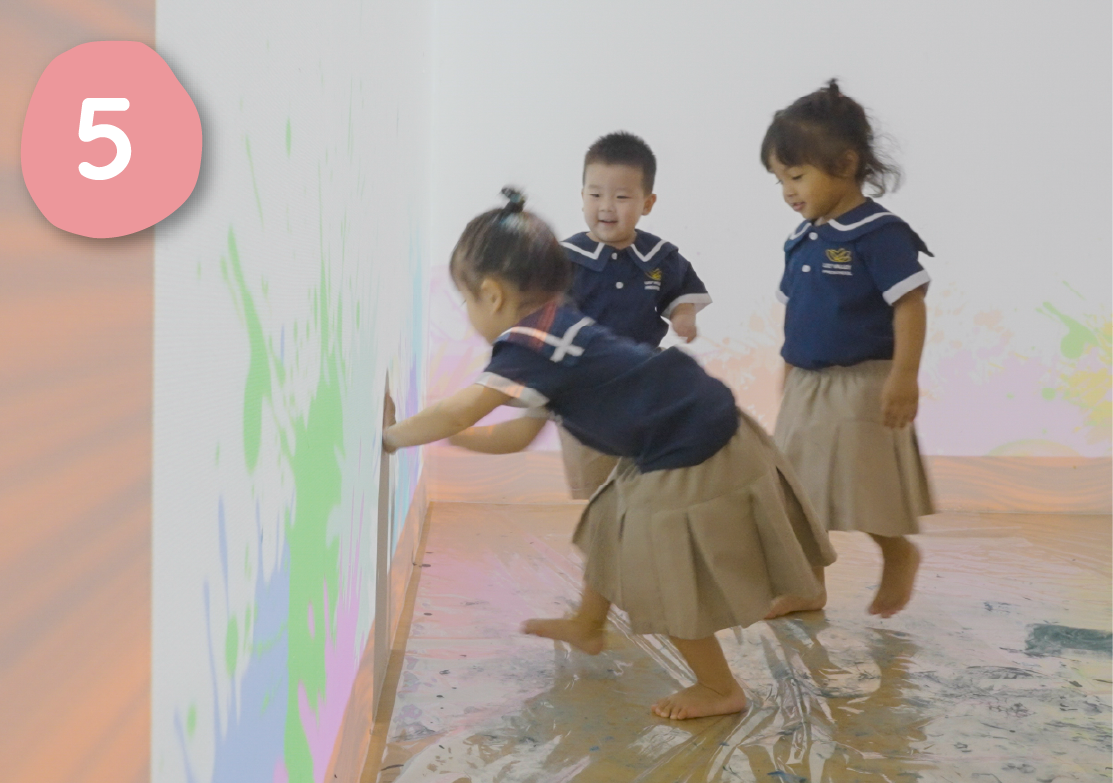
The same thing happens in our Digital Landscape & Tinker Atelier, where they can use microscopes and graphic tablets to explore things like sound and motion. In this way, they even merge sensory discovery with technology.
This hands-on inquiry builds visual literacy and language comprehension. It also ties their discoveries to something easier to remember than a memorised definition from a book. It ties them to experiences!
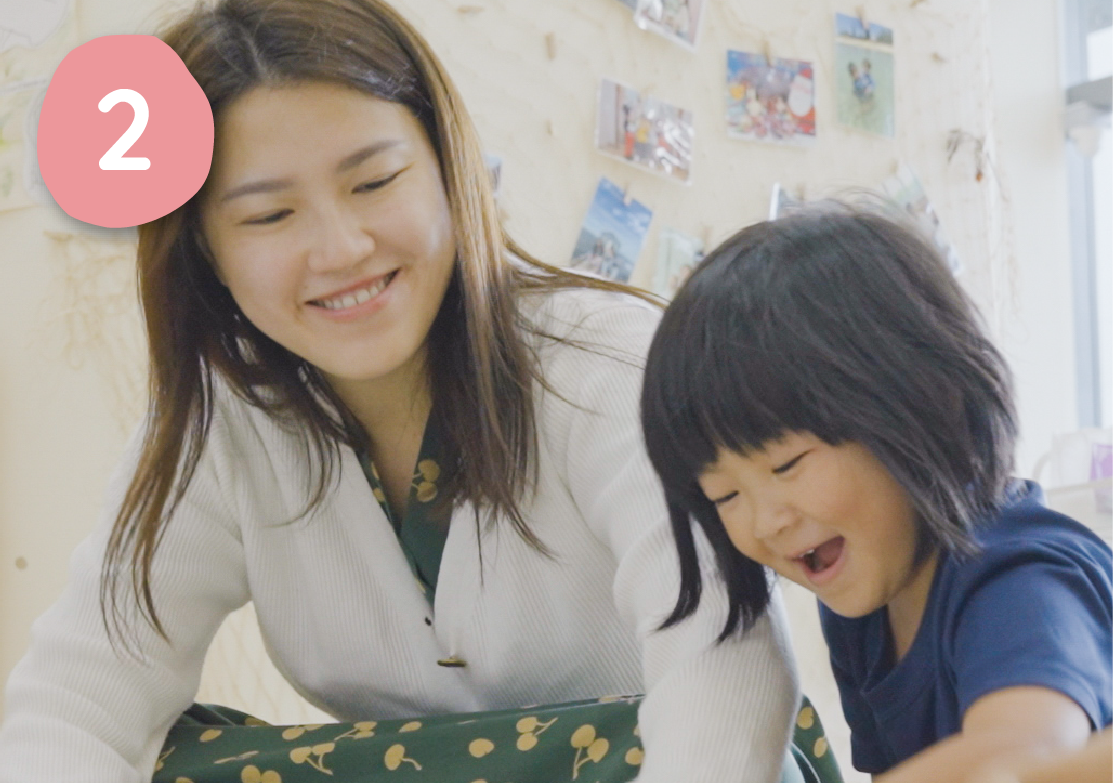
Sensory play offers a natural way for children to process emotions. Activities like scooping, sorting, or tracing patterns provide a soothing rhythm that helps them refocus and self-regulate.
This is due to the rhythmic, hands-on nature of sensory play. It allows children to release tension even when their feelings are stirred up, in much the same way meditative movements can support mindfulness.
In this way, it also supports social-emotional growth. Children can gain the time and space they need to build patience, emotional resilience, and self-awareness through it. These are traits they will need not just for school but through the rest of their lives.
Provocation play develops more than intellectual curiosity by helping to shape confident, empathetic, and independent learners.
Through shared discovery, children learn to listen to peers, negotiate ideas, and value multiple perspectives. This can help with strengthening their emotional and social intelligence.
Provocation play can also help them gain resilience: when experiments don’t work, they learn to try again, refining both logic and perseverance.
At Lily Valley, these everyday experiences help children grow into curious and resilient thinkers who are ready for the challenges of primary school and beyond.
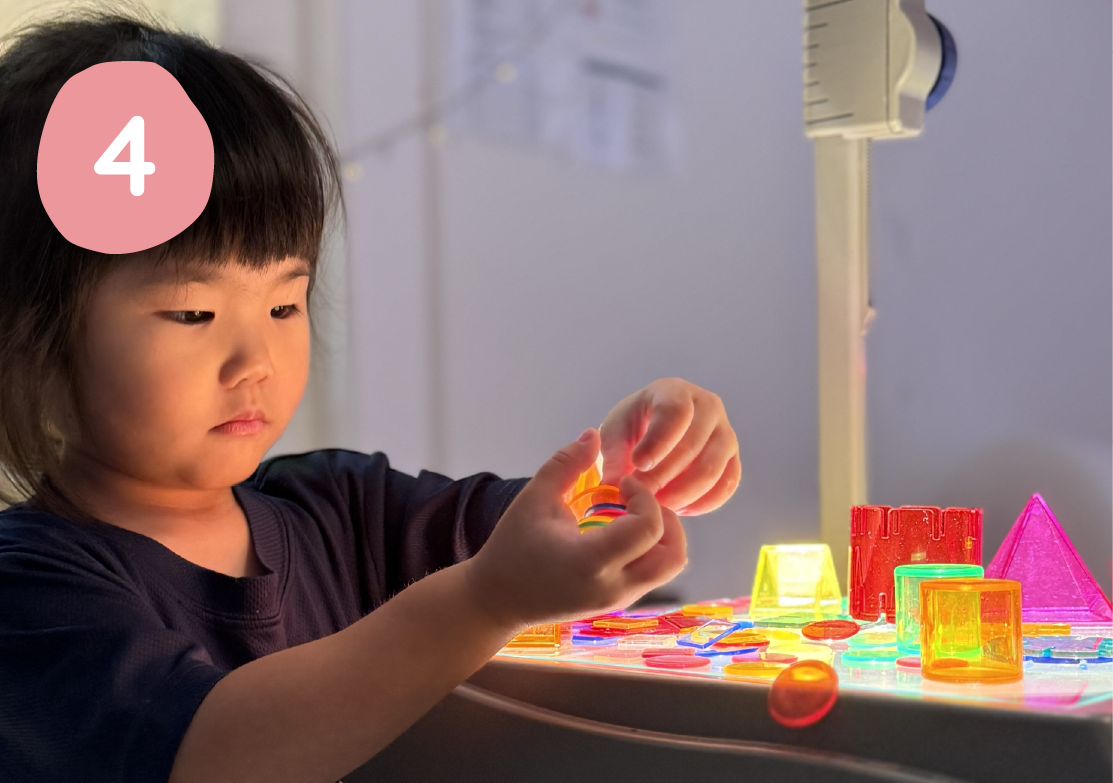
Sensory play empowers children to experiment freely and express ideas without fear of being wrong. It taps into their natural curiosities and creativity.
This can engage both logic and imagination, building neural connections between observation and innovation. We see it often at Lily Valley through our Digital & Tinker Atelier as well as our Light Atelier.
In the former, technology meets artistry as children combine sound, light, and motion for unique digital compositions. In the latter, they investigate colour and shadows to create their own visual tales.
Sensory play doesn’t teach creativity – it awakens it. By exploring textures, light, and sound, children turn curiosity into creation!
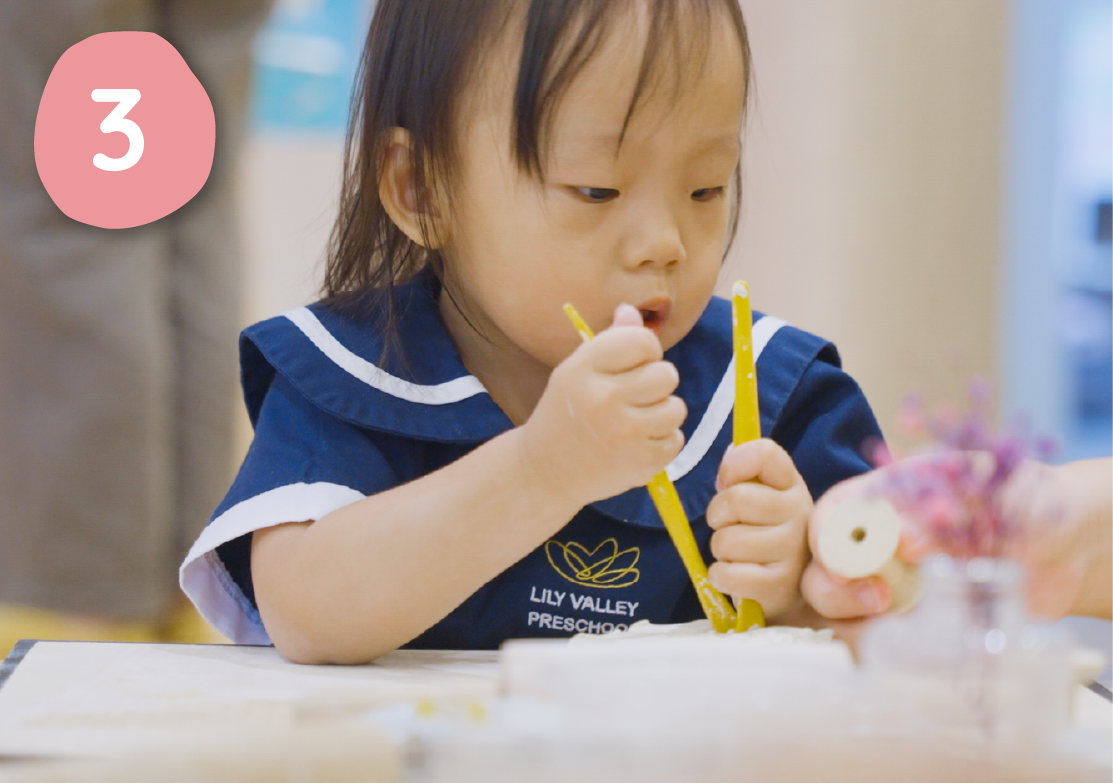
Sensory play naturally encourages teamwork and communication. As children share materials and work together, they learn empathy, negotiation and teamwork.
In our Kitchen Food Atelier, for example, they can discover how to work together to prepare nutritious meals. They also learn about the origins of produce and indulge in food sensory play. All while learning cooking methods and food science with our school chef!
They also learn collective care and stewardship in our Indoor Edible Garden. There, they plant, water, and harvest together.
The collaborative elements of their play help them hone social skills and emotional intelligence in group settings, which are key competencies for primary school.
Sensory play is clearly more than a preschool activity. It’s an effective way for children to explore the world through the wonders of touch, light, sound, and more.
At Lily Valley, sensory experiences are woven into everyday learning through our specialised ateliers as a part of our play-based learning approach.
If you’d like to learn more about how we can support your child’s growth with this approach, reach out to us or schedule a school tour to see our special ateliers for yourself. Book an appointment now!