How Provocations in the Reggio Emilia Approach Build Thinking and Creativity
Play-Based Approach
Last updated on 13 March 2026
 百合谷幼儿园
Play-Based Approach
Last updated on 13 March 2026
瑞吉欧(Reggio Emilia)教育法
Last updated on 13 March 2026
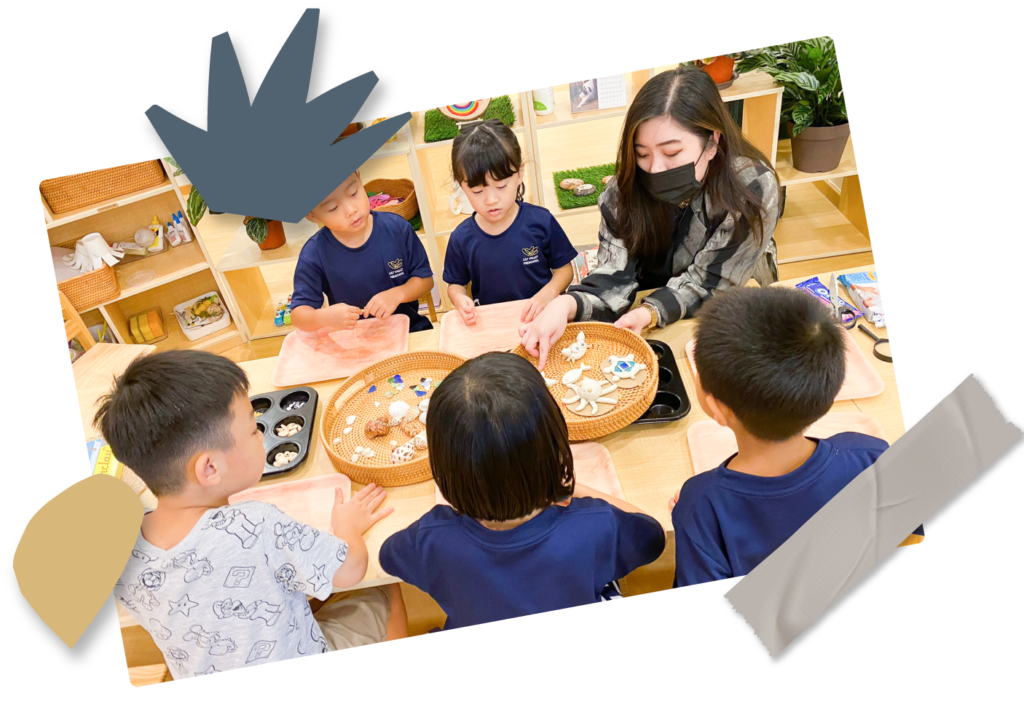
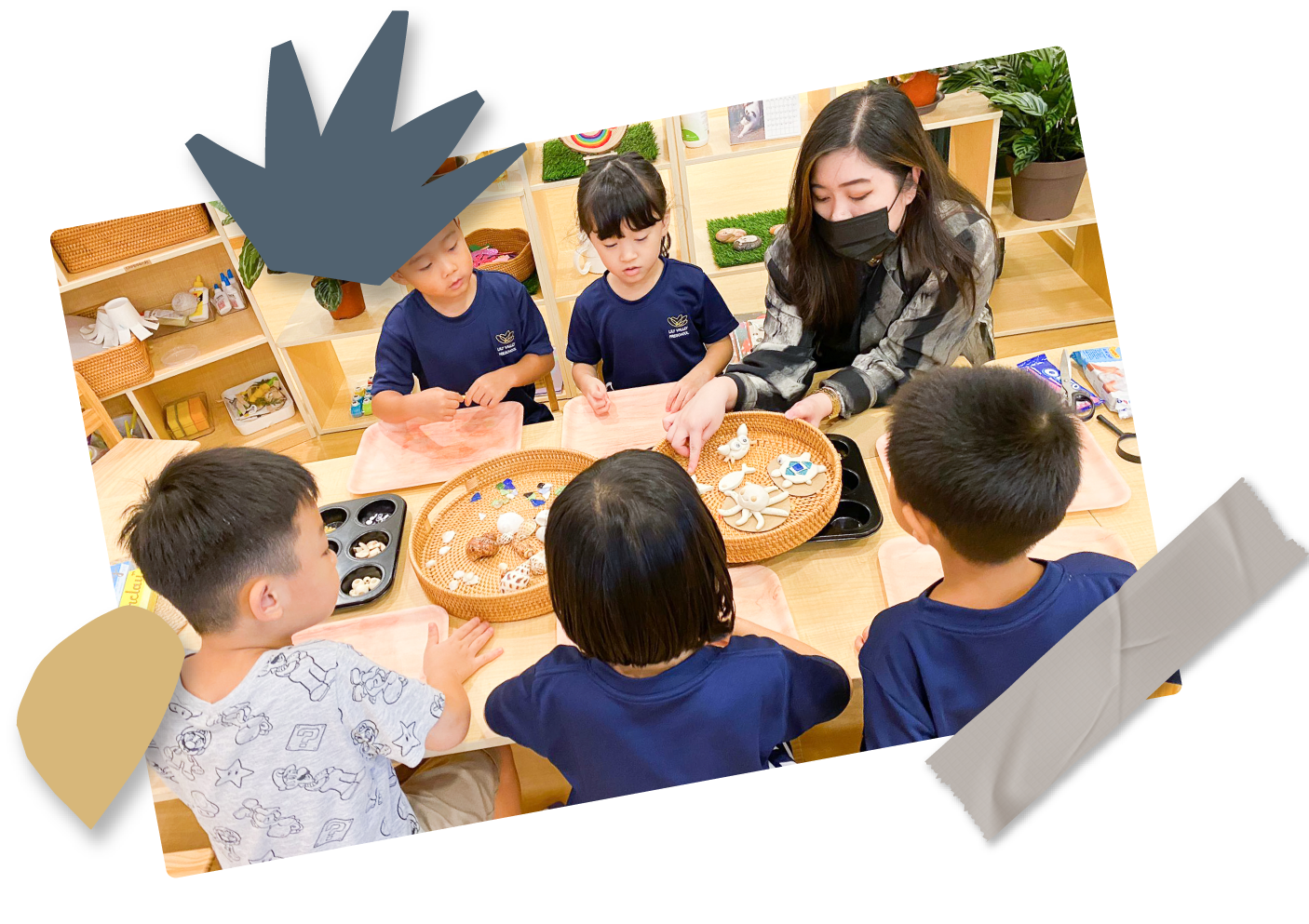
Picture a spacious, warm classroom with quiet yet happy children. A tray of seashells and magnifiers sits beside a mirror.
One child taps two shells together and whispers, “It sounds like the sea.”
Another sketches spiral patterns, while a third carefully arranges shells by texture.
No instructions, no preset activity. Just curiosity unfolding.
This is a provocation – a powerful tool in the Reggio Emilia learning approach. A provocation is designed to spark questions, encourage exploration, and invite children to think deeply.
Unlike traditional activities that follow fixed outcomes, provocations open the door to child-led inquiry, creativity, and flexible thinking. Read on as we explore this important aspect of the Reggio Emilia pedagogy.

A provocation is an intentional setup of materials, images, questions, or experiences designed to provoke thought, dialogue, exploration, or problem-solving.
Provocations are not tasks or assessments. There is no right or wrong way to respond to them.
Instead, they are carefully planned to stimulate curiosity, build connections, and encourage meaningful engagement with ideas and materials.
Provocations differ from typical preschool activities because they remain open to multiple possibilities, pathways, and outcomes.
There are no templates, teacher demonstrations, predefined results, or standardised end products.
Here are a few examples of how provocations may unfold:
Provocations are central to the Reggio Emilia learning approach because they activate a child’s curiosity and sense of agency.
We see this regularly in our ateliers at Lily Valley Preschool. Children pursue all sorts of ideas with different media and materials, and in doing so, learn new things all the time!
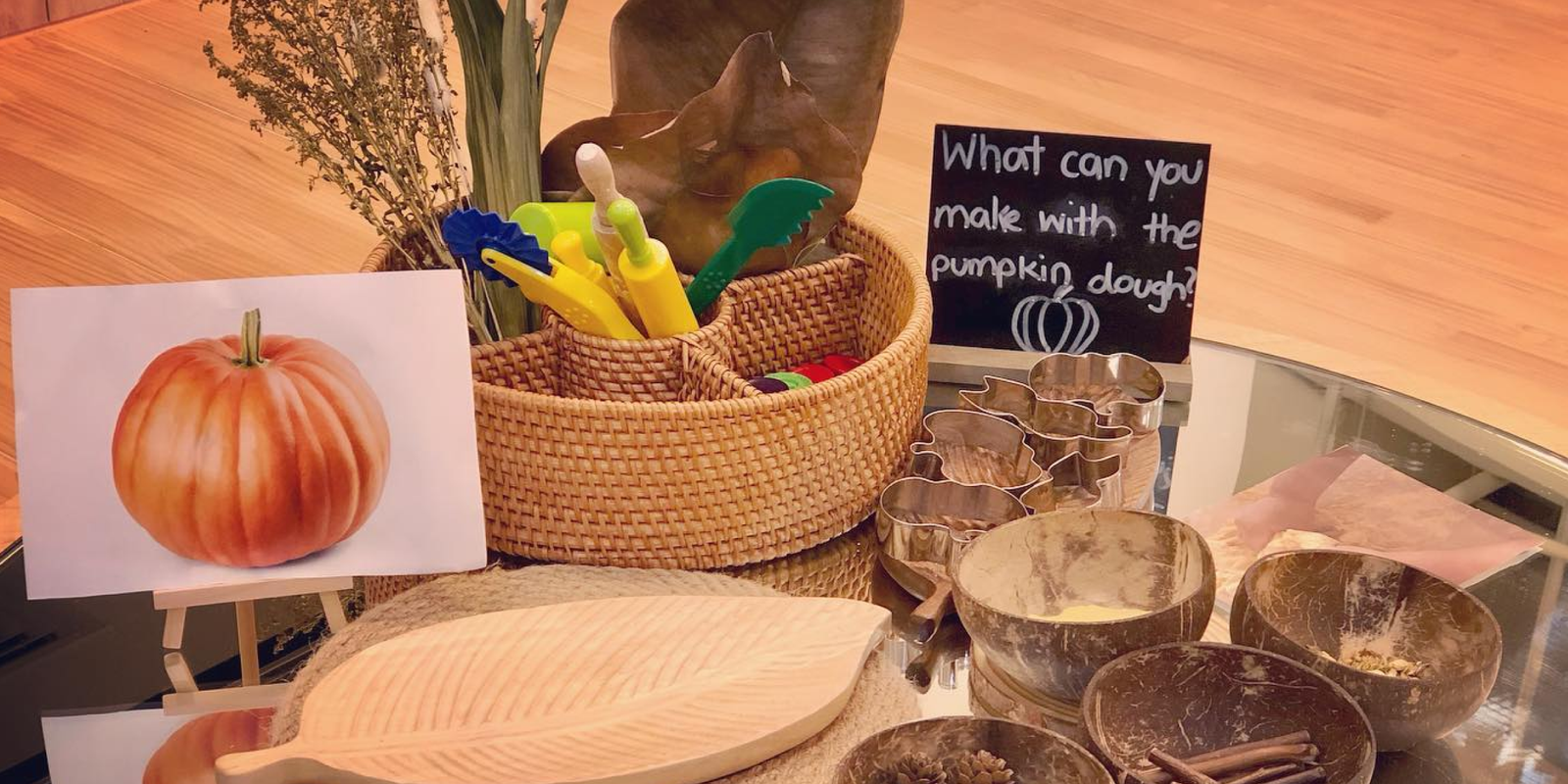
In Reggio Emilia, children are seen as active learners with their own hypotheses. This creativity leads to new ideas, concepts, and theories. Provocations invite them to test, revise and expand these ideas.
Children make discoveries through situations that feel real and relevant, not abstract. Provocations contextualise information and discovery, giving it deeper significance.
Children express ideas through drawing, constructing, storytelling, movement, sound, and more. These are the hundred languages of learning, which provocations support.
Instead of teachers giving information, children construct knowledge through exploration. This helps refocus education on the child’s needs and preferences.
Because the child chooses how to engage, learning becomes self-driven rather than instructed. This makes it more meaningful to the child.

Children remember steps, revisit theories, and build on previous discoveries through provocations. These experiences contribute to cognitive growth by strengthening working memory, attention control, and cognitive flexibility.
For example, we see children at Lily Valley constantly improving the constructions they form out of blocks and building materials. They do so by recalling what worked in previous builds and applying those insights to new provocations.
Provocations do not impose constraints. This encourages children to think laterally, innovate, and reimagine everyday objects with ease.
Over time, this fosters strong creative problem-solving skills. We see this frequently at our own ateliers, when children run into new challenges with their projects.
Because they’re accustomed to thinking outside the box, we rarely see them frustrated for long. The encouragement to explore paths allows them a flexible outlook that’s beneficial in many situations.
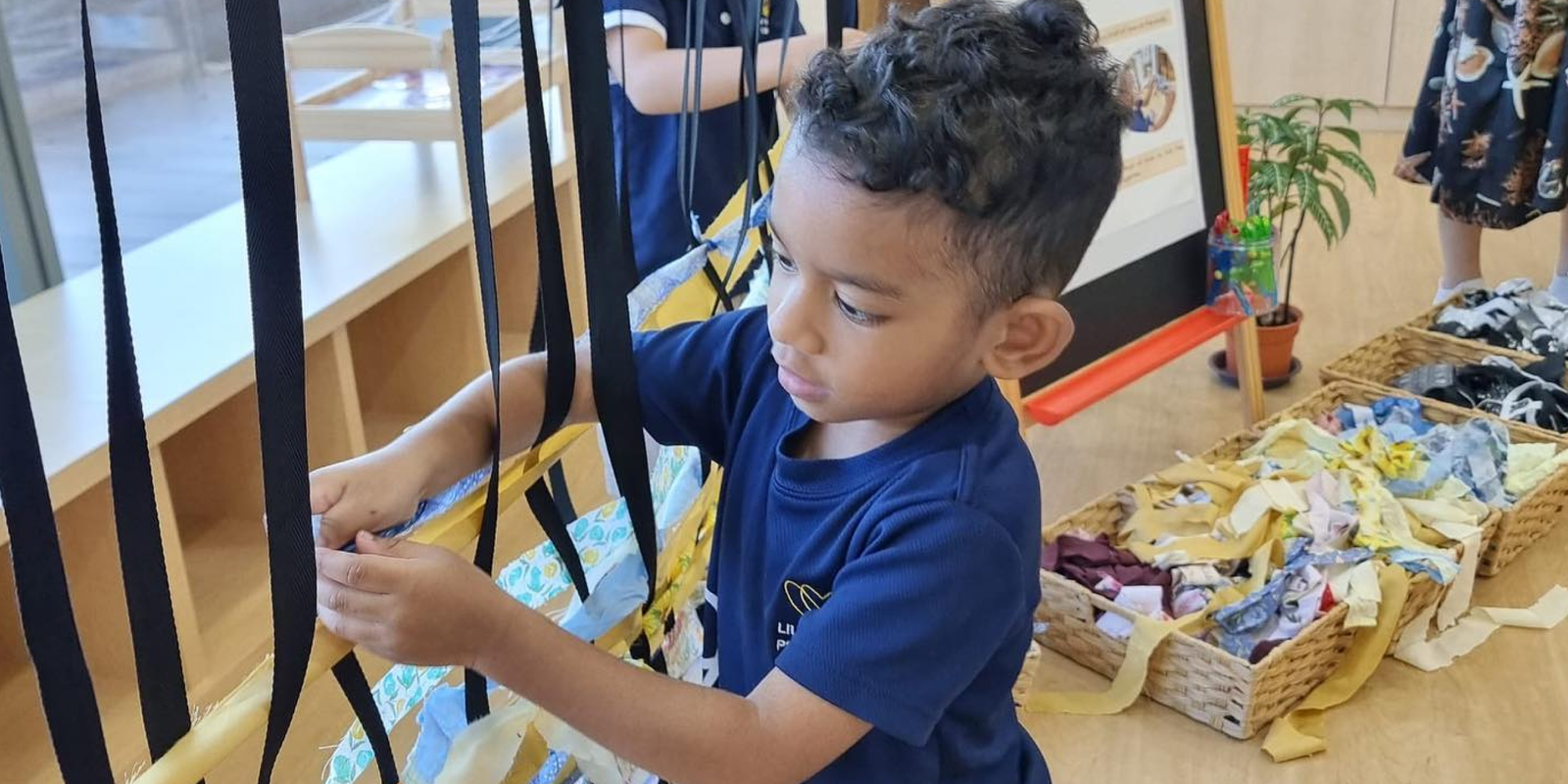
Children learn two important things with provocations:
This builds intrinsic motivation, resilience, and persistence even in the face of obstacles.
At Lily Valley, we pair this with an approach that treats every inquiry or project as valuable. Even when it doesn’t work, as the saying goes, it reveals another way of not doing it!
Shared provocations create opportunities for a lot of social skill development. Negotiation, turn-taking, perspective sharing, and collaborative meaning-making often emerge in these situations.
Children learn empathy and deepen their socio-emotional intelligence as they listen to others’ ideas.
Through provocations, children improve their language skills. They learn how to describe observations, intentions, comparisons, and emotions.
This strengthens early literacy and communication skills in natural ways.
At Lily Valley Preschool, we follow several general guidelines in putting together provocations.
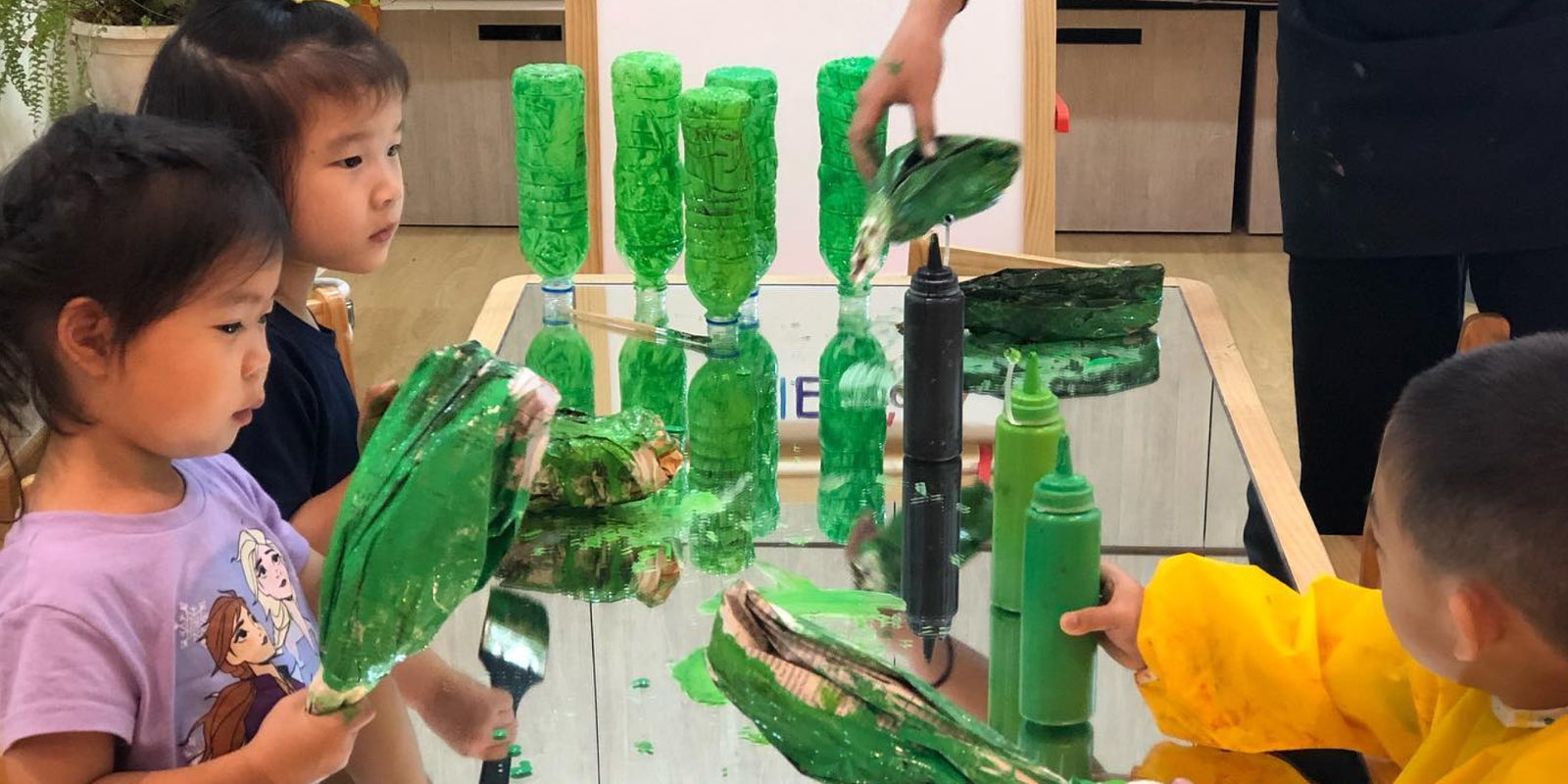
Teachers choose materials based on children’s interests and questions, classroom observations, and ongoing inquiry threads.
This heightens their significance to the children and likelihood of attracting the learners’ attention.
Materials are displayed accessibly in our spaces. The setup itself invites interactions and curiosity at every corner: mirrors, elevated platforms, and light sources are thoughtfully integrated throughout the environment.
Teachers may ask children questions such as “What do you notice?” or “What else could this be used for?”
Such questions help teachers facilitate inquiry journeys that encourage higher-order thinking skills, rather than giving a fixed or templated answer that promotes rigid thinking and rote memorisation.
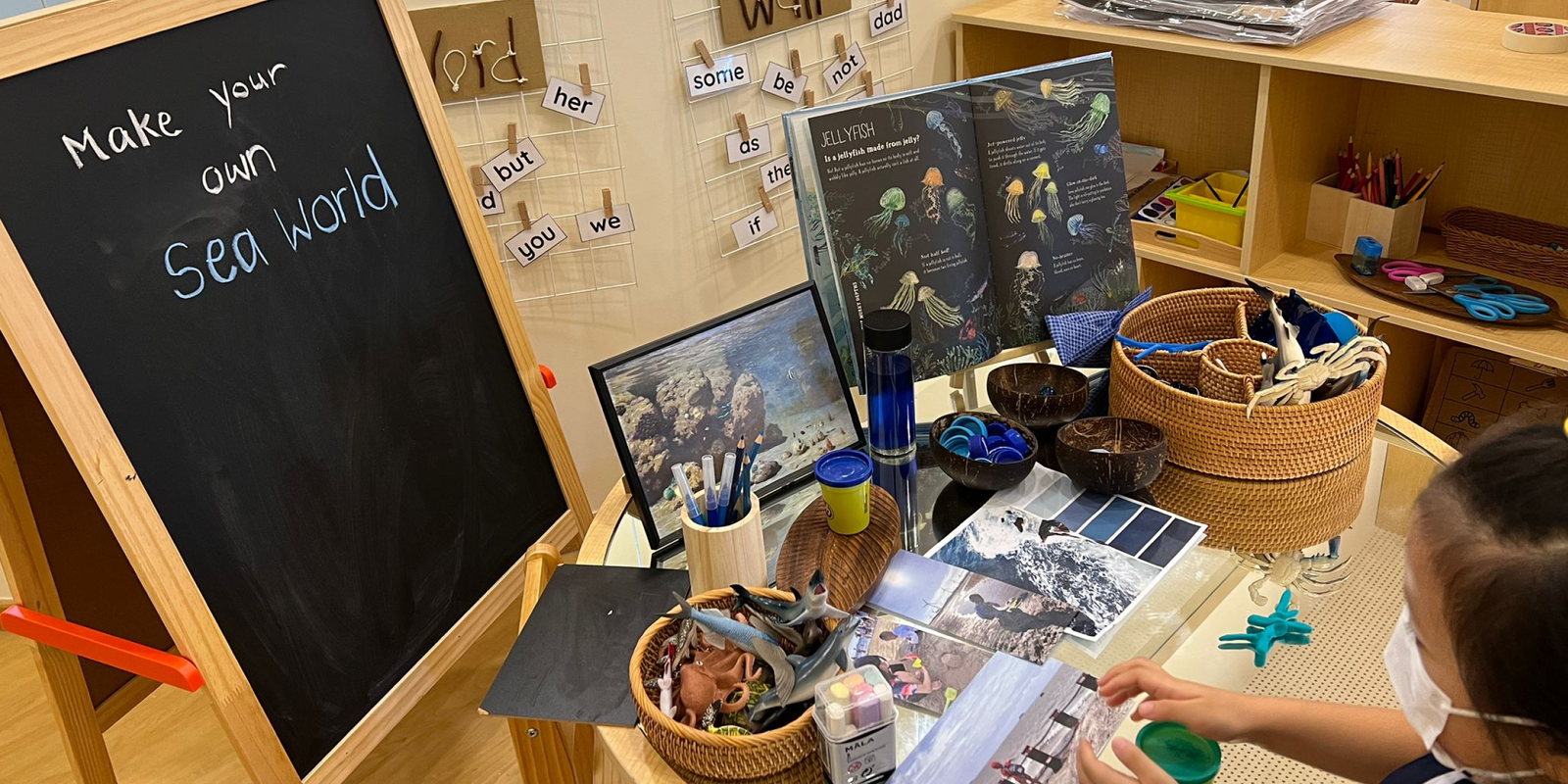
Documentation by the teachers of the children’s experiments and projects is vital. This documentation informs the next steps in supporting each child’s growth.
Teachers observe:
New provocations are introduced based on these observations, keeping the inquiry dynamic. This may lead to integration with ongoing project work, as every provocation can launch a new project, deepen an existing one, or transition learning between themes.
Provocations help children think, not just perform tasks. They nurture independent, reflective, imaginative young learners.
Many of the skills developed align with widely recognised early childhood education goals. This is why Lily Valley uses provocations daily to cultivate confident, capable learners.
Curious about how provocations shape daily learning at Lily Valley? Book a school tour to see our Reggio Emilia-inspired environments in action and discover how child-led inquiry creates confident, capable, and expressive young learners.