How Reggio-Inspired Ateliers Cultivate Curious, Confident Learners
Play-Based Approach
Last updated on 2 March 2026
 百合谷幼儿园
Play-Based Approach
Last updated on 2 March 2026
瑞吉欧(Reggio Emilia)教育法
Last updated on 2 March 2026
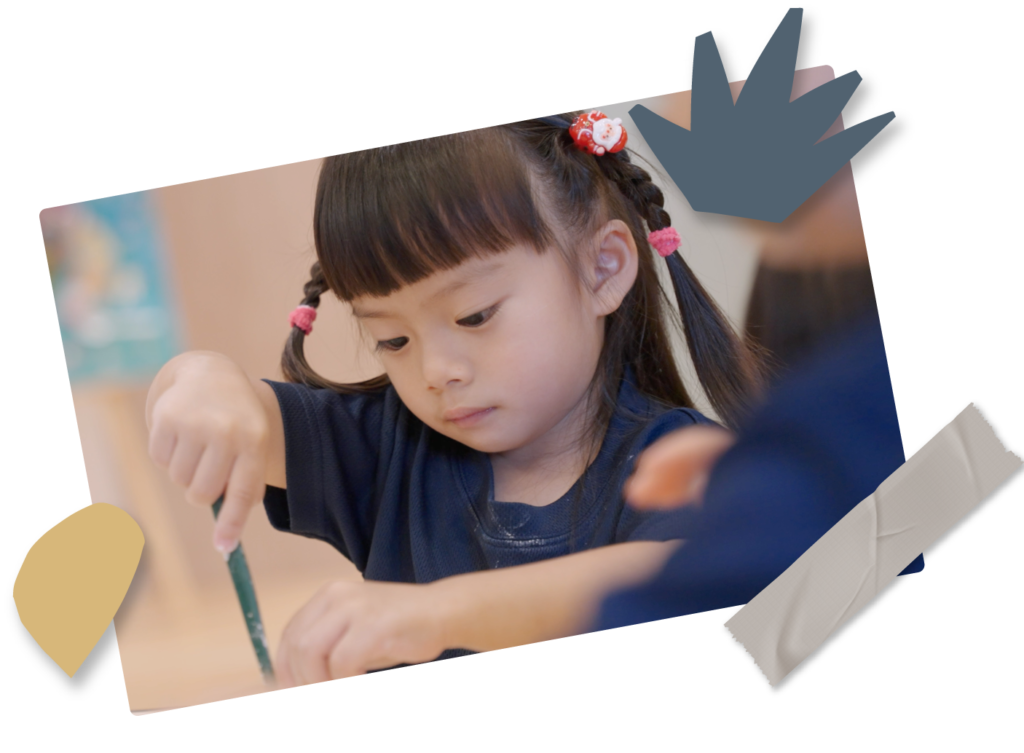
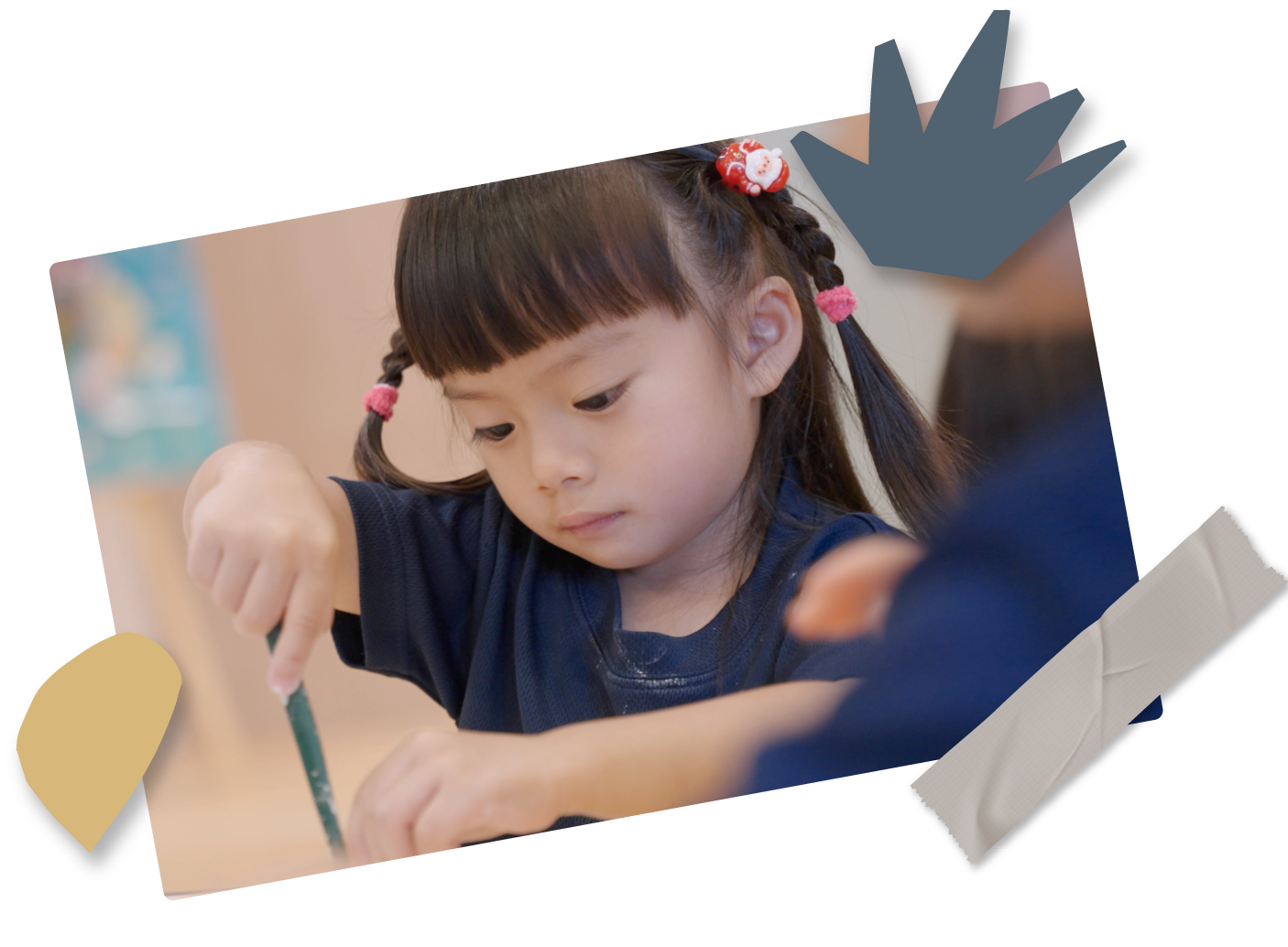
Imagine the scene: a bright and naturally lit room filled with jars of watercolour paint, and children swirling colour onto a plastic transparency sheet.
The children blend the colours with fascination, noticing how they mix differently on plastic compared to paper. Meanwhile, another group arranges leaves on a light panel and notes the leaves’ veins glowing like tiny roads.
This is not just a rare art session. It reflects everyday learning at one of our specialised ateliers at Lily Valley Preschool, inspired by the Reggio Emilia philosophy.
Ateliers are central to Reggio Emilia-inspired approaches to early childhood education. In these approaches, materials become tools for thinking, investigating, creating and expressing complex ideas. They unlock a more engaging, exciting way to learn.
The atelier in Reggio Emilia is a dedicated creative research studio filled with open-ended materials. These materials support the “hundred languages of children”, referring to the many ways children learn, think, and express themselves.
Educators design experiences in these ateliers to encourage exploration, observation, and deeper thinking.
The materials provided in them are not intended for predetermined craft-making or templates. Instead, they invite investigation, hypothesis, and meaning-making.
This distinguishes atelier experiences from a typical art class. In traditional art lessons, teachers demonstrate steps to produce a specific outcome, which children are expected to follow.
In Reggio Emilia ateliers, the children determine the steps. They make discoveries and meaning on their own, while teachers take on a supportive role, guiding inquiry rather than directing outcomes.
In the Reggio Emilia approach, the environment is often described as the “third teacher”. Ateliers function as specialised learning environments that actively shape children’s thinking.
The atelier shapes and supports children’s thinking through intentional elements such as design, light, textures, and accessible materials.
It offers a space for child-led inquiry where the learners themselves choose what to use, how to use it, and even why.
These spaces also support collaborative meaning-making. Children work together, negotiate concepts, and express ideas in a variety of ways or media.
At the same time, teachers engage in documentation. They capture children’s processes through photographs, transcripts, sketches and artefacts.
This documentation helps educators understand the thinking behind children’s projects, rather than focusing only on final outcomes.
As a Reggio Emilia preschool, Lily Valley sees ateliers as part of our children’s everyday play-based learning.
Ateliers are integrated into daily routines with us, rather than being limited to occasional art sessions or isolated “free-play” periods. Teachers extend classroom inquiries through the ateliers, where children can make use of intentionally curated and multi-modal materials.
Our teachers then record the inquiries in documentation panels that show children’s processes, reflections, and evolving theories. They follow as projects evolve over days or weeks.
The result is deeper thinking and sustained inquiry, rather than rushed outcomes, leading to richer and more meaningful learning experiences.
Over time, many inquiries and long-term projects have taken place within our ateliers. Below are just a few of the most interesting ways children have used them to further their learning.
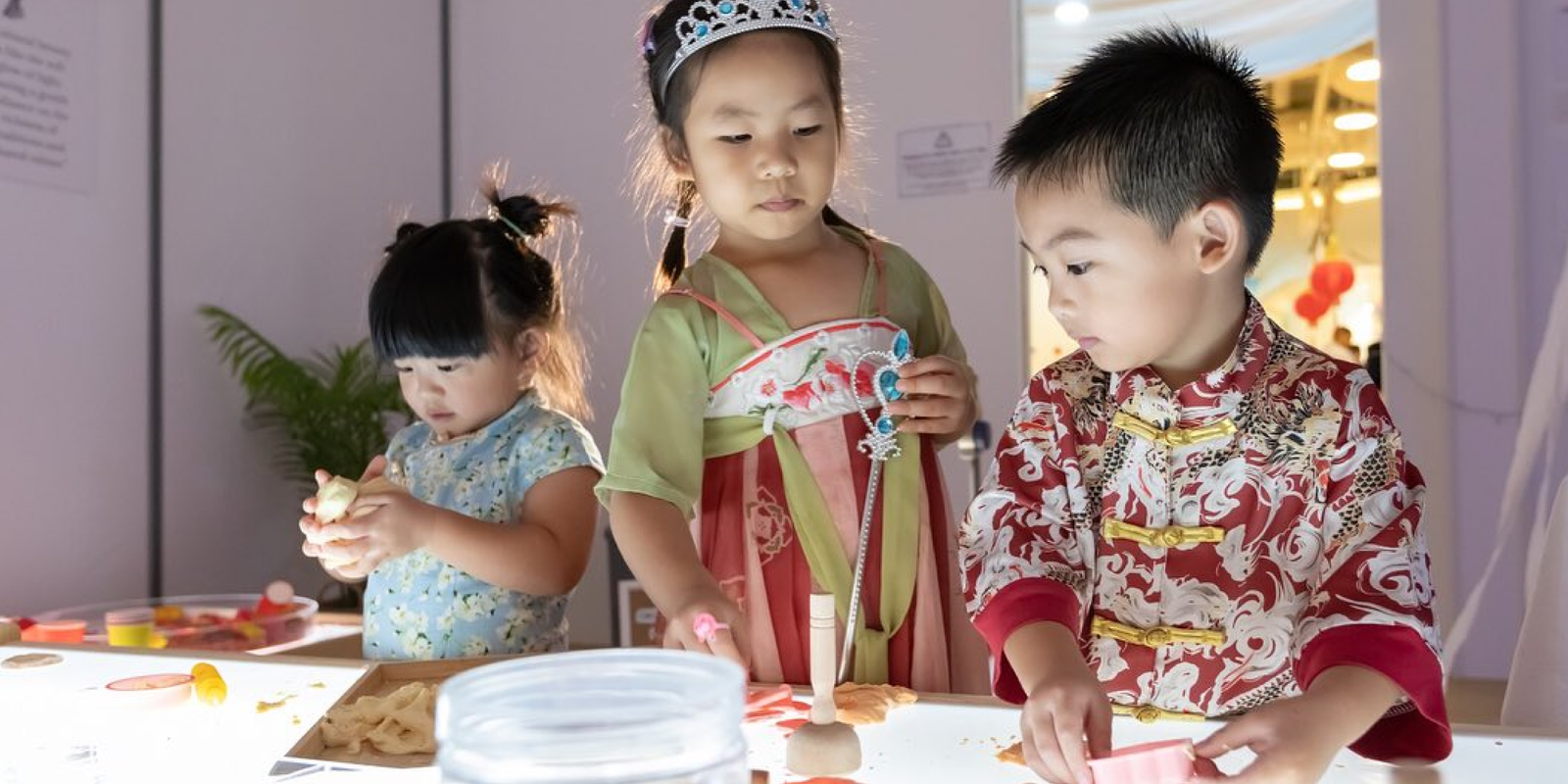
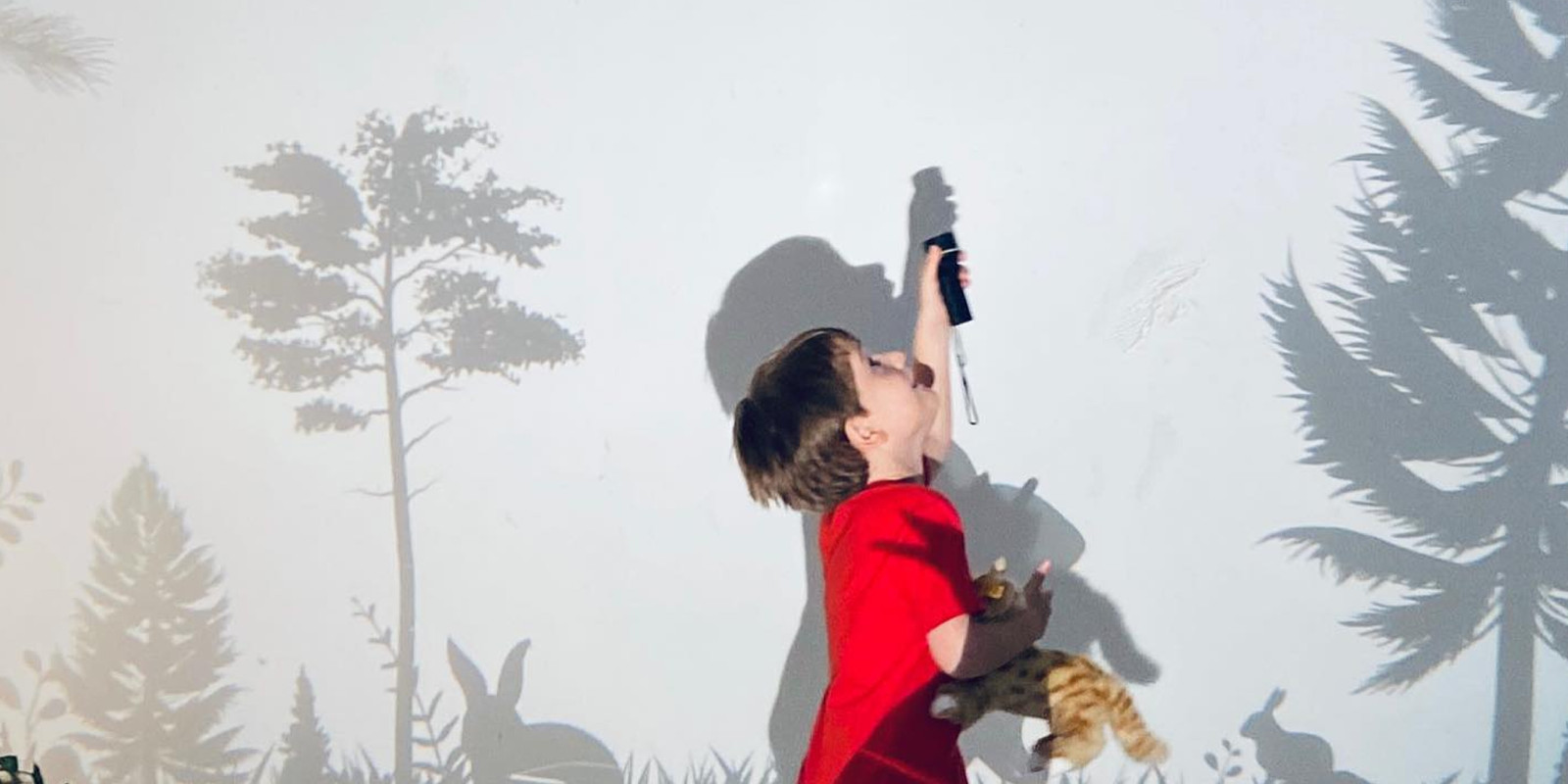
Children explore torches, mirrors, coloured lenses, and light tables to investigate different concepts, including:
We’ve observed learning developments in the following areas:
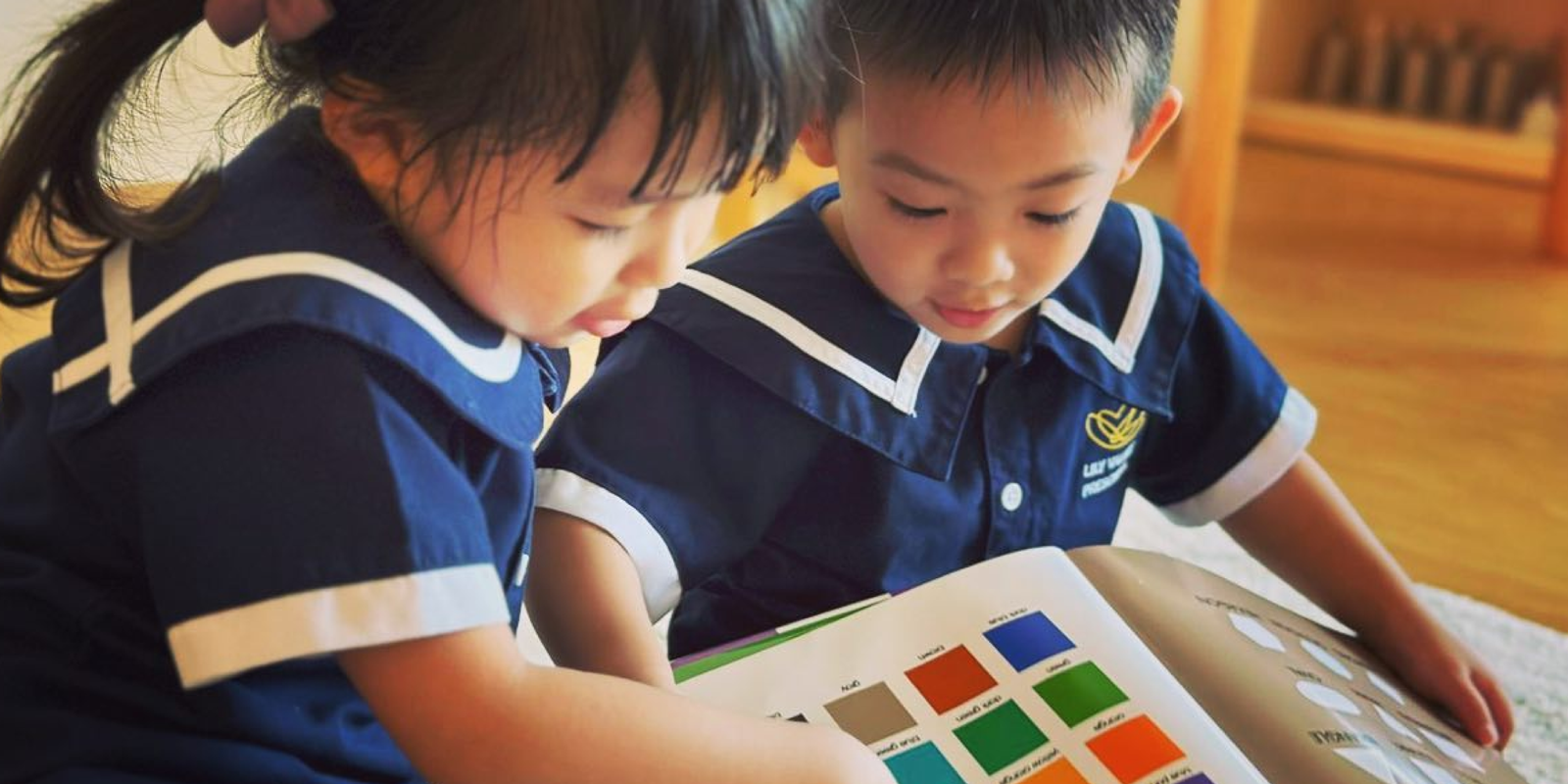
Children often experiment with pigments, inks, acrylics, pastels, and watercolours in our art atelier. Our teachers prompt discovery in these experiments with questions like “What happens when blue meets yellow?” and “How does water change the texture of this paint?”
Early childhood education research has linked artistic exploration with the development of visual-spatial thinking. Such experiences also support emergent literacy, particularly through symbolic representation.
In addition, such experiments may improve children’s self-expression as well as emotional regulation through sensory art.
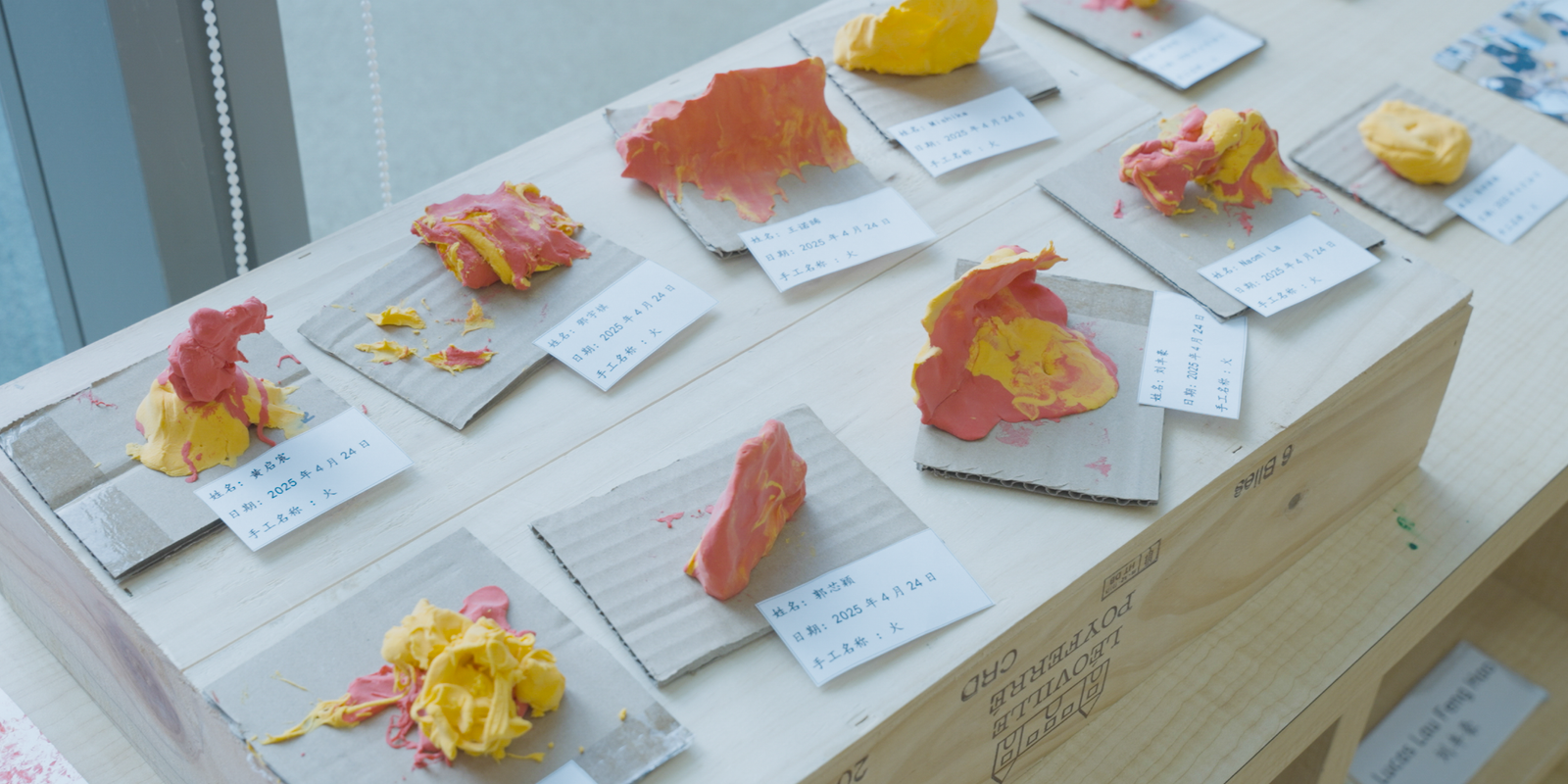
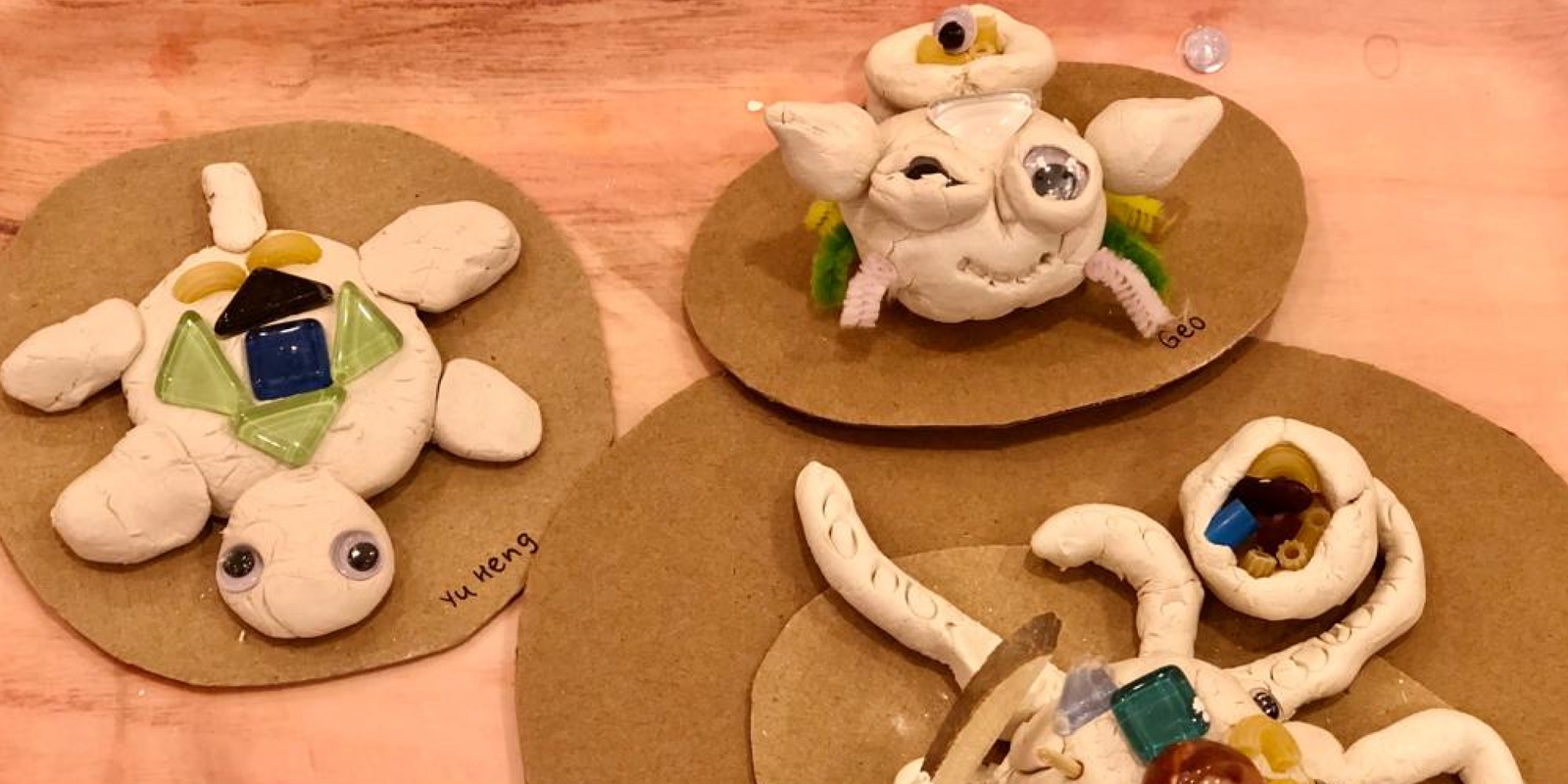
We also see our children work together often on various studio projects. They create cardboard constructions together, for example, or fabric collages.
The skills developed during these cooperative learning scenarios are highly valuable. They include communication, social problem solving, and empathy as they learn to take others’ perspectives.
Ateliers can benefit children in many ways when used to support their early experiences with learning. Here are just a few of the ways they do that.
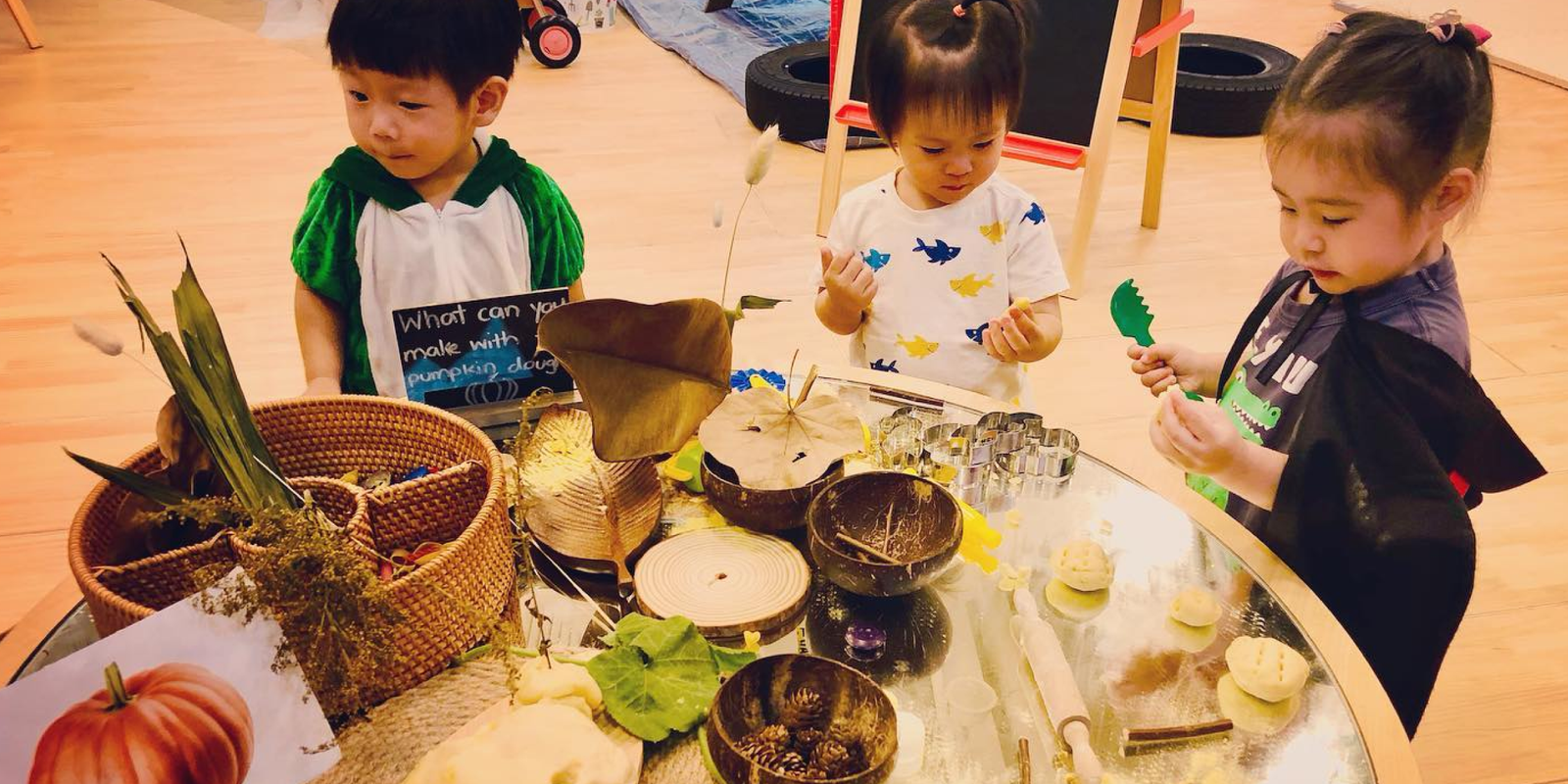
Through open-ended exploration, children learn hypothesis testing, outcome prediction, and how to revise ideas when results differ from expectations.
This aligns strongly with play-based learning, where thinking develops through doing.
For example, when something goes against expectations in play, children learn to try something else to get their desired outcome – whether that’s a ball in a net or a paper plane flying a good distance.
The same thing can be applied to many other problems. Children learn to revise approaches and evaluate hypotheses based on outcomes.
Children discuss materials, describe processes, and explain choices. This develops expressive vocabulary, conversation turn-taking, and confidence in articulating ideas.
Many experiences in ateliers therefore build early literacy foundations and communication skills.
Children discuss materials, describe processes, and explain choices. This develops expressive vocabulary, conversation turn-taking, and confidence in articulating ideas.
Many experiences in ateliers therefore build early literacy foundations and communication skills.
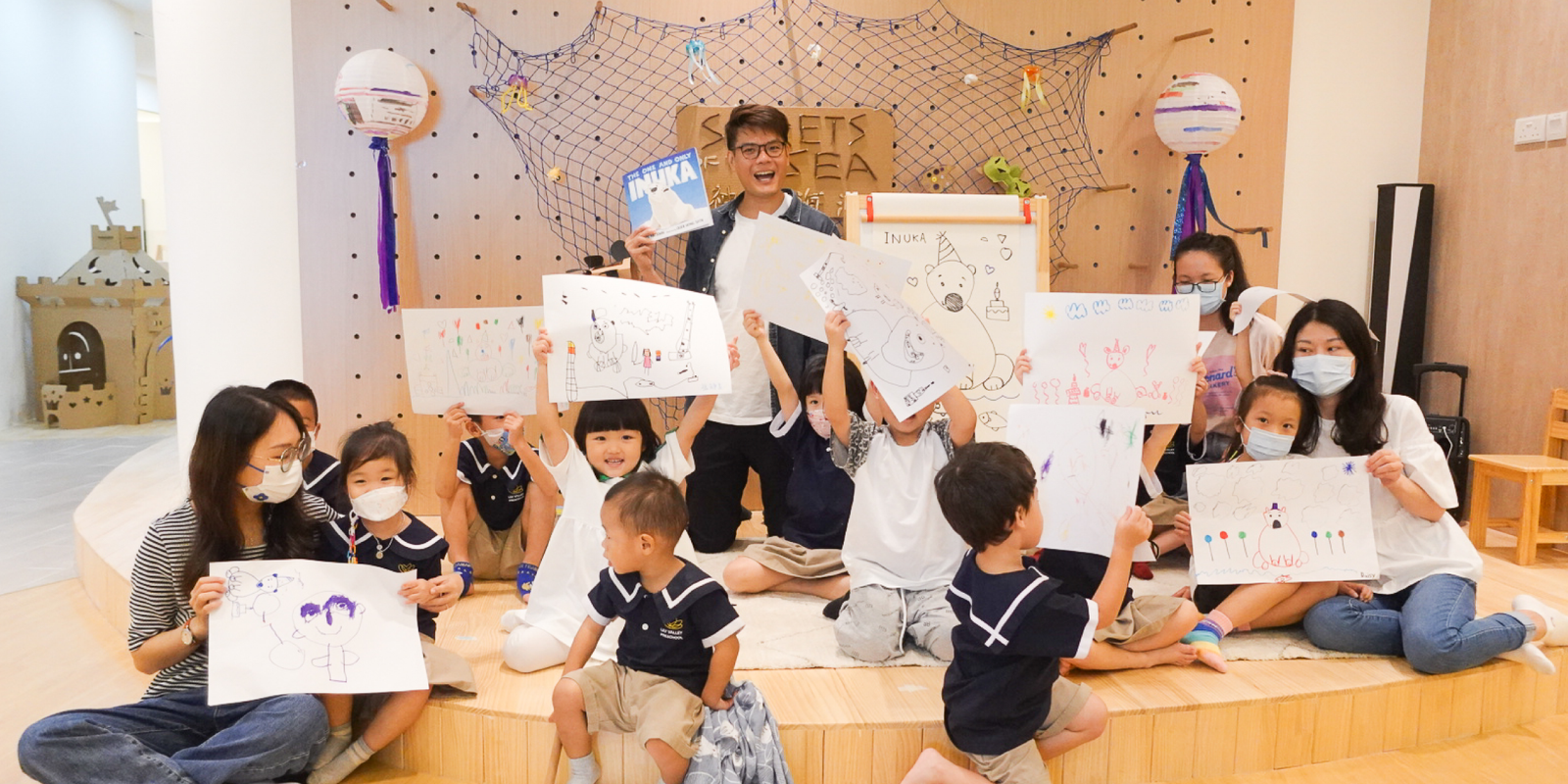
At Lily Valley, we see children work together often on a variety of inquiry projects. These include showcases of Chinese culture and history, stageplays, and even projects about space.
Group projects like these play an important role in children’s development. They help children negotiate, learn to share resources, and respect differences in ideas while working towards shared goals.
These skills mirror what is emphasised in theories of early childhood education around cooperative learning.
Many projects may involve handling tools like scissors, clay tools, paintbrushes, droppers, and pipettes. All of these support fine motor and practical skill development.
They strengthen coordination, precision, and control for growing bodies and hands.
Ateliers exemplify the best of Reggio Emilia’s child-led philosophy. They embody high-quality approaches to early childhood education rooted in exploration, play, and creativity.
When children engage in atelier work, they develop curiosity, confidence, communication skills, resilience, and a lifelong love for learning.
Curious to see how our atelier experiences come alive? Book a school tour at Lily Valley Preschool and discover how our Reggio-inspired environments nurture confident, capable, and joyful learners.