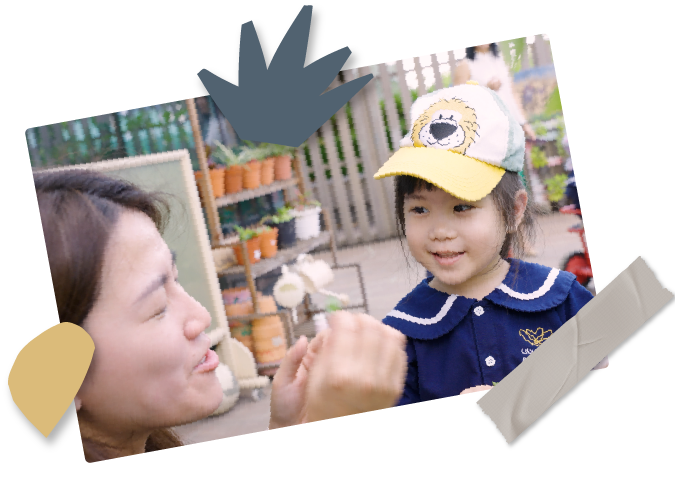
Learning through play: How it works and the benefits for early childhood development
Play-Based Approach
Last updated on 2 Oct 2025
 百合谷幼儿园
Play-Based Approach
Last updated on 2 Oct 2025
Learning through play: How it works and the benefits for early childhood development
Play-Based Approach
Last updated on 2 Oct 2025
Early childhood is a crucial window for your child’s development. This is when the foundations of language, thinking, and social skills are laid.
Play is a vital part of how those foundations are built. While older schools of thought may have separated play from education, many educational approaches now disagree.
Learning through play is now even a core pedagogy endorsed by the MOE’s Nurturing Early Learners framework.
In this article, we’ll cover the benefits of learning through play and how it supports healthy and holistic development in preschoolers.
There are several processes through which play-based learning works. We’ve separated them into key areas of development below.
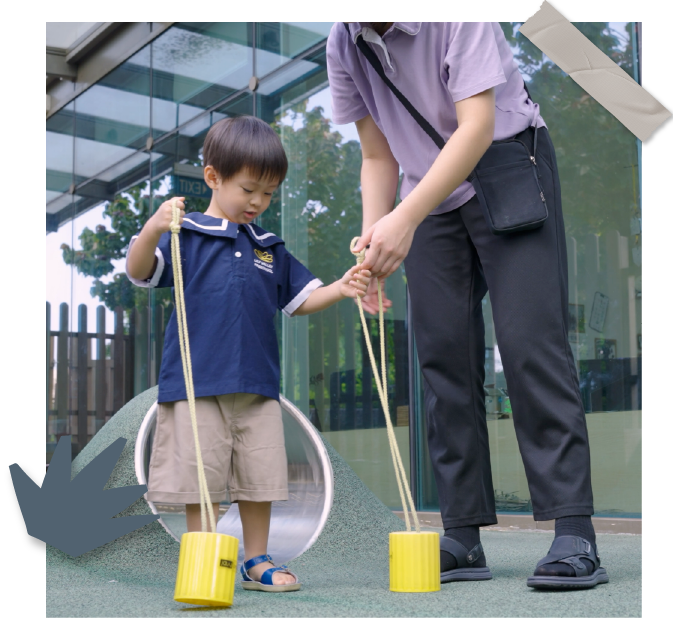
Play activates several areas of the brain at once. For instance, stacking blocks can build spatial awareness, attention spans, and working memory at the same time.
Through this, children can achieve multiple benefits. They strengthen the neural connections underlying various competencies, from memory to problem-solving and self-regulation.
At Lily Valley Preschool, we support many open-ended experiences that allow children to tap into different parts of the brain while exercising creativity.
Our Art Atelier is a perfect example. In it, little ones can design and experiment with materials to boost neural pathways while indulging in hands-on activity.
Children learn through trial and error. Say a child has built a block tower, and it collapses. The child can then learn to adjust the placement of the blocks for balance and to test cause-and-effect.
Such iterative cycles of experimentation build resilience and problem-solving habits for little ones. These are key habits that will serve them even later in their lives!
That’s why we ourselves encourage safe experimentation at Lily Valley. Our many ateliers and sensory corners support such activities daily.
The way we treat mistakes feeds into that, as we see them as part of discovery. This keeps children confident and positive about every opportunity to learn.
Our teachers also observe, document, and nudge thinking with queries instead of spoonfeeding answers. Through this type of guided play-based learning, we help young minds come upon discoveries.
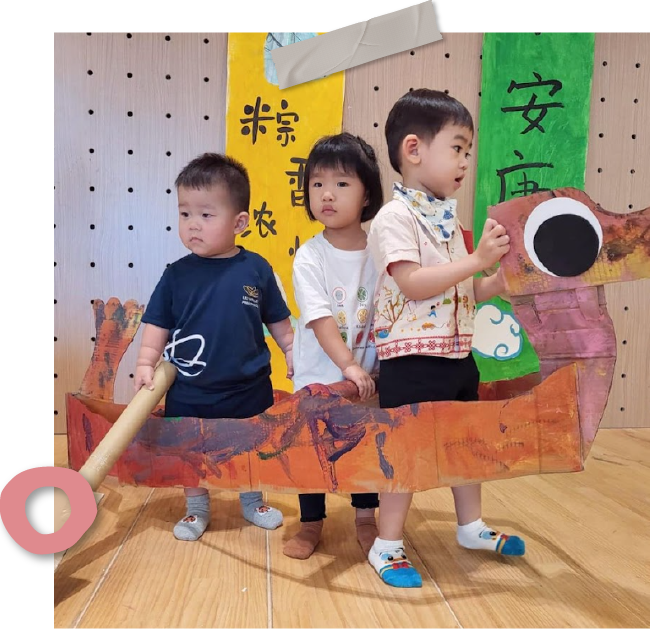
Pretend play is one of the best ways for children to learn. It lets them step into roles others may occupy, e.g. being a doctor, teacher, or even parent!
The beauty of this type of play is that it supports the growth of both empathy and communication. At Lily Valley, we use Speech & Drama to practise skills like storytelling and perspective-taking, for instance.
Through that, our children learn how to step outside of themselves and see others’ perspectives. They also learn how to express ideas, thoughts, positions, and more.
Co-operative games, construction projects, and other collaborative play are crucial for developing social skills. They serve as “practice runs” for various scenarios that may appear later on.
In games that involve others, children can learn how to take turns. They can learn how to negotiate for things they want, and how teamwork can benefit all of them together.
Even disagreements set the stage for learning. Children can find out how to manage emotions, listen to others, and resolve conflict in various ways.
This is why our own curriculum time at Lily Valley is intentionally structured to nurture social activities and bonding in safe and supportive settings. This aligns with the MOE’s emphasis on quality interactions as vehicles for learning in the early years.
Play is more rewarding than rote memorisation to children. Because of that, it sustains attention better and can make the act of learning more meaningful.
This is also why we support child-led discovery through teachers who act as facilitators instead of instructors at Lily Valley Preschool. It helps develop an early appreciation of learning and their own agency in little learners.
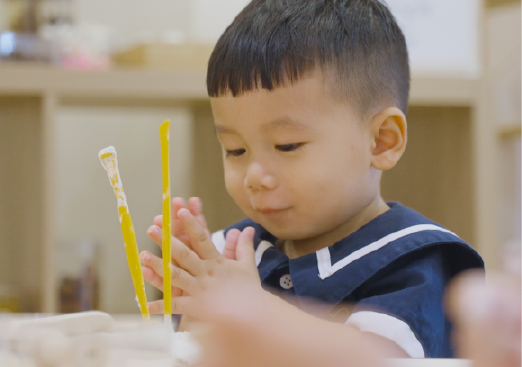
Play strengthens early literacy and numeracy in many ways. Children may count blocks, retell stories, recognise patterns and more.
Meanwhile, open-ended activities develop critical thinking and flexible problem-solving. All of this happens without having to rely on worksheets that can lose children’s attention.
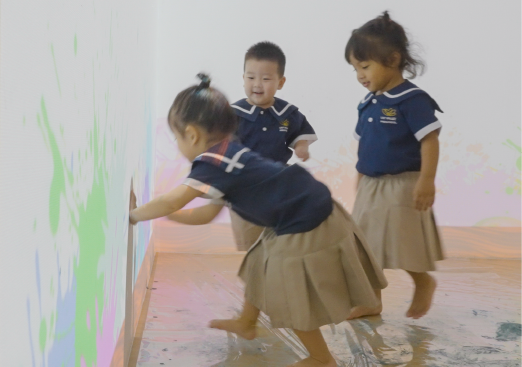
Play teaches empathy, co-operation, and resilience through pretend scenarios that keep children engaged and interested even as they develop these skills.
It also helps children express big feelings and develop self-regulation strategies that support school readiness.
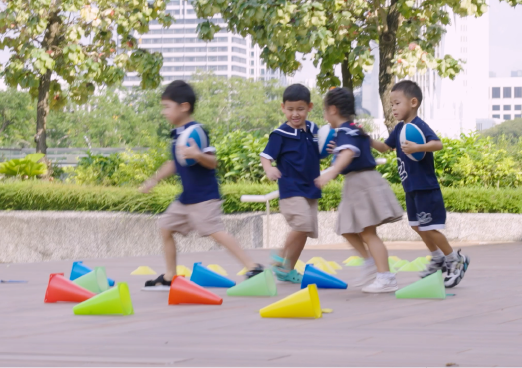
Climbing, running, and balancing outdoors are typical parts of play in preschools like Lily Valley. They build strength, coordination, and gross motor skills that support fitness.
Meanwhile, activities like drawing and painting can help with fine motor skills. These are the same skills needed for more precise activities like writing and self-care.
Our own outdoor zones and ateliers support activities like the ones described above. Instead of tiresome exercise or practice, children can build physical skills through fun.
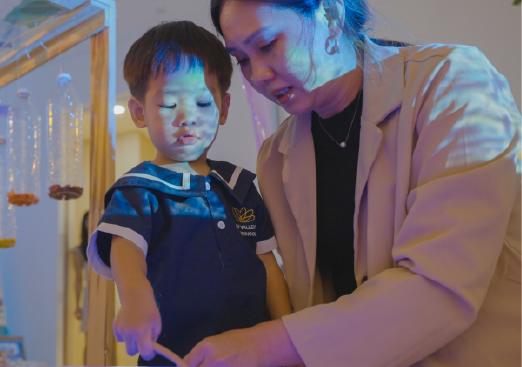
Various types of play naturally tie into the development of communication. Talking to playmates, doing roleplay, storytelling – all of these strengthen self-expression and language.
In our preschool, we further support this through teachers who model rich language and introduce new vocabulary through context. This way, children discover more words naturally instead of through drills.
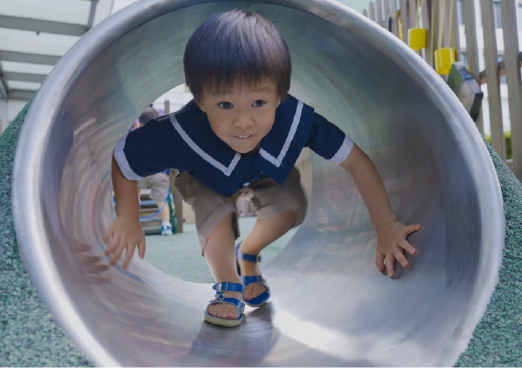
Play nurtures a child’s intrinsic motivation by being satisfying. It associates learning with satisfaction, not pressure.
The result is a child with a lasting disposition to ask questions, seek discoveries, and persist even in the face of challenges.
Learning through play nurtures the whole child – cognitively, emotionally, socially and physically. It’s the heart of early childhood development!
At Lily Valley, all of our learning environments support this type of development, with specialised ateliers and spaces that are designed to nurture creativity, confidence and lifelong curiosity.
Book a school tour with us to see how we do that. You can even explore our ateliers for yourself!