How Outdoor Activities Strengthen Preschoolers’ Physical and Cognitive Development
Outdoor Play and Learning
Last updated on 13 May 2026
 百合谷幼儿园
Outdoor Play and Learning
Last updated on 13 May 2026
Outdoor Play and Learning
Last updated on 13 May 2026
Parents rarely think of asking about outdoor activities for preschoolers when vetting centres. There’s a tendency to focus instead on classroom facilities, and the idea of preschool as an academic launchpad.
In reality, outdoor play can be a crucial part of the preschool puzzle. It has a fundamental role in both physical and cognitive development that can’t be replicated indoors.
In this article, we explore how stepping outside the four walls of a classroom can transform a child’s developmental journey. This will show why nature-based play and structured outdoor time should be among your preschool requirements.
How does outdoor play help a child’s development? The simple answer is that it’s another path for it.
A common misconception parents have is that outdoor time is simply a “recess” from real learning. In truth, outdoor play is actually another tool for learning and development.
Outdoor play experiences can boost brain development, refine physical abilities, and even help regulate a child’s behaviour and focus. Unlike indoor settings, the outdoors also provides a multisensory environment that challenges a child’s senses in unpredictable ways.
There are varied textures, sounds, sights, and even smells to be experienced outdoors. These serve as rich stimuli to developing senses and are often unmatched by indoor activities or toys.
As a result, many of the unique developmental benefits of outdoor play are nearly impossible to replicate in climate-controlled, structured indoor classrooms.
Physical health is the most visible benefit of outdoor play.
Believe it or not, however, the advantages go far deeper than just letting children “burn off energy”. There’s a reason (or several!) that the World Health Organization recommends that preschoolers spend 180 minutes a day on physical activities.
Gross motor skills involve the large muscles of the body and major movements, such as running and jumping. As you may imagine, there are many gross motor skills in outdoor activities for preschoolers.
They can climb play structures and navigate open spaces, for instance. This helps them develop strength and the body control necessary for early physical milestones.
Navigating uneven surfaces like grass or sand can pose a good balance challenge for preschoolers. Outdoor play structures offer the same challenge and also teach children to understand their position in relation to objects.
This constant adjustment develops “proprioception”, which is the body’s ability to sense its own movement and location. Proprioception is how we can walk on gravel pathways and automatically adjust for balance, even on slightly shifting or uneven surfaces.
That makes proprioception vital for a growing child. Over time, it and their enhanced spatial awareness help reduce the risk of falls while improving overall coordination.
Outdoor activity also encourages active movement over sedentary behaviours often associated with indoor screen time. This can lead to better cardiovascular fitness and growth patterns.
Safe exposure to sunlight is also the primary source of Vitamin D, which is crucial for skeletal health. At Lily Valley, we pair outdoor time with lessons on sun safety for children, ensuring they wear protection from the sun and stay hydrated during outdoor sessions.
Indoor activities are typically lower-energy, so children rarely get to test their physical limits with them. Outdoor play offers longer periods of active engagement, which can build a child’s physical stamina better.
Children can also learn how to transition from being highly active to calm and vice versa. At Lily Valley, we plan these activities at specific times to match children’s natural energy cycles for better regulation.
The impact of the outdoors on the young brain is equally significant. Moving learning outside stimulates cognitive functions that help children process information more effectively.
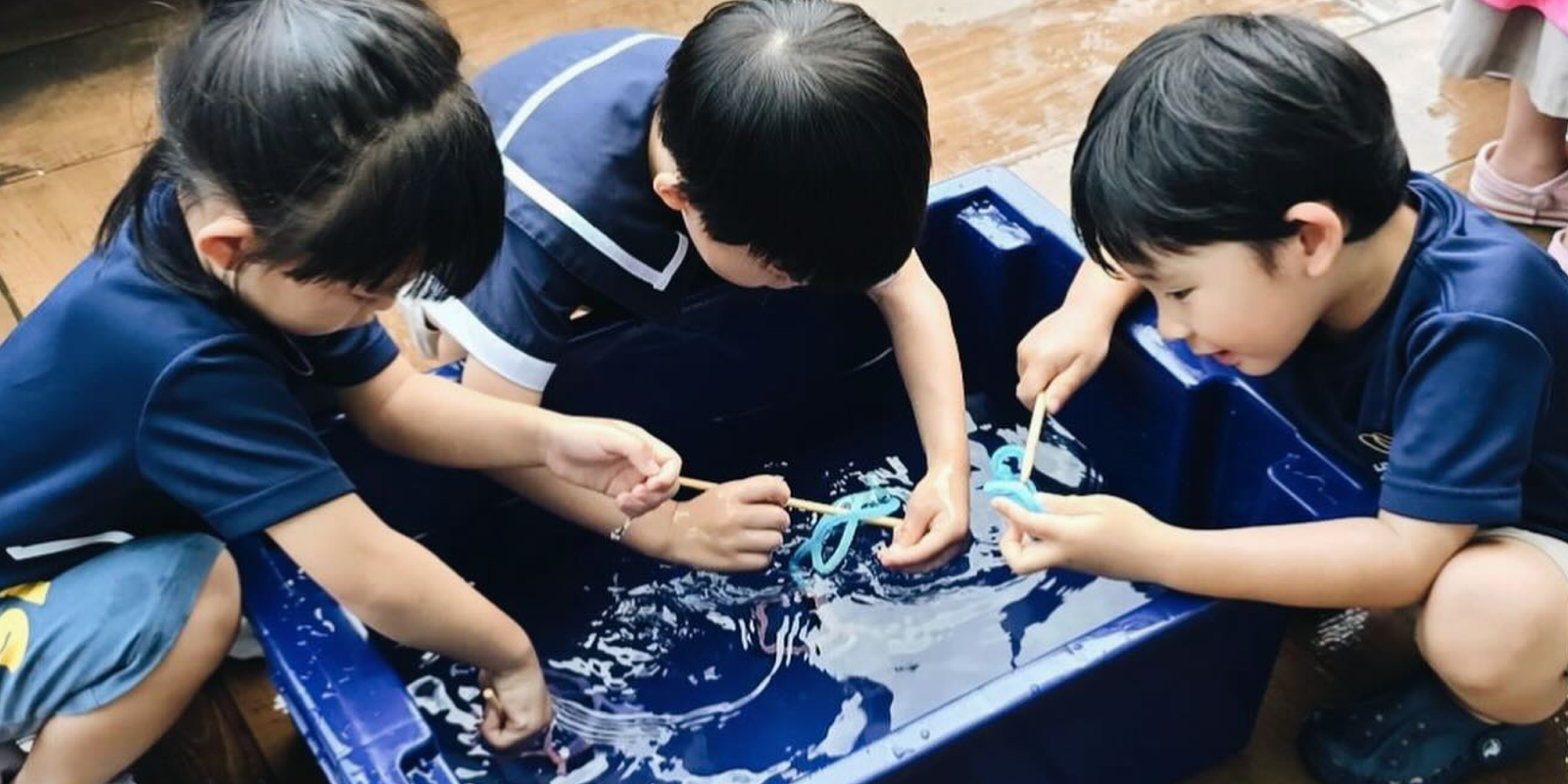
A change in environment from a structured indoor classroom to an open outdoor space can serve as a mental “reset”. This variation in surroundings helps reduce restlessness.
You will often find that children return to indoor lessons with better focus after a period of outdoor exploration. We ourselves strategically schedule outdoor time to ensure children’s mental freshness and engagement throughout the day.
The outdoor environment is naturally less predictable than the indoor one, which gives children “real-world” puzzles to solve. They may have to navigate a mini-obstacle course, for example. Or they have to build a stable structure in a sandpit.
These open-ended environments encourage independent thinking as children learn to overcome physical and mental hurdles on their own. This also builds a resilient mindset, where challenges become opportunities to find creative solutions.

Outdoor spaces often lack the rigid structure of indoor classrooms, which encourages a child’s imagination. Children feel even freer to exercise their creativity outdoors.
This type of “unstructured play” is essential when you want to develop the brain’s creative regions. It lets children project their own ideas onto their surroundings, turning a simple twig into a tool for a grand adventure.
Exposure to flora, fauna, and weather patterns can spark wonder in a young mind. Children become keen observers when exposed to all these, learning the differences among natural textures and details or insects and leaves.
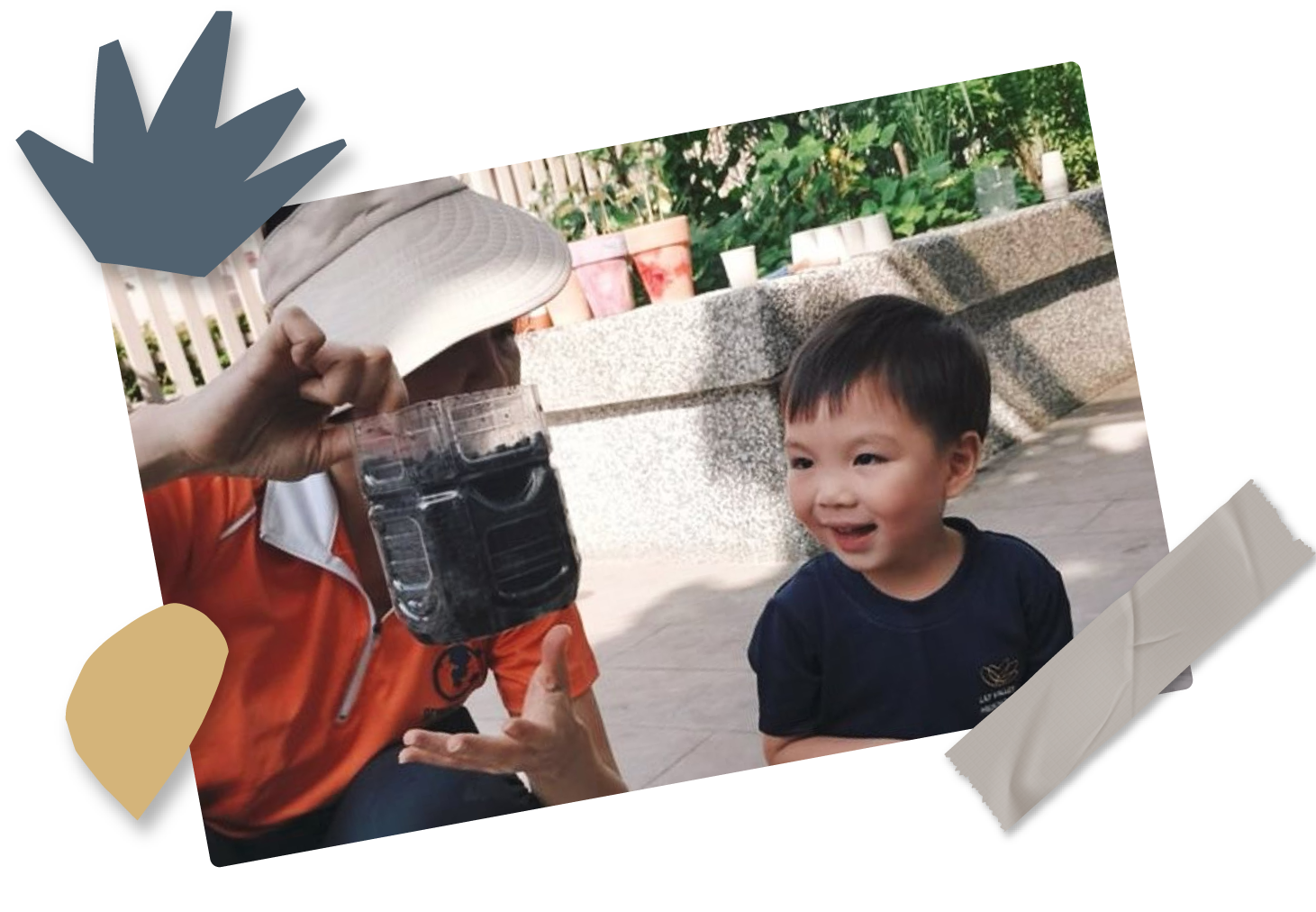
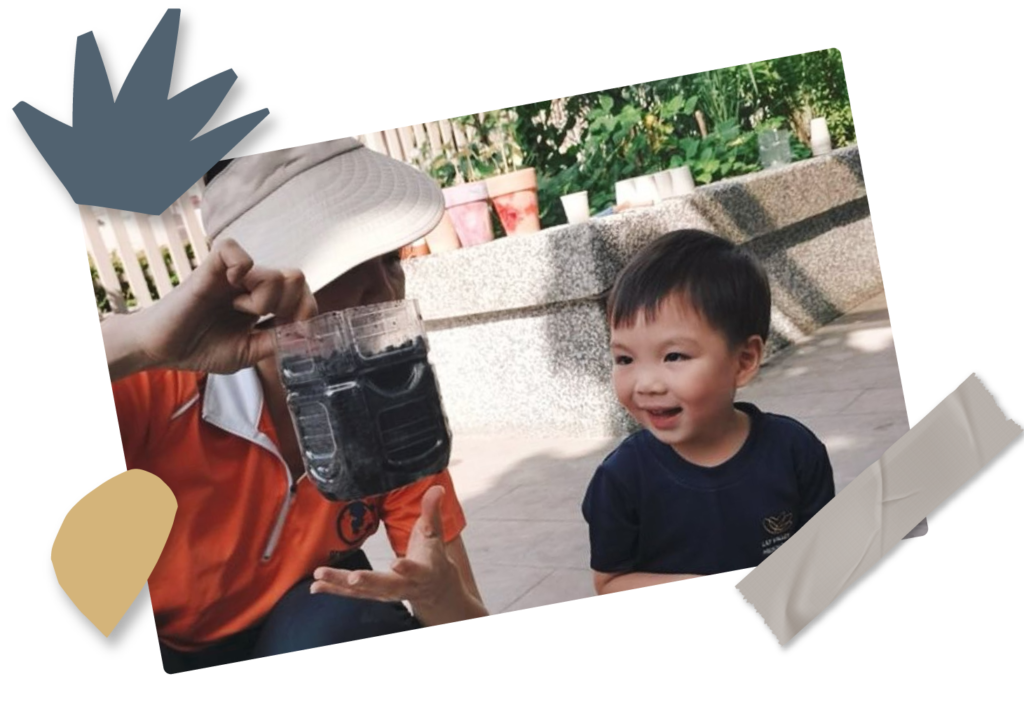
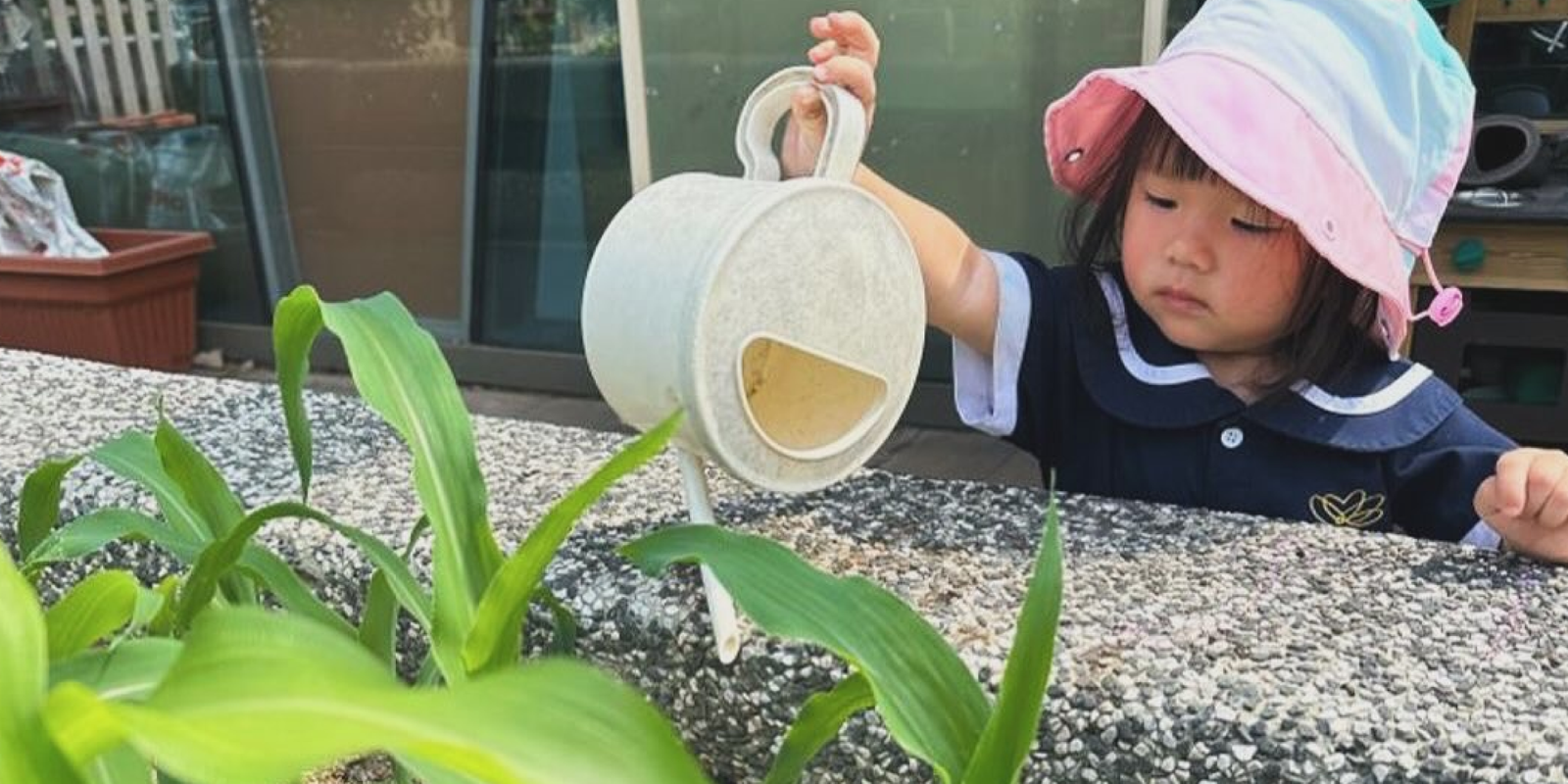
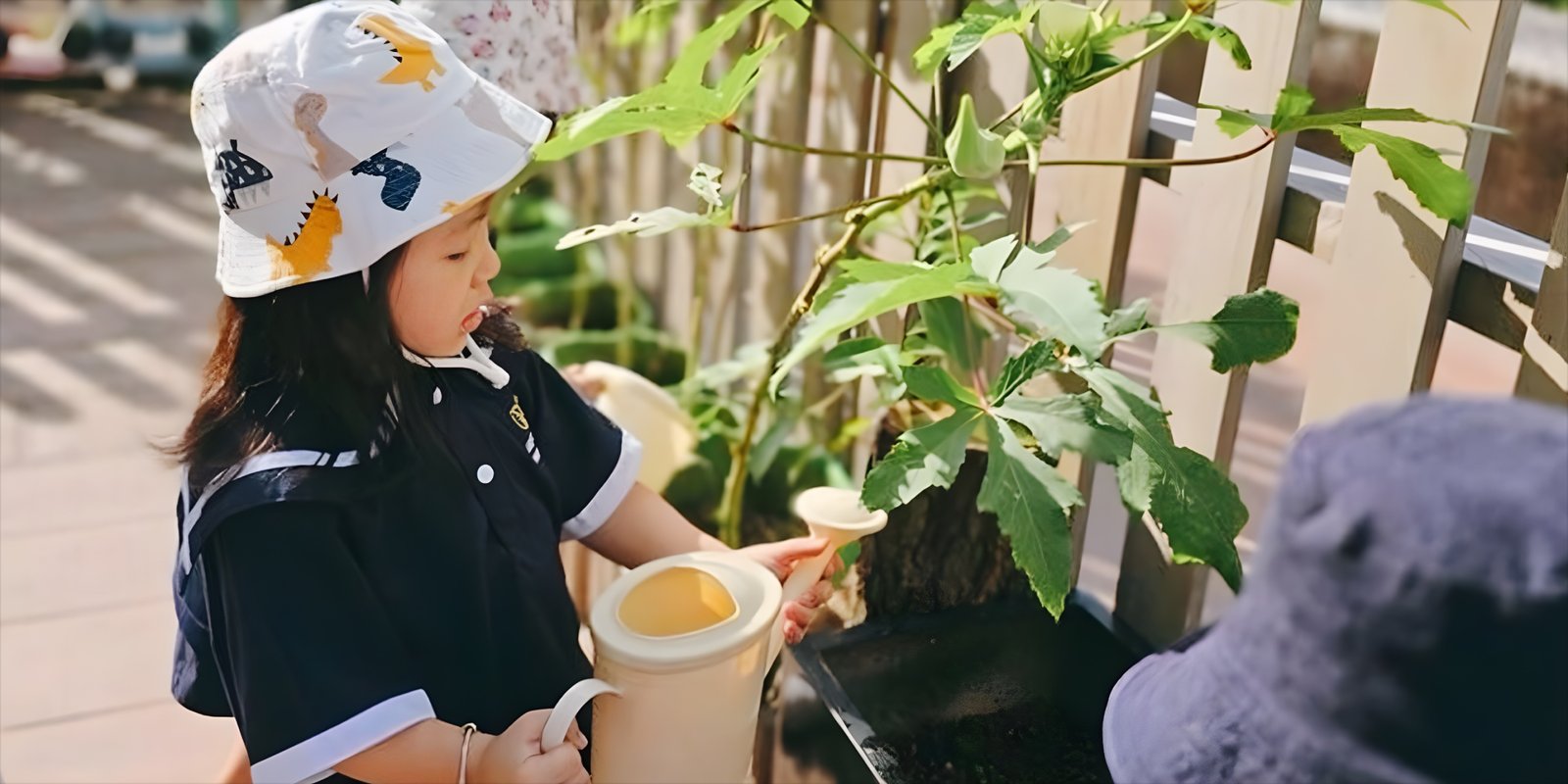
This leads them to ask questions and build their knowledge of the world in a natural, stress-free way. In our preschool, we nurture this through spaces like our outdoor edible garden, where children interact directly with nature and learn where food comes from.
At Lily Valley Preschool, outdoor time is a non-negotiable part of our children’s daily routine. Instead of an occasional treat, it’s something to which every child has consistent access.
They can engage in both free exploration and guided activities across several unique outdoor spaces. These range from the aforementioned edible garden to our popular water play area and dedicated outdoor playground.
All of these are safely within the preschool premises, providing a secure environment for children’s outdoor explorations. If you want to see how these spaces can benefit your own child’s development, book a school tour with us today!