Preschool Chinese Immersion Programme: What It Actually Looks Like in Daily Learning
Chinese Language Learning
Last updated on 14 July 2026
 百合谷幼儿园
Chinese Language Learning
Last updated on 14 July 2026
Chinese Language Learning
Last updated on 14 July 2026
Many educators recognise language immersion as one effective way to support Chinese language learning in preschoolers. It introduces the language to children through meaningful, everyday experiences that can make learning feel more natural and engaging.
If you want to know what a Chinese immersion preschool Singapore option would look like, read on. In this article, we explore what a Chinese immersion programme can look like in a preschool setting.
A Chinese immersion preschool programme goes beyond standalone language lessons. Instead, Mandarin is intentionally woven into parts of the daily learning experience.
Rather than sitting children down for rote memorisation or drill-and-repeat exercises, strong immersion programmes weave it into everyday routines and interactions.
The goal here is consistent, contextualised exposure that lets language take root naturally. This supports children in learning Mandarin through listening, interaction, and repeated exposure in meaningful contexts. It happens through hearing, doing, and interacting.
To be clear, the children still experience a full early childhood curriculum that includes English, outdoor play, and more. Rather than being taught only during dedicated language lessons, Mandarin is reinforced through a variety of learning experiences and daily interactions.
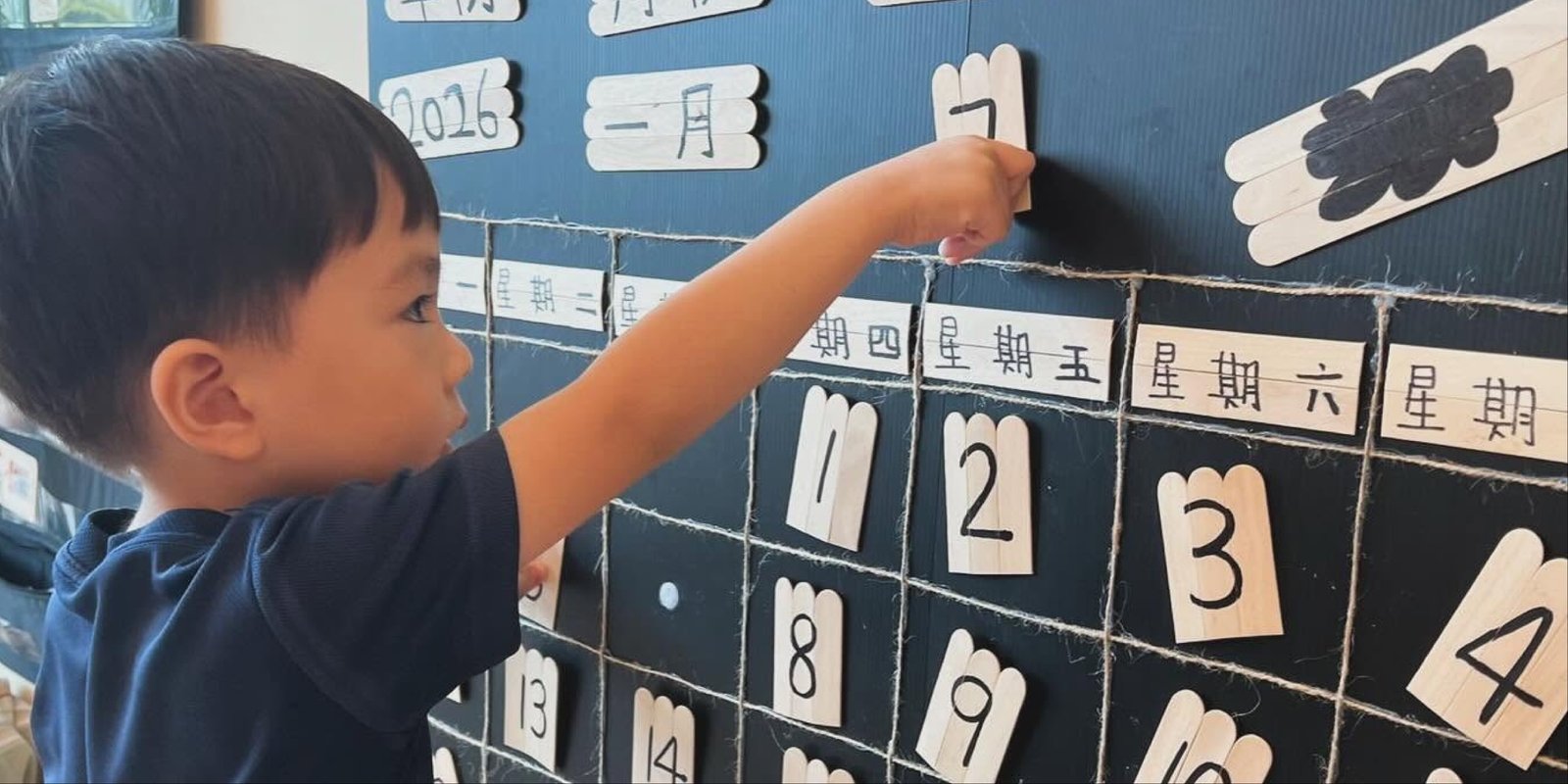
One of the most effective ways to teach Mandarin to preschoolers is through everyday moments. Actions that bookend the school day are included, like the morning greetings or lining up.
Chinese phrases can be used in these. When the same Mandarin phrases appear consistently in the same contexts, children absorb vocabulary and sentence patterns without even realising they’re learning.
At Lily Valley Preschool, Chinese teachers consistently use Mandarin during routines and interactions throughout the immersion programme. Over time, this helps children become more familiar and comfortable responding in Mandarin as it becomes part of their daily routine.
Knowing how to teach Chinese to preschoolers means understanding that structured play is the young child’s most powerful learning tool.
Mandarin vocabulary and sentence structures are introduced through guided activities like role play and object-based exploration. Children can even use it in hands-on learning experiences. The idea is to ensure they use the language in meaningful contexts.
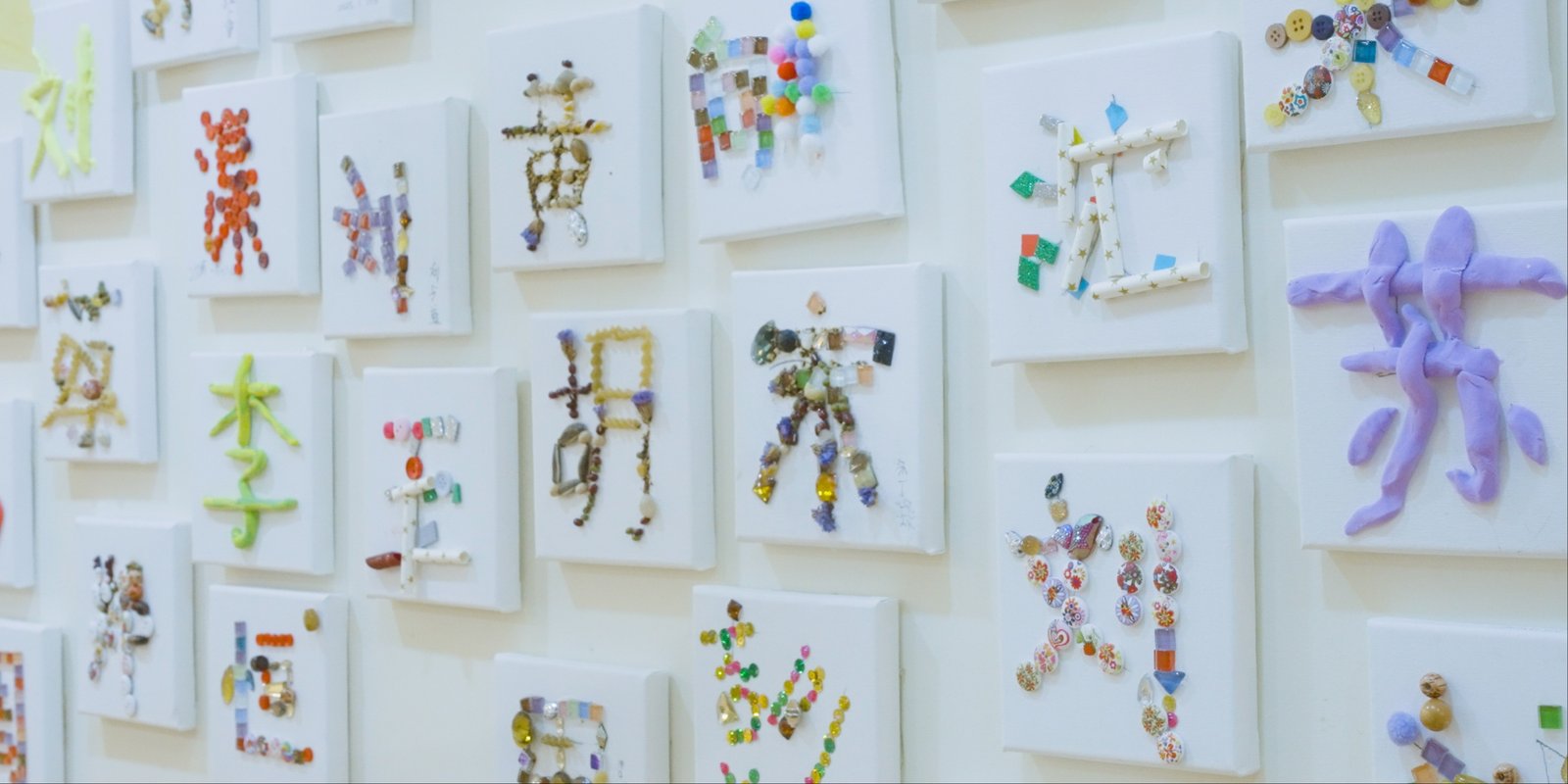
At Lily Valley, play-based experiences form an important part of how children engage with Mandarin. In calligraphy, for example, our children learn new words and characters through Chinese brushwork.
At the same time, their teachers share history and the cultural significance behind what they write. This builds both language skills and cultural literacy in one session.
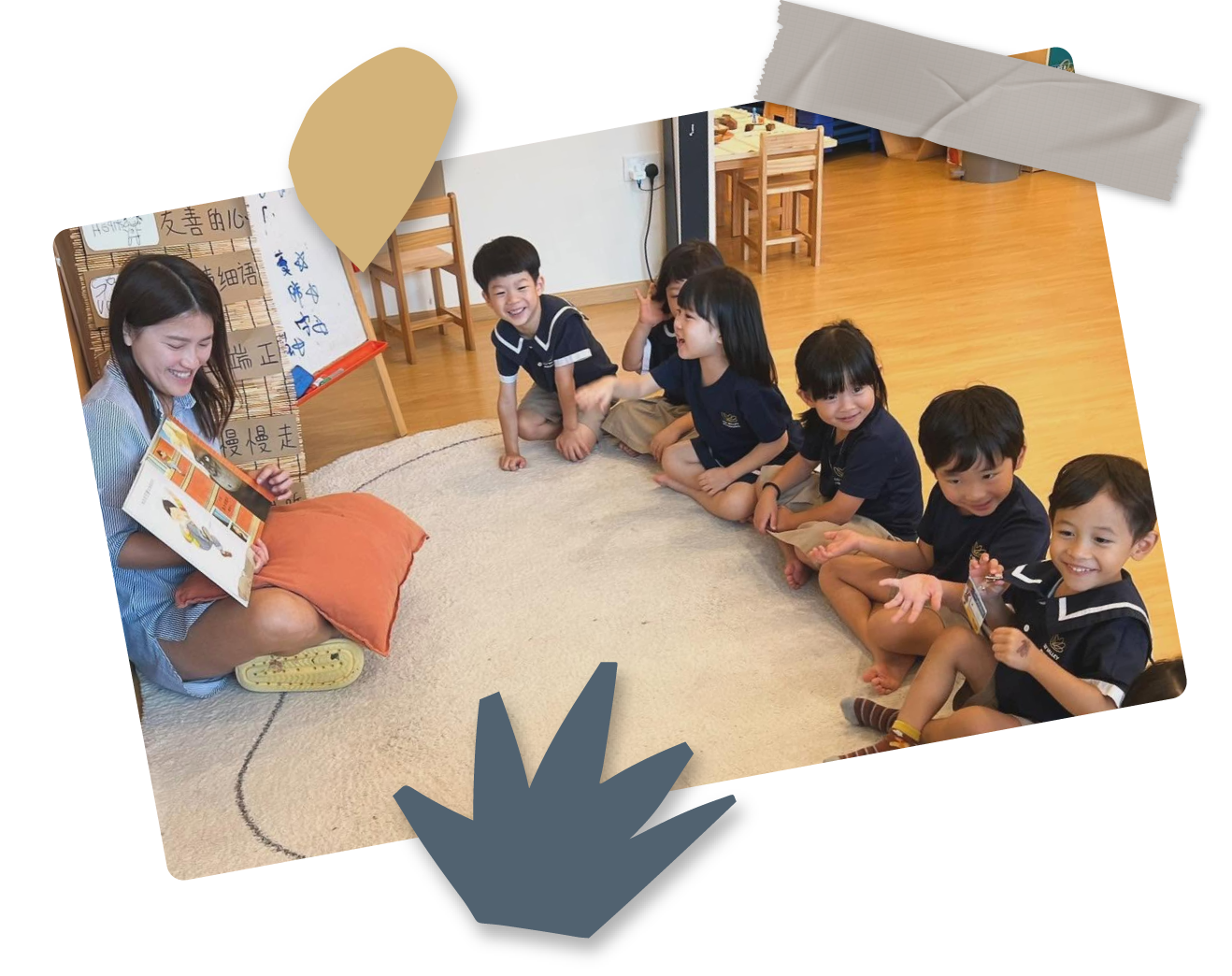
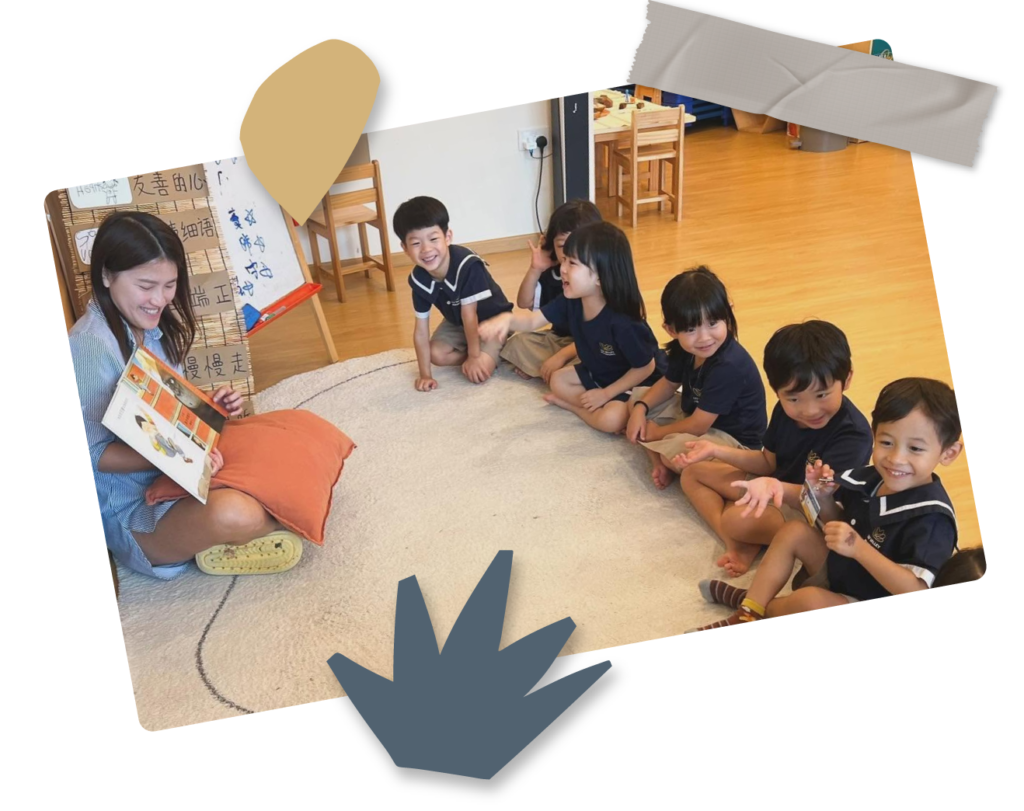
Picture books and visual storytelling are particularly suited to early language learning. This is because children can draw meaning from images and expression even before full comprehension develops.
At Lily Valley, daily shared book reading experiences form a core part of the Mandarin programme. Teachers invite children to notice, recognise, and engage with Chinese characters through stories and discussion.
This makes literacy development interactive and enjoyable instead of solitary and academic.
Music and movement are among the most reliable tools for early language acquisition. Rhythm aids memory and melody supports pronunciation.
Meanwhile, song-related actions can help lower the self-consciousness children might feel around speaking a new language. A child who happily sings along to a Chinese song is practising the language without pressure.
At Lily Valley, we regularly incorporate songs and movement to introduce and reinforce new Chinese vocabulary. It gives children an emotionally positive relationship with the language from the very start!
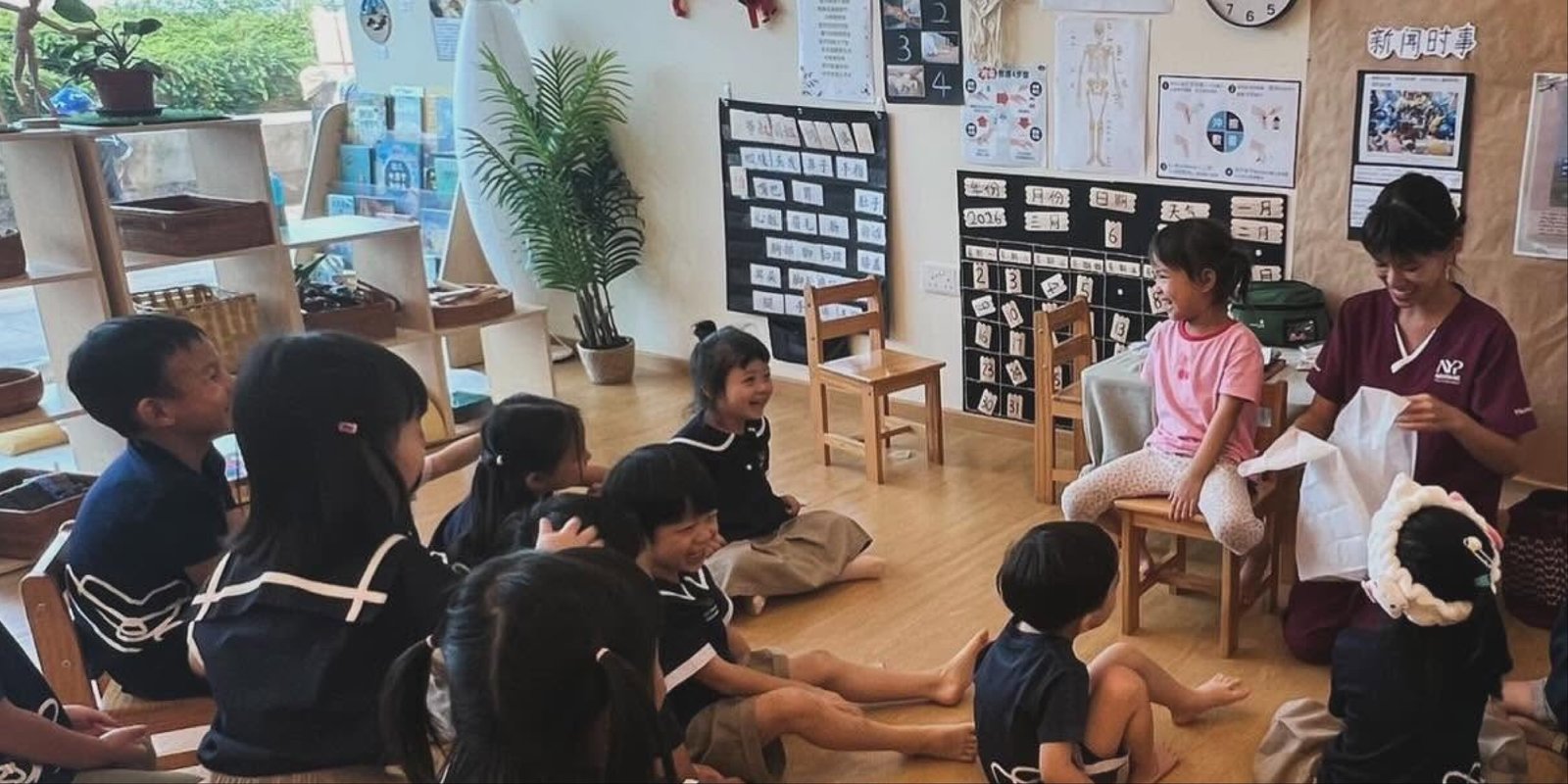
A preschool Chinese-speaking environment in Singapore is one where Mandarin is heard and used naturally among children in social play. When children hear and use Mandarin with their peers, the language becomes a practical tool for communication rather than something encountered only during structured lessons.
This peer-to-peer reinforcement builds conversational confidence in a low-stakes setting. Children feel safe to try, make mistakes, and try again.
Research suggests that young children benefit greatly from meaningful language exposure and opportunities to use language in authentic contexts.
For many young learners, a play-based immersion approach can be an effective way to build familiarity and confidence with a second language. It can reduce some of the pressure that children may experience in more formal learning settings.
That may be an important consideration for parents of children who may find formal Chinese learning and exam environments challenging. The balanced approach offers an alternative option, where the language is encountered across many contexts.
The goal is not simply memorisation, but helping children develop genuine familiarity and confidence with the language over time.
At Lily Valley, Mandarin is integrated into play-based learning segments in our children’s daily schedule. It’s balanced with English and wider curriculum experiences in our Reggio Emilia-inspired preschool.
Inspired by the Reggio Emilia approach, we view children as capable and active participants in their own learning. We design language experiences around real interactions and curiosity. It’s not about drills or perfection, but about deep comprehension.
Teachers focus on communication, comprehension, and building long-term bilingual confidence. This encourages a genuine love of the language that leads to more comfortable Mandarin speakers overall.
A Chinese immersion programme is best understood by seeing it in action. In the flesh, you can see a child light up during a calligraphy session, or while spontaneously switching to Mandarin in conversation with a friend.
Book a tour with us to see how our Mandarin immersion programme brings the language to life throughout the day!