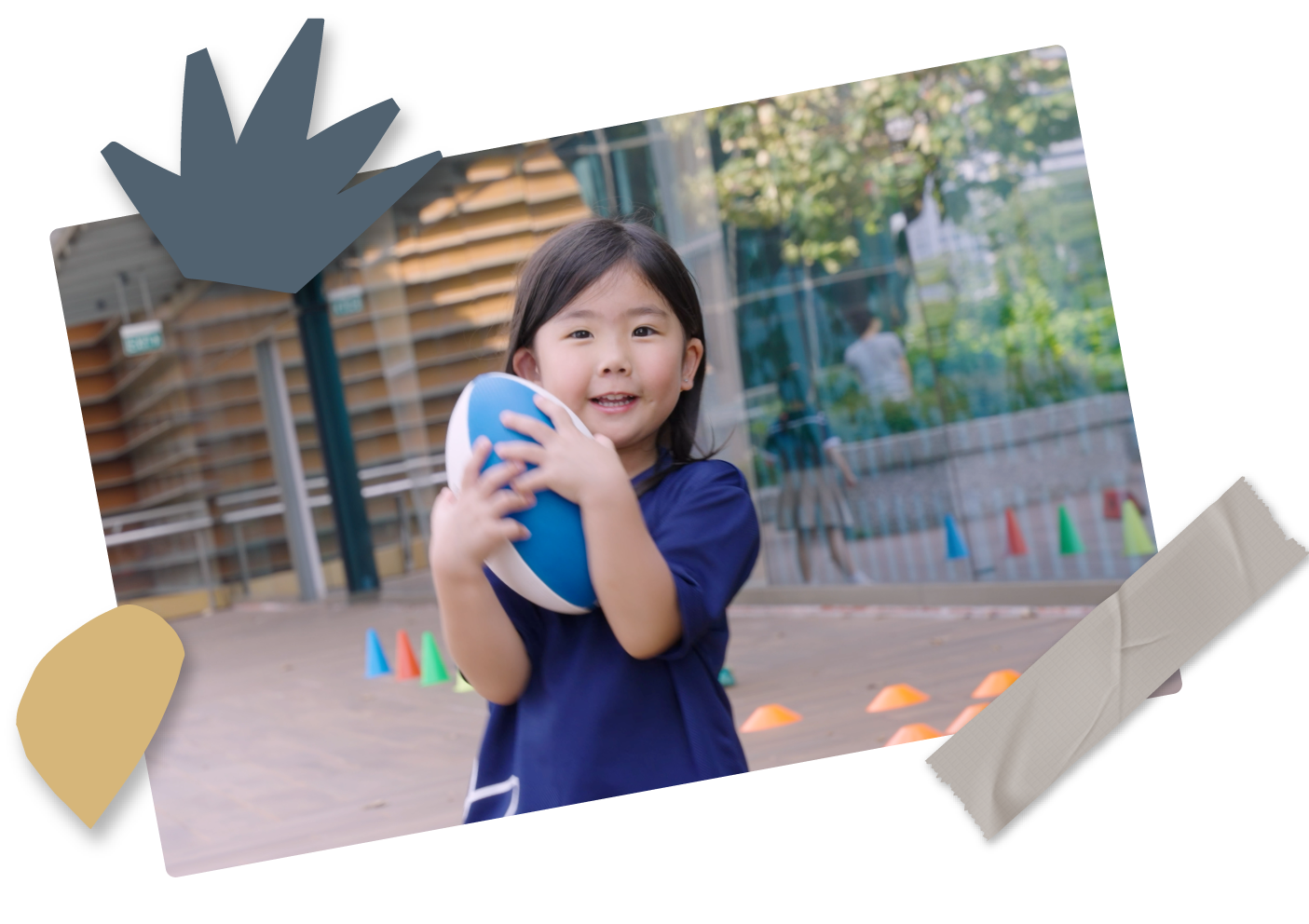
Why Learning Environment Matters in Early Childhood
Preschool Learning Environment
Last updated on 1 July 2026
 百合谷幼儿园
Preschool Learning Environment
Last updated on 1 July 2026
Preschool Learning Environment
Last updated on 1 July 2026
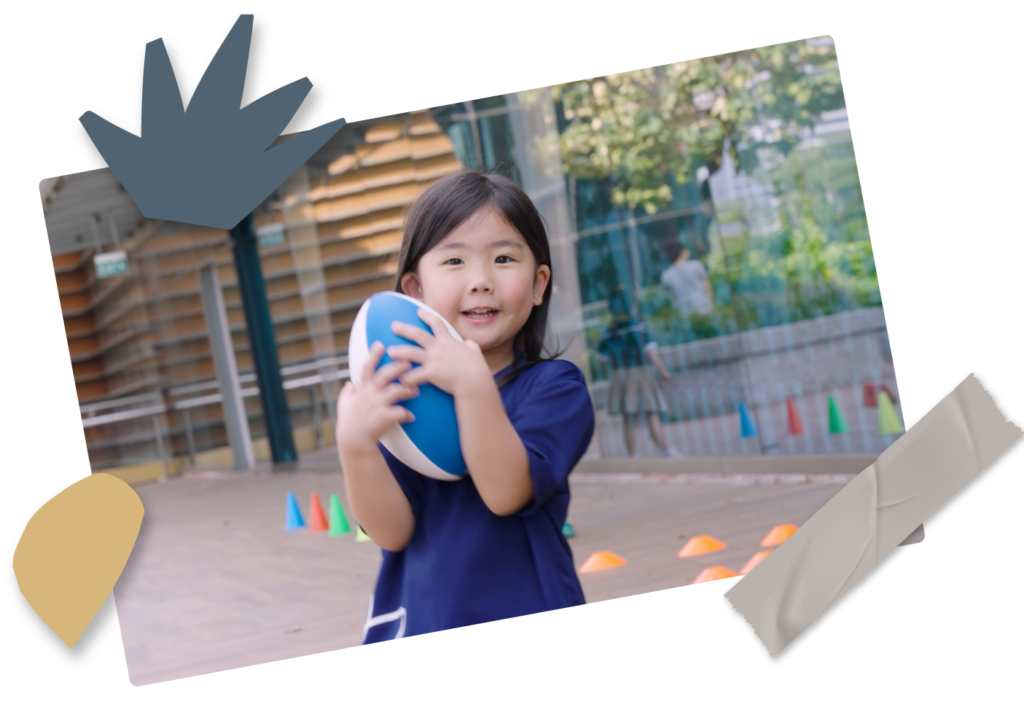
Did you know that by the age of five, about 90% of your child’s brain development is complete?
Those first five years are critical in your child’s growth. That makes selecting the right preschool for them crucial.
But when evaluating preschools, the environment is often forgotten or made to take a backseat compared to curricula and teachers. The truth is that where your child learns can shape how they learn, as much as what they’re taught.
In fact, the Reggio Emilia approach that guides learning at Lily Valley Preschool considers the environment itself the “third teacher”. This puts it on the same level as peers and educators, highlighting the importance of the learning environment in early childhood education.
The term actually refers to more than the colour of the preschool’s walls, or whether there’s a slide in its playground. It covers the different spaces available to children within the centre:
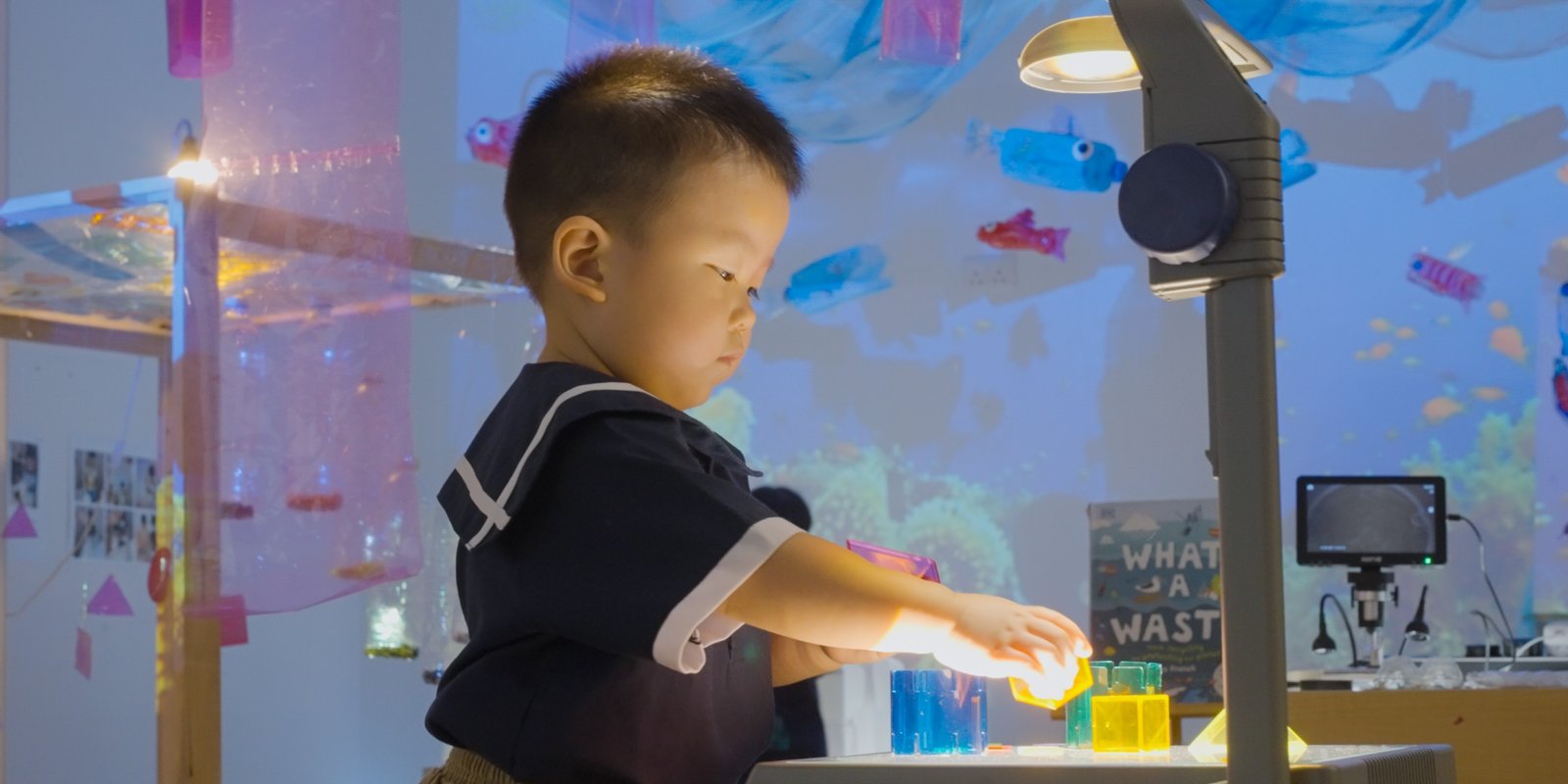
An open, nicely provisioned space naturally invites children to ask questions and follow their interests. By comparison, a rigid and overly structured one can discourage exploration.
This is actually why we purposefully design provocation areas at Lily Valley Preschool. They provoke curiosity and invite children to investigate at their own pace.
They do this by creating conditions where children actually take initiative themselves because they want to think or make discoveries.
Children learn best by doing. They touch items, manipulate objects, move, or process sensory input – all of that comes from direct experience.
Rich preschool environments provide the triggers and opportunities for experiences like this. Real-life learning triggers like varied textures, ample light, space for movement, and more can help a child engage in the interactions that lead to learning.
We’ve seen it at our own preschool learning environments. Children use artwork to learn through our Art Atelier, for example, or make discoveries through observation in our Light Atelier.
The layout of the space directly shapes how children relate to one another. It can lead them to naturally collaborate, for example, or withdraw.
A well-designed environment is supposed to help children feel safe and calm. It should nurture confidence, which is a foundation for meaningful learning.
Lily Valley’s own bright and naturally lit spaces encourage fluid movement in rooms, which can also enable more organic peer connections. We also keep our kindergarten teacher-to-child ratio capped at 1:8 to ensure genuine individual attention from educators.
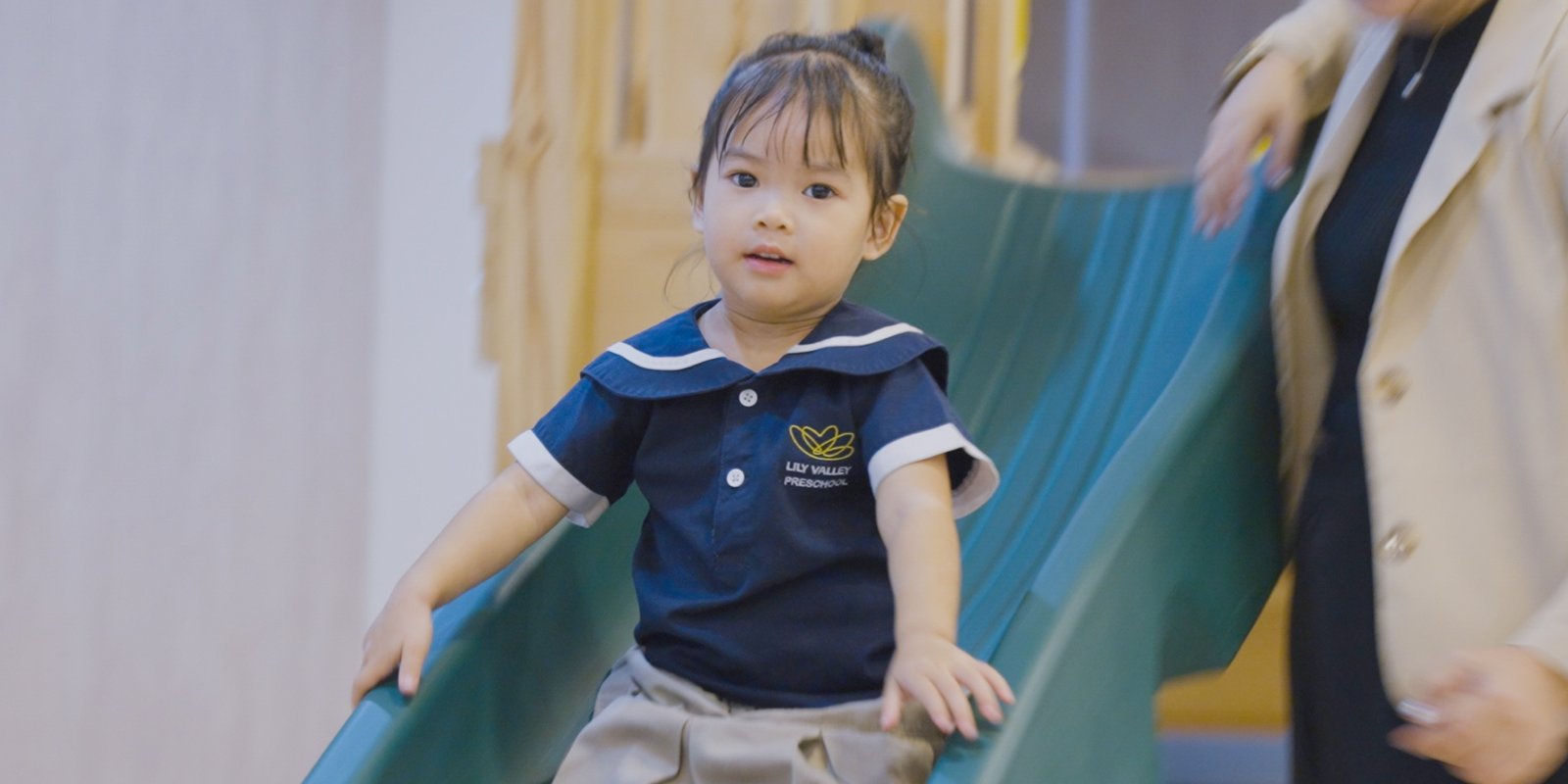
When materials are stored at a child’s eye level and are kept accessible, children begin making choices for themselves.
What should they explore? What tools should they take up? How long should they spend on it? When should they move on?
This daily practice in decision-making builds responsibility, self-regulation, and confidence. All three virtues serve children well beyond the preschool years.
Rich environments naturally generate conversation. A child encountering a new material asks questions.
“What is this? How does this work?” These may even be paired with negotiating queries, e.g. “Can I have that toy?”
Shared spaces and open-ended activities in an early childhood learning environment encourage dialogue and peer communication naturally. Your child may develop vocabulary while listening or playing, for example.
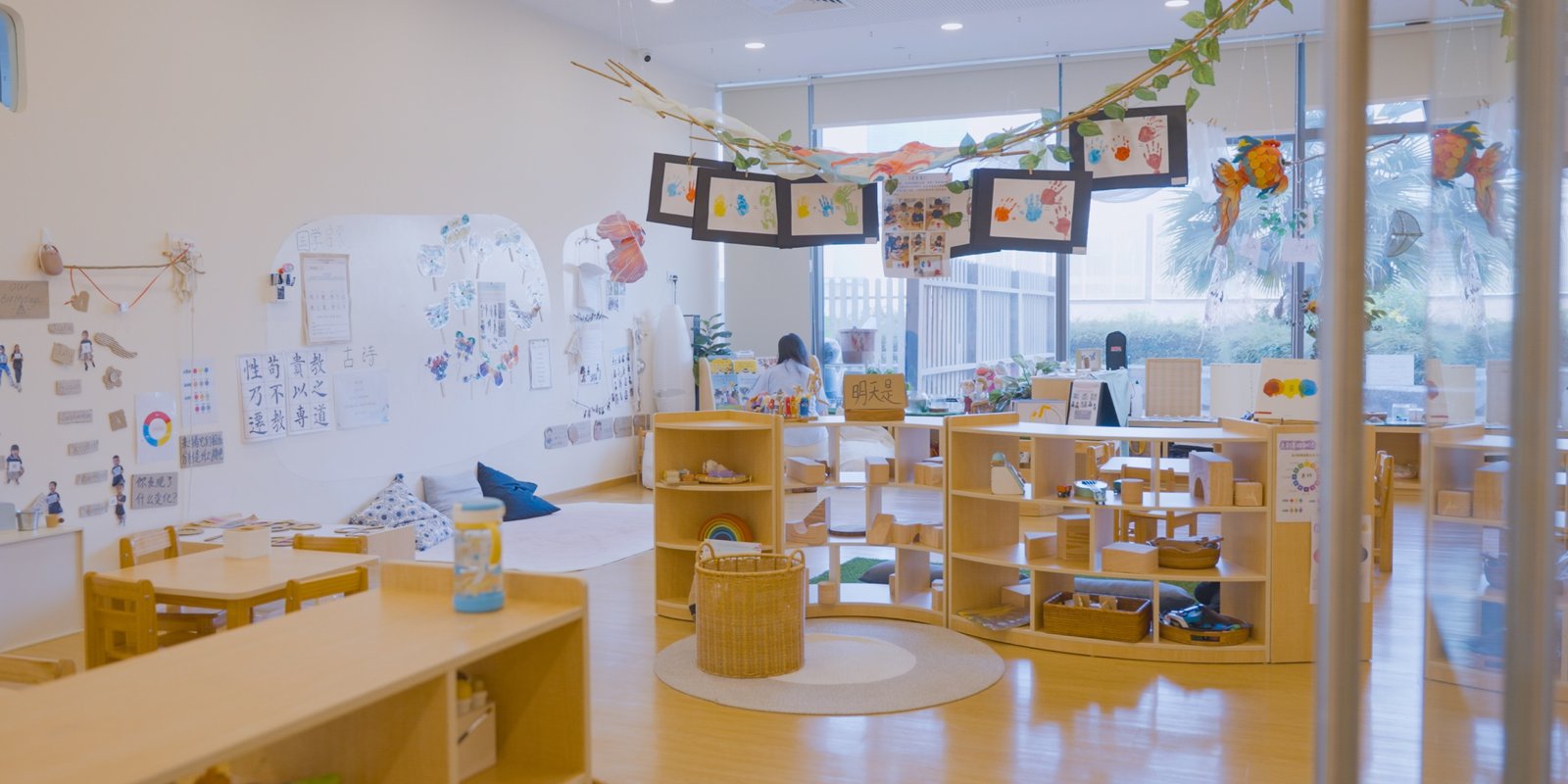
Strong preschool learning environments include a range of zones. Some may be for quiet reflection, for example, while others are for active play.
Outdoor spaces are especially valuable because they expand sensory and physical possibilities. They offer experiences that indoor settings simply can’t replicate.
At Lily Valley, we let children move daily between multiple indoor learning ateliers and outdoor ones. There’s also an indoor play area, an outdoor edible garden, and a water play zone. The result is a genuinely holistic experience.
Loose parts, manipulatives, and natural materials are excellent for learning areas. Look for objects that children can handle or reconfigure in multiple ways.
This is grounded in the Reggio Emilia concept of the “100 languages of children”, or the idea that children understand and express their world through many modes.
It can range from building to storytelling, for example. We see it all the time at Lily Valley, where children explore ideas through various media. They even work towards exhibitions that make their learning journeys visible to families.
Safety without over-restriction encourages appropriate risk-taking. Safety and stimulation don’t need to be at odds!
Open-ended structures and flexible setups can help children learn to gauge their own limits and build resilience. Within a secure, supervised setting, this can massively benefit your child.
In the strongest early childhood learning environments, teachers don’t dominate the space. They move through it with children to observe, prompt, and guide their exploration.
This is a facilitator’s role supported by a purposeful environment. It frees educators to spend their energy on meaningful and responsive moments with individual children.
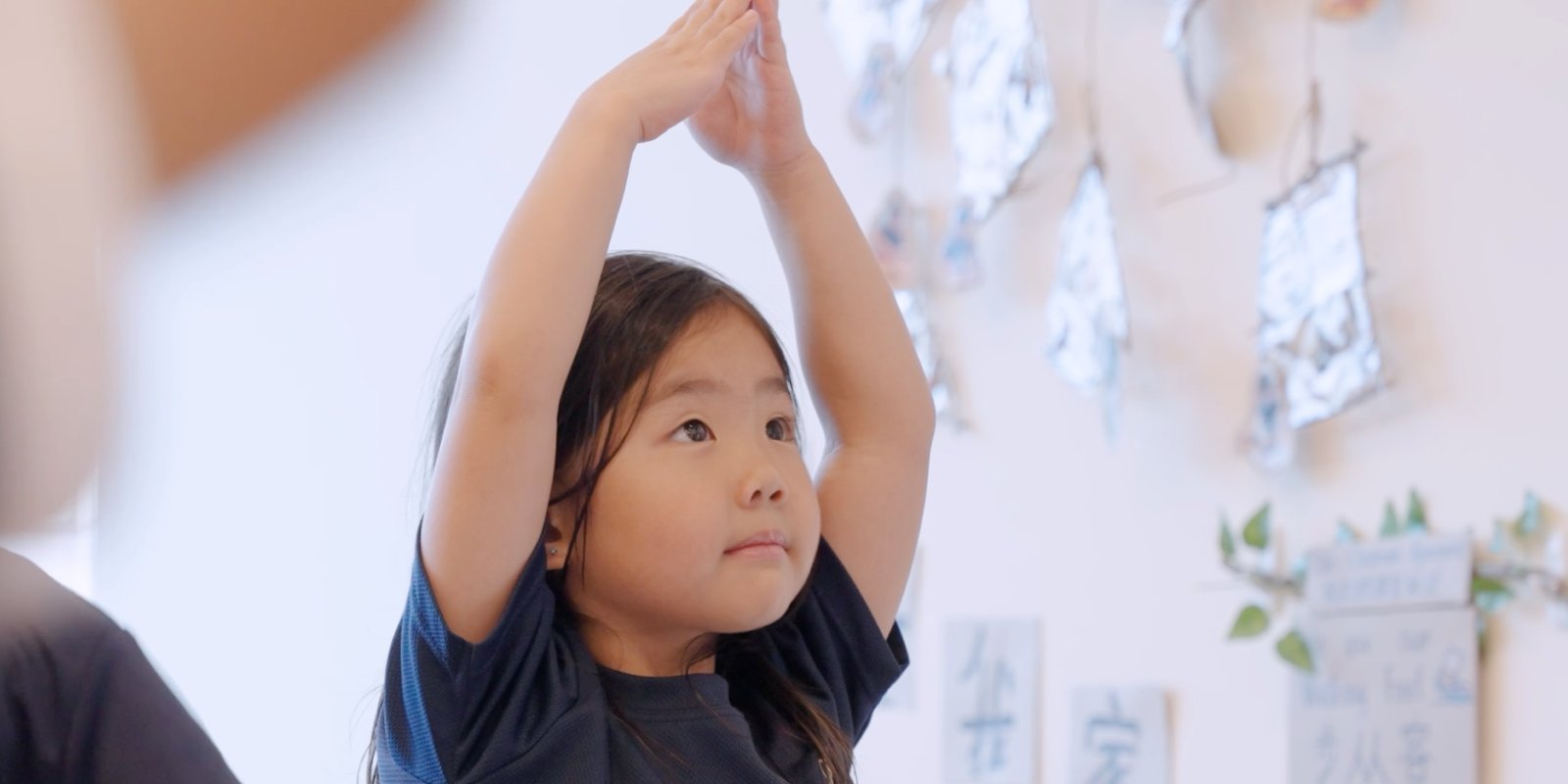
A beautiful space without a coherent pedagogy is just a room. At Lily Valley, the Reggio Emilia-inspired approach and physical environment work together as part of one system.
Ateliers are built around specific modes of inquiry relative to the curriculum. Children’s work is documented and displayed throughout the school as part of how educators observe and support learning.
The environment and pedagogy work together, providing the best learning space for the children.
The learning environment is a foundational pillar of early childhood education, and one that directly shapes your child’s behaviour and development each day. It feeds into their confidence as much as their curiosity.
When evaluating a preschool, then, it makes sense to treat it as part of the curriculum quality and not just the decor.
To better see how spaces and environments come together with pedagogy for your child’s learning, book a school tour with us at Lily Valley!