Will My Child Be Ready for Primary School with Play-Based Learning?
Play Based Learning
Last updated on 4 May 2026
 Lily Valley Preschool
Play Based Learning
Last updated on 4 May 2026
Play Based Learning
Last updated on 4 May 2026
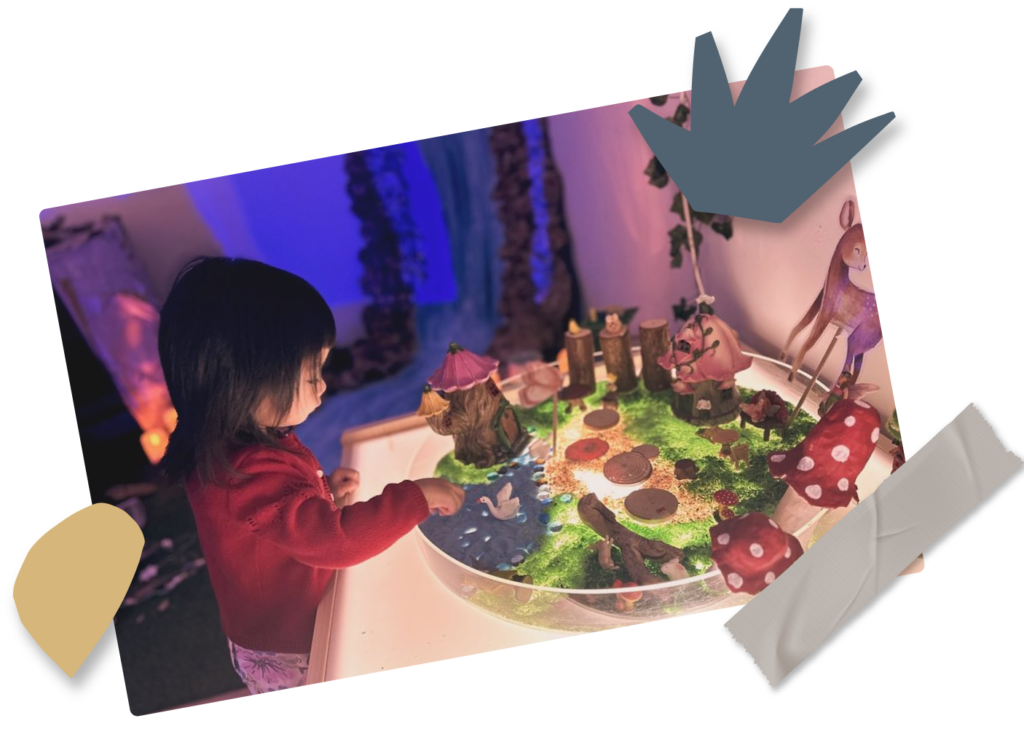
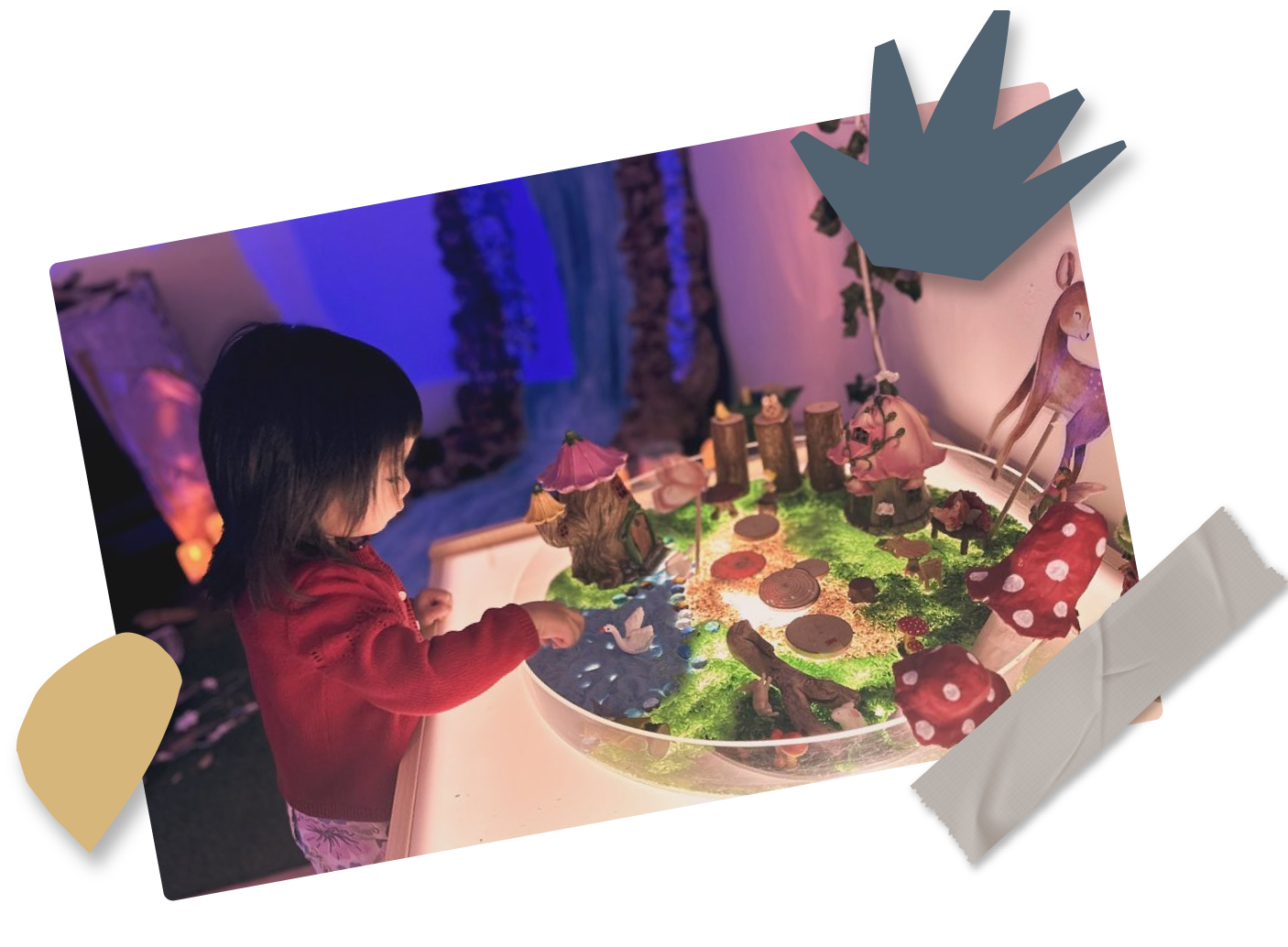
When you look up preschools in Singapore today, you will likely hear about “play-based learning”. It sounds instantly delightful to some, but other parents may worry about their child’s actual school readiness skills with such an approach.
Some of them are concerned that their child will spend more time having fun than preparing for the actual rigours of the Primary 1 (P1) curriculum. It’s natural to ask, “Will my child be ready for primary school after going to a play-based learning preschool?”
If this is worrying you, let’s explore how a play-based preschool curriculum can actually build a foundation ideal for P1 success and beyond.
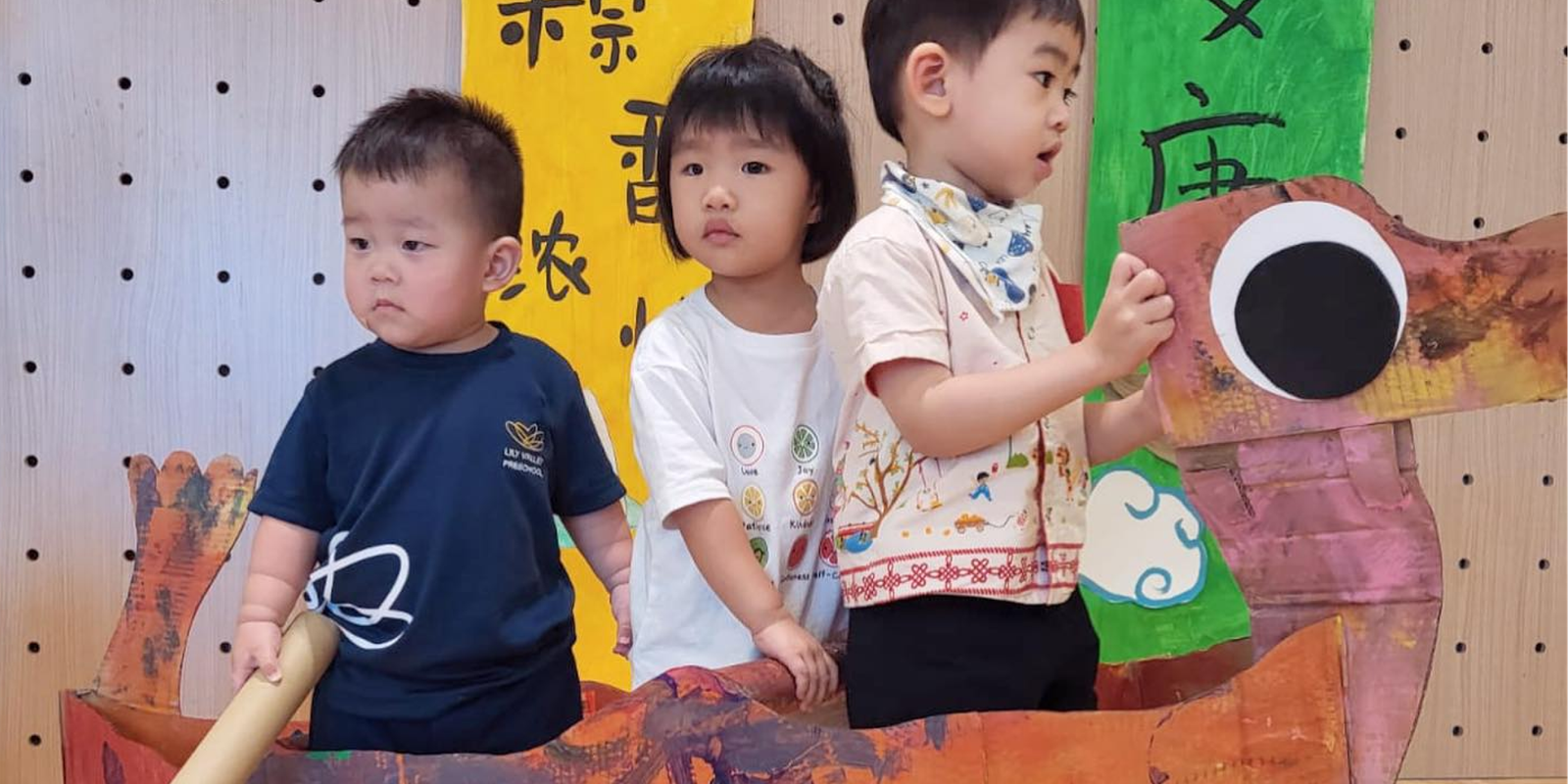
Play-based learning is an educational approach where child-led play is supported and nurtured as a path for development. Rather than sitting at desks in a traditional classroom setting, children engage in hands-on activities that naturally provoke curiosity and discovery.
In this model, the focus is entirely on the process of learning. It is not about rote outcomes, memorisation, or repetitive drills.
The Ministry of Education (MOE) in Singapore actually advocates for “purposeful play” within its Nurturing Early Learners (NEL) framework. This recognises that children are most receptive to new concepts when they’re actively engaged and emotionally invested in tasks.
A common misconception is that play-based learning just translates to “free play” all day without oversight or guidance from a teacher.
In reality, however, a high-quality play-based curriculum can be fairly structured and even driven by specific learning outcomes.
At schools like Lily Valley Preschool, there is a clear methodology that introduces children to the routines they will encounter in Primary 1. Students follow a consistent daily schedule that includes transition times, meal breaks, and group activities.
Guided learning moments allow teachers to step in and turn a simple block-building session into a lesson on physics or teamwork. Activities can be offered to build essential skills, like active listening or the ability to follow multiple-step instructions.
Children can even learn to work within “time-bound” confines in certain play activities. This is a great way to prepare them for the timed nature of primary school worksheets and activities.
The shift toward play-based education is backed by global research from institutions like UNESCO. The organisation has noted its power not just for learning but even for building resilience, a trait that can help children better negotiate new challenges like those of P1.
Here are six ways this approach ensures your child is ready for both the academic and social demands of Primary 1.
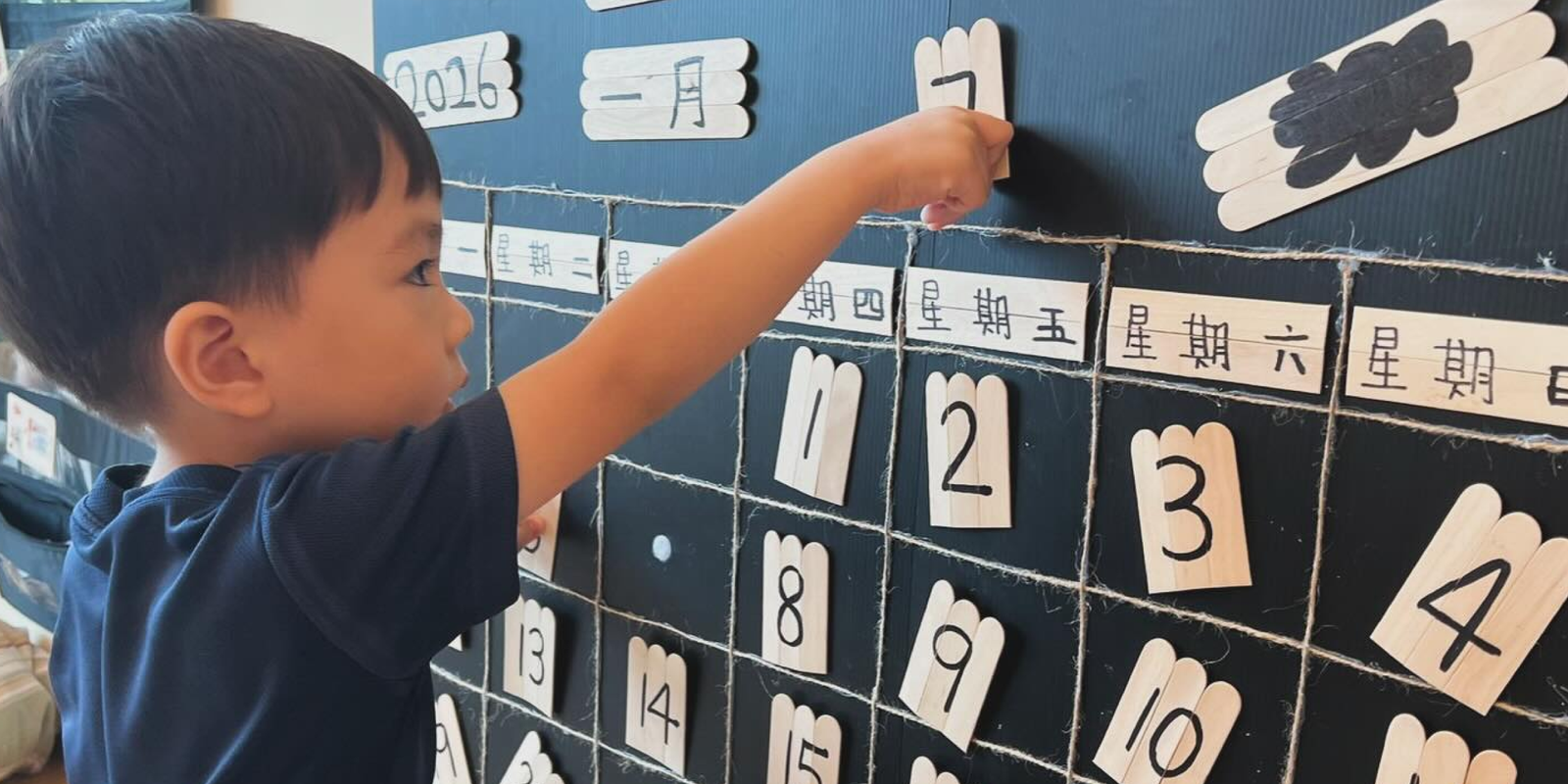
Play-based learning does not ignore academics. Instead, it makes them more meaningful and memorable for a young mind.
In a play-based classroom, literacy is taught through environmental prints or interactive storytelling. At Lily Valley, we also use gamified number activities to build “number sense” in little ones and prepare them for the P1 Maths syllabus.
This means that children can go beyond memorising sums. They can actually get more opportunities to understand the logic of addition or subtraction, and possibly learn to enjoy it!
“Executive function” refers to the mental processes that let us plan, focus attention, and juggle multiple tasks. These are the “hidden” skills that determine whether or not a child can sit through a 30-minute class in P1.
Through complex play projects, children can also practise sustained attention. We see it at Lily Valley very often – children work toward a specific goal over several days and develop their own “mental stamina” that way. It will help them in the longer school days of P1.
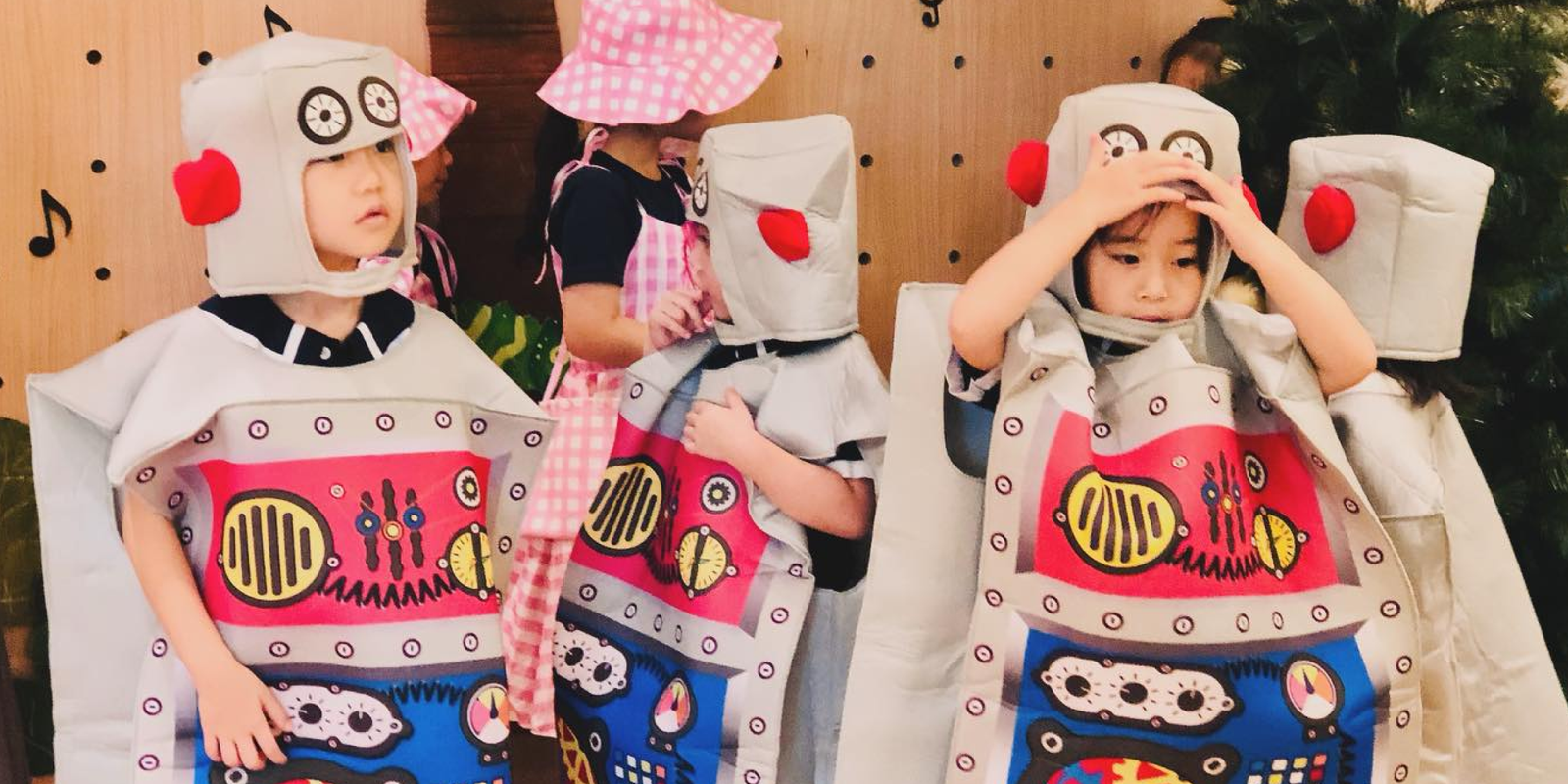
Primary 1 requires students to express their needs clearly to teachers and collaborate effectively with new classmates. Play-based environments provide constant opportunities for children to practise language in real-world contexts.
At Lily Valley, our teachers use open-ended prompts that encourage them to use new vocabulary naturally. This translates to an organic way of learning that ensures language is not just a subject to be studied but a tool for successful interaction.
The leap to a larger primary school can be socially overwhelming for children who have only focused on individual desk work. Play-based learning can help by giving them more opportunities to learn how to work with or learn with others early on.
In play-based learning environments, children can learn how to take turns, share resources, and navigate minor conflicts. They hone socio-emotional competencies that are directly linked to academic success.
A child who feels secure and confident amidst others is more likely to participate in class. A child who can effectively deal with peers is also more likely to manage the incoming social complexities of P1.
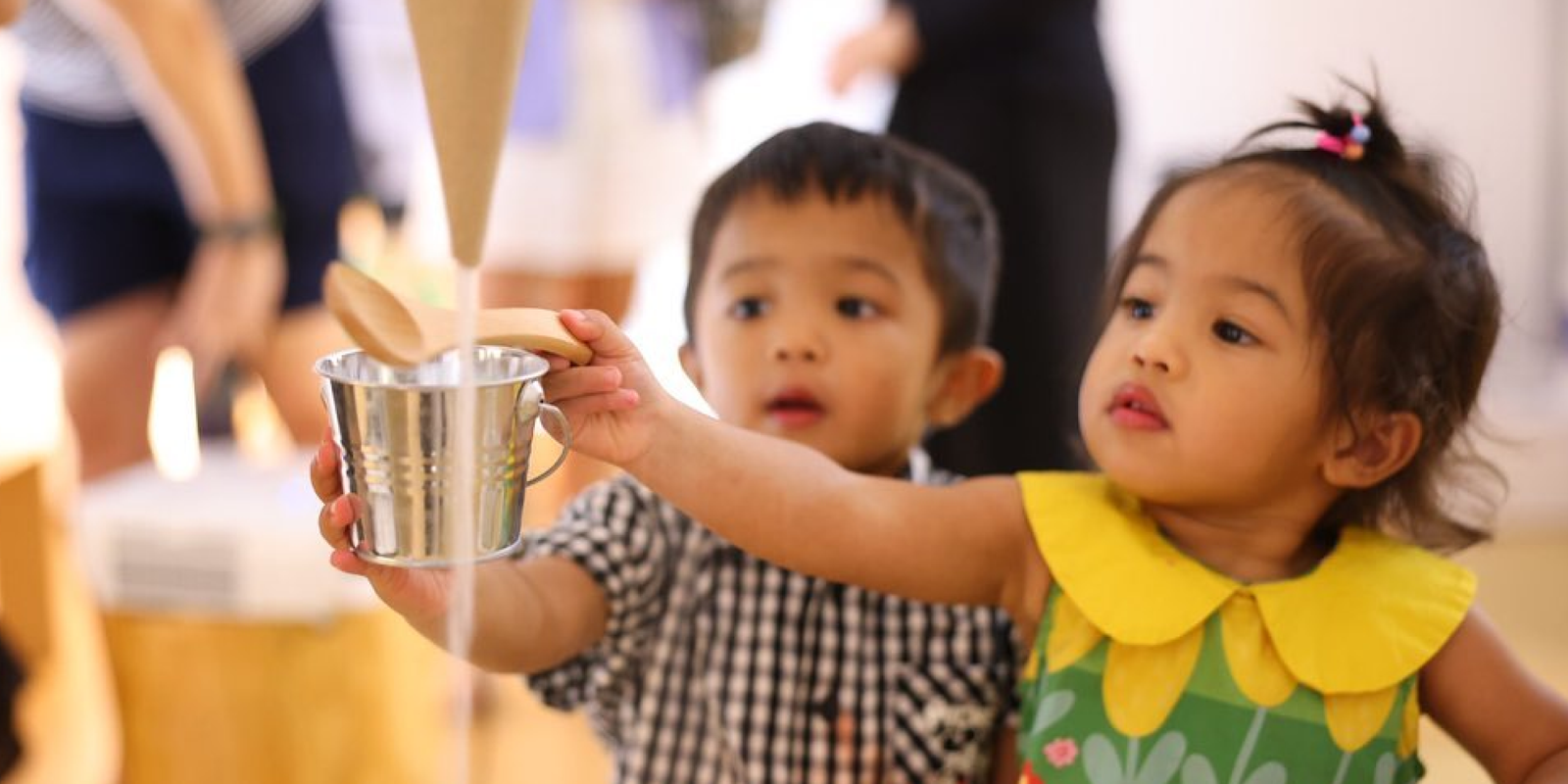
The MOE’s “21st Century Competencies” emphasise the need for critical thinking instead of memorisation. This is because a child who can think critically can arrive at many answers independently later on, even without needing to look up a solution.
Play-based learning focuses on developing this skill. It presents children with open-ended problems or projects that don’t even have a single “right” solution.
In Lily Valley’s inquiry-based projects, students might be tasked with “building a bridge” for toy cars with limited materials, for example. This invites them to test hypotheses and learn from failure… and that establishes the cornerstone of long-term scientific and logical thinking.
Perhaps the greatest risk of early rote-learning is “academic burnout” before a child even reaches Primary 1 age. A play-based approach helps by encouraging children to associate “school” and “learning” with joy and discovery early on, not stress.
When a child enters P1 with a genuine love for learning, they’re more likely to persevere through difficult subjects. This intrinsic motivation may be one of the most reliable predictors of long-term academic success through the Primary years.
At Lily Valley, our curriculum is specifically designed to bridge the gap between early childhood wonder and the challenges of primary school. Our inquiry-based projects let children build the high-level thinking skills they need for P1 in ways they also enjoy.
Our ateliers or dedicated learning spaces allow them to express their thoughts and experiment with ideas with various tools and materials. These spaces are inspired by the Reggio Emilia approach, which views the environment as a “third teacher” encouraging exploration.
We also have small group lessons to ensure that every child receives the guidance they need or deserve without removing their sense of ownership over their work. Our teachers also document and guide their progress instead of directing them, strengthening children’s agency and sense of responsibility early on.
Come and see our unique approach and the way play-based learning can help with P1 preparation. Book a school tour today to see how our methods prepare your child for a bright future!