Benefits of a Low Teacher-Student Ratio in Early Childhood Education
Preschool Learning Environment
Last updated on 15 June 2026
 Lily Valley Preschool
Preschool Learning Environment
Last updated on 15 June 2026
Preschool Learning Environment
Last updated on 15 June 2026
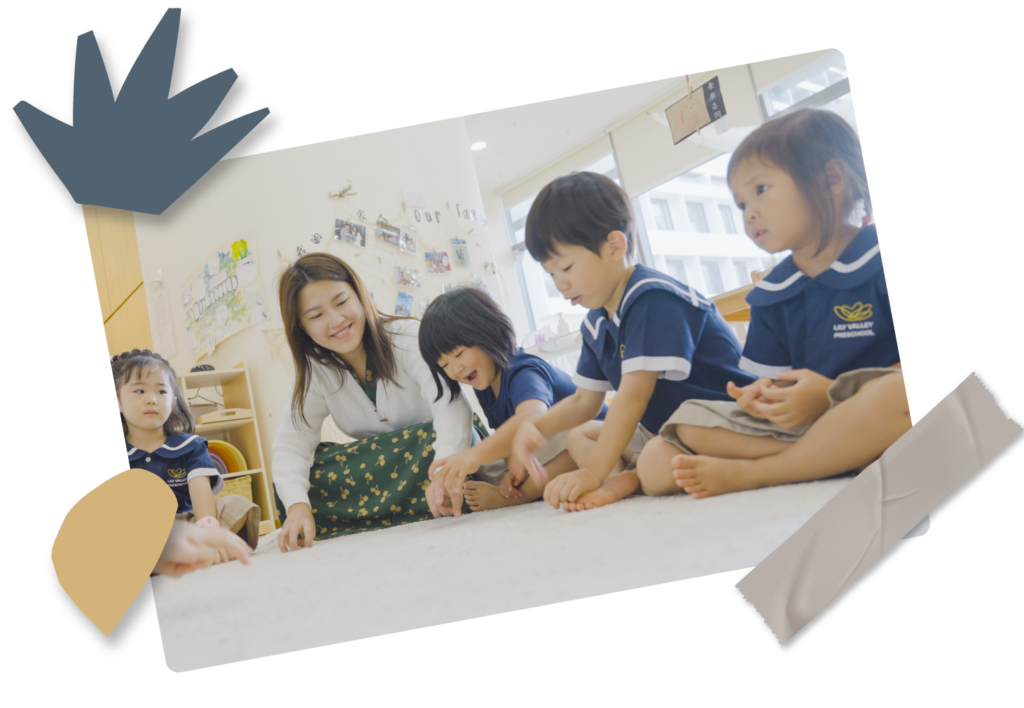
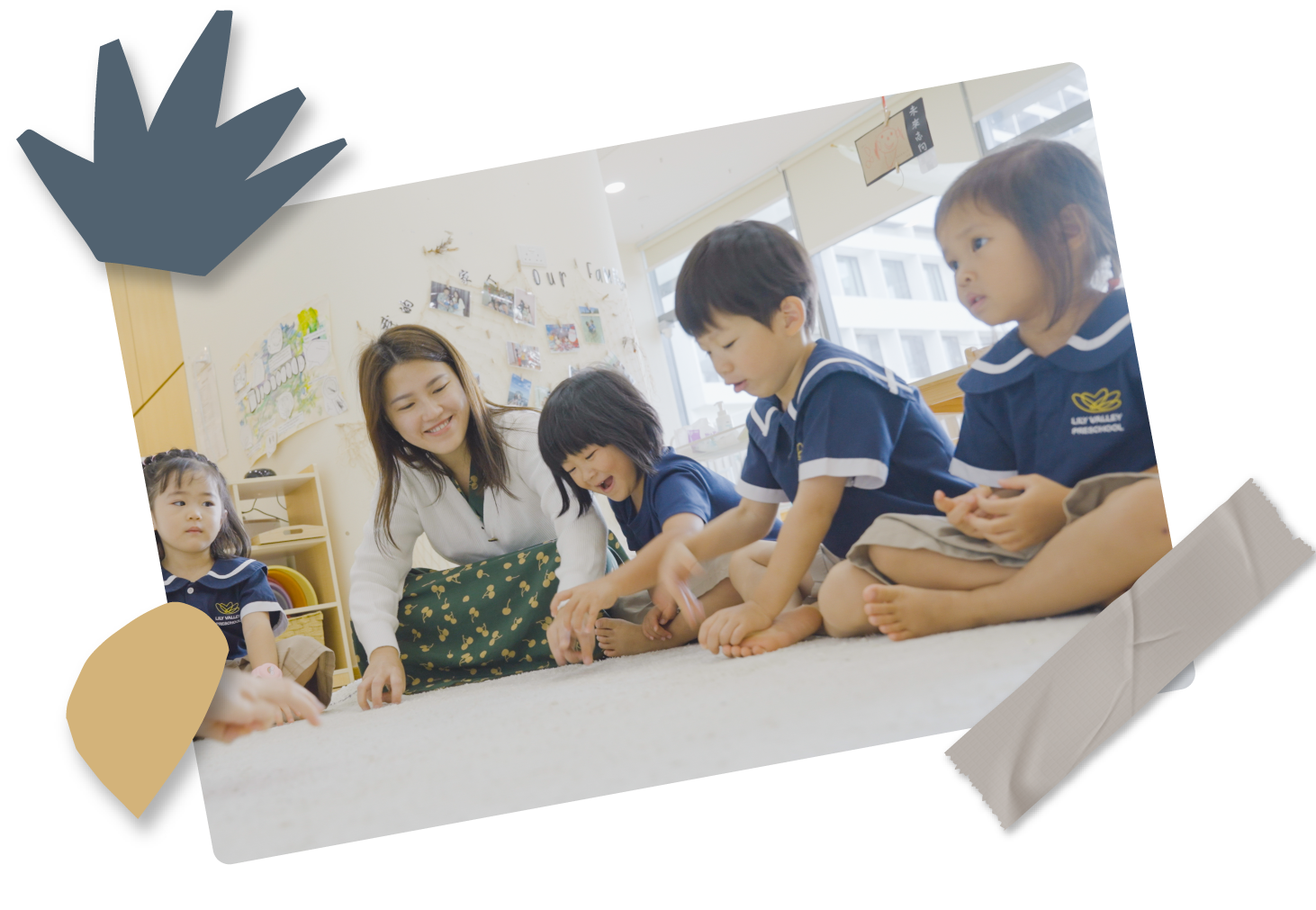
Most checklists designed to help parents with preschool selection include the teacher-student ratio among the things to look at. What does it actually mean for children, though?
Simply put, the ratio tells you the number of children assigned to each educator at the preschool. It directly dictates how much individual care your child receives. A low student-to-teacher ratio generally means more individual care, while a high ratio may limit how much time educators can spend with each child.
The teacher-student ratio in Singapore preschool centres is therefore an important indicator of the level of support and attention your child can receive. It can tie into your child’s safety, learning, and more.
In Singapore, the Early Childhood Development Agency or ECDA specifies maximum teacher-to-child ratios in preschools. These maximums are reviewed preiodically to ensure that they support learning environments that meet the needs of both children and educators.
As of 2026, the maximum qualified programme ratios are still tiered by age group. You’ll also notice that the number of students for each tier’s ratio goes up per level. This is to account for children’s increasing independence as they age.
Many larger preschools may operate at or close to these maximum ratios while remaining within ECDA requirements, often due to operational and staffing considerations.
This is something to consider if you prefer to have more individualised attention for your child. With these ratios, your child will essentially be one of 25 students under a single teacher’s care by the K2 level.
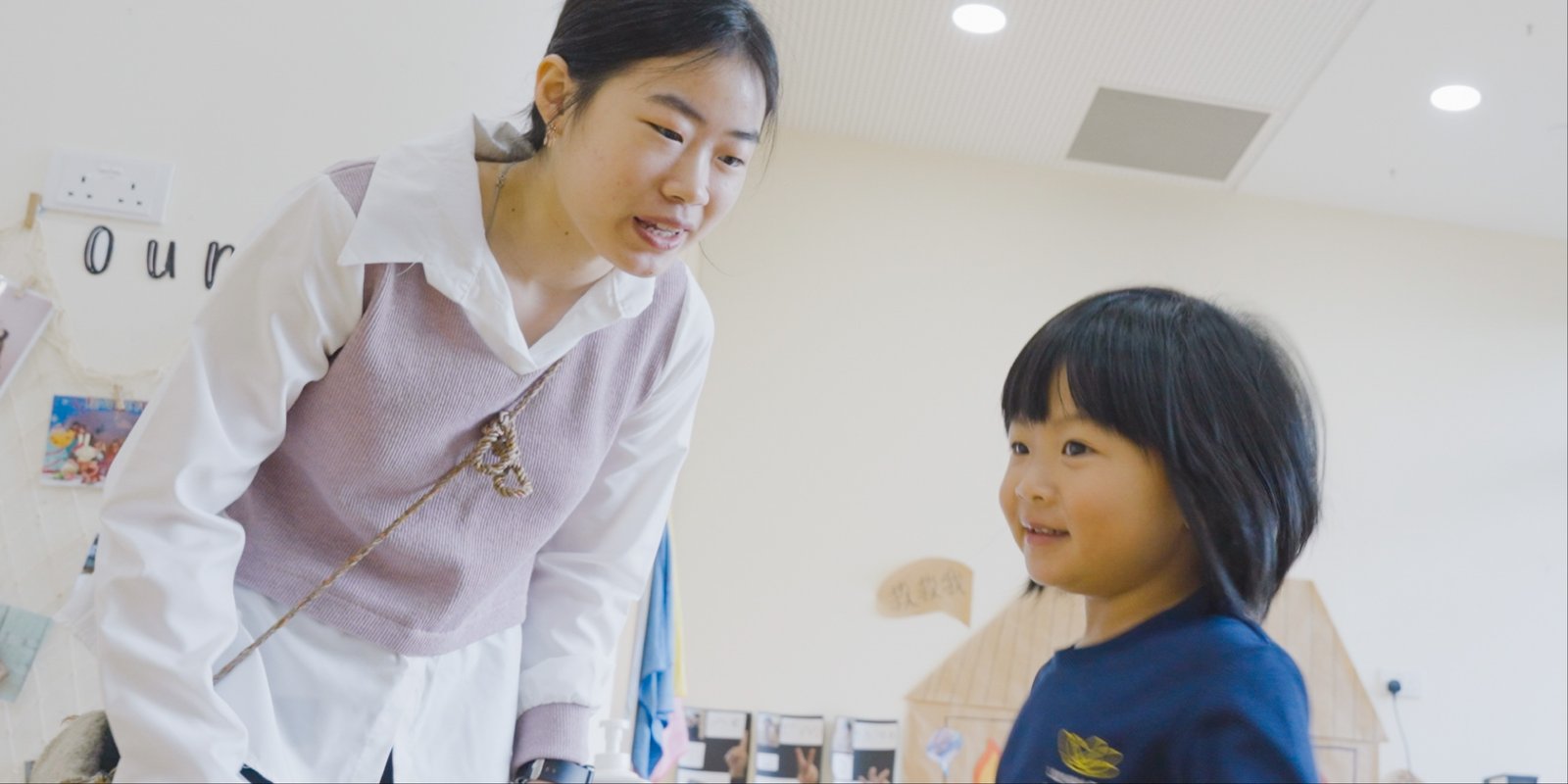
At Lily Valley, we believe that the early years of children’s development benefit from close guidance, meaningful interaction, and personalised support. That’s why we’ve chosen to operate significantly below the maximum ratios set by ECDA.
Our teacher-student ratios are among the lowest in the country. We have a playgroup teacher-student ratio of 1:4, and a kindergarten ratio of 1:8.
These small preschool class sizes allow our teachers to better act as facilitators in children’s exploration and discovery. In the Reggio Emilia approach that inspired our pedagogy, it’s vital for us to support little ones in their individual learning journey.
This allows teachers to more effectively implement a child-centric curriculum that respects each child’s pace and spend more meaningful one-on-one time with them throughout the day.
Some people assume the main benefit of having a low teacher-student child ratio is that it makes classroom management easier, but there are actually numerous advantages for the children themselves.
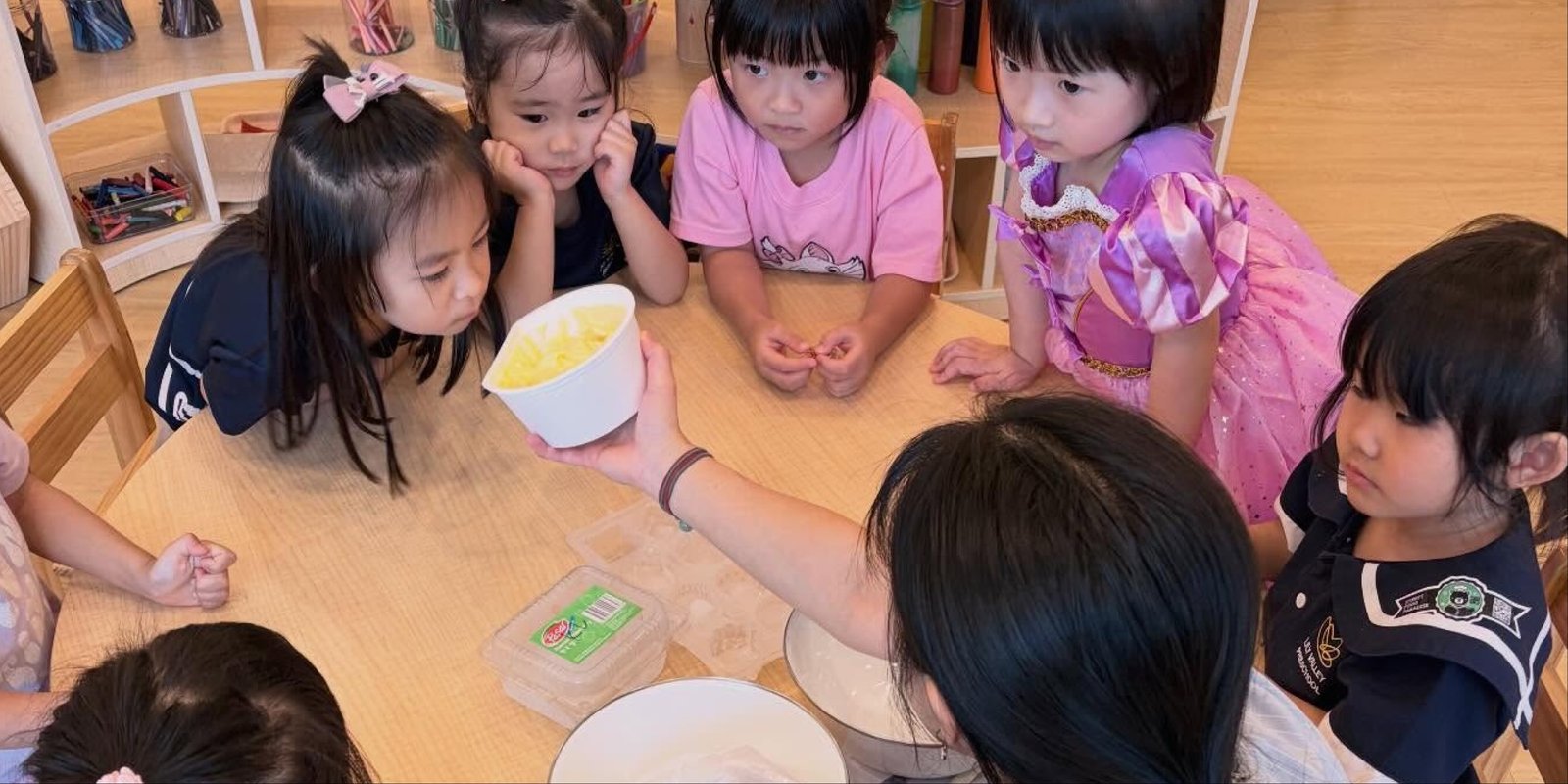
A lower ratio allows for the development of “serve and return” interactions between educators and children. These responsive interactions are considered important for building secure relationships as well as supporting early learning and development.
When children feel seen and understood by their teachers, they build the emotional confidence to participate in activities, ask questions, and explore new ideas.
In a Reggio Emilia-inspired setting, teachers support students individually as the latter pursue their interests. With fewer students, teachers have more time to observe each child’s specific curiosities and tailor their guidance accordingly.
Outdoor learning and discovery require a high degree of supervision. A low teacher-student ratio can help children enjoy greater freedom of movement and exploration without requiring the tighter management often needed in larger groups.
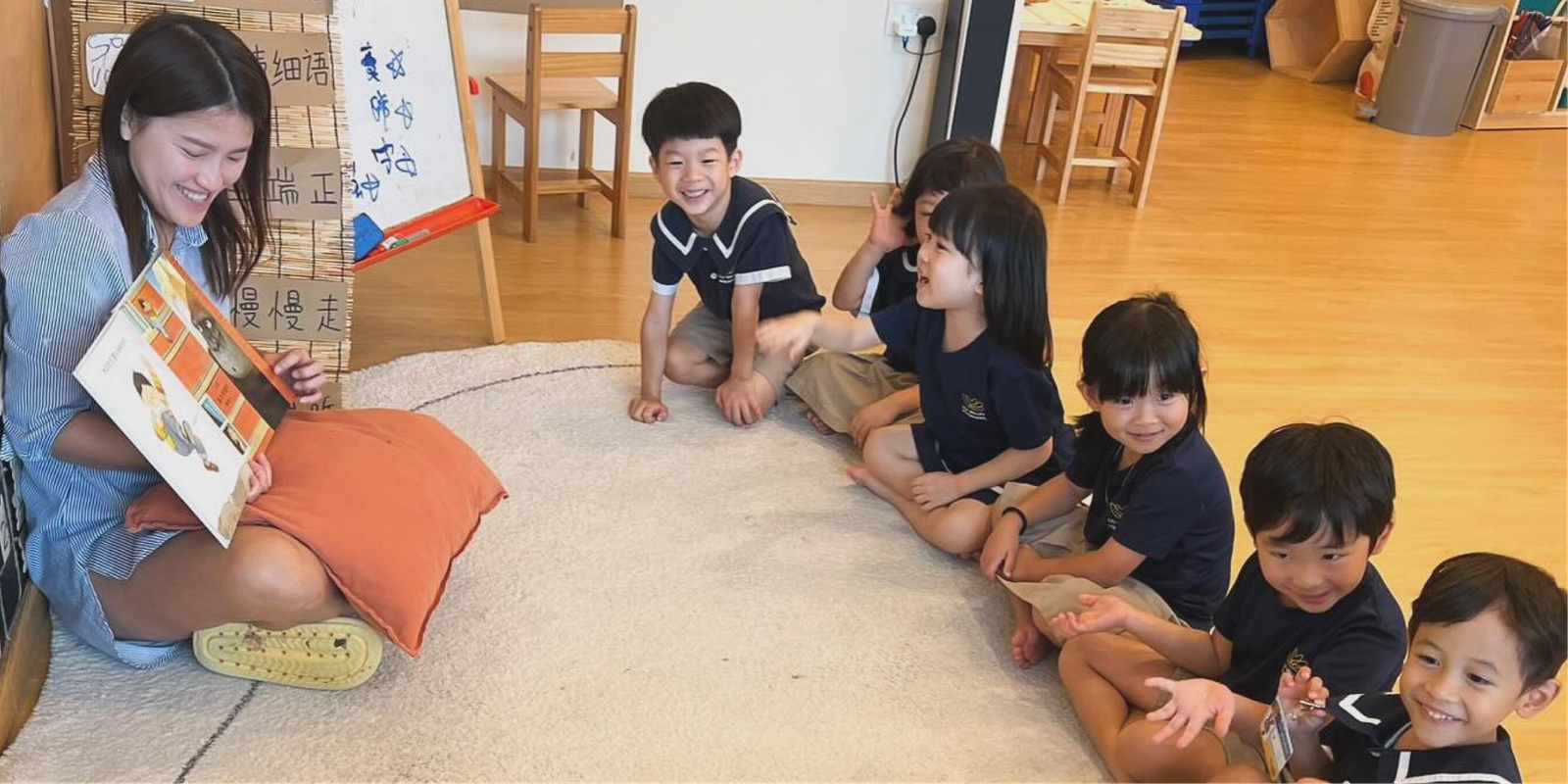
In smaller groups, children find it much easier to practise turn-taking and active listening. Smaller groups may also create calmer learning environments where quieter children feel more comfortable sharing their thoughts and questions.
A low teacher-student ratio can help ensure children get the supervision they need to stay safe. With small groups, educators can anticipate potential hazards and intervene more easily for children’s welfare.
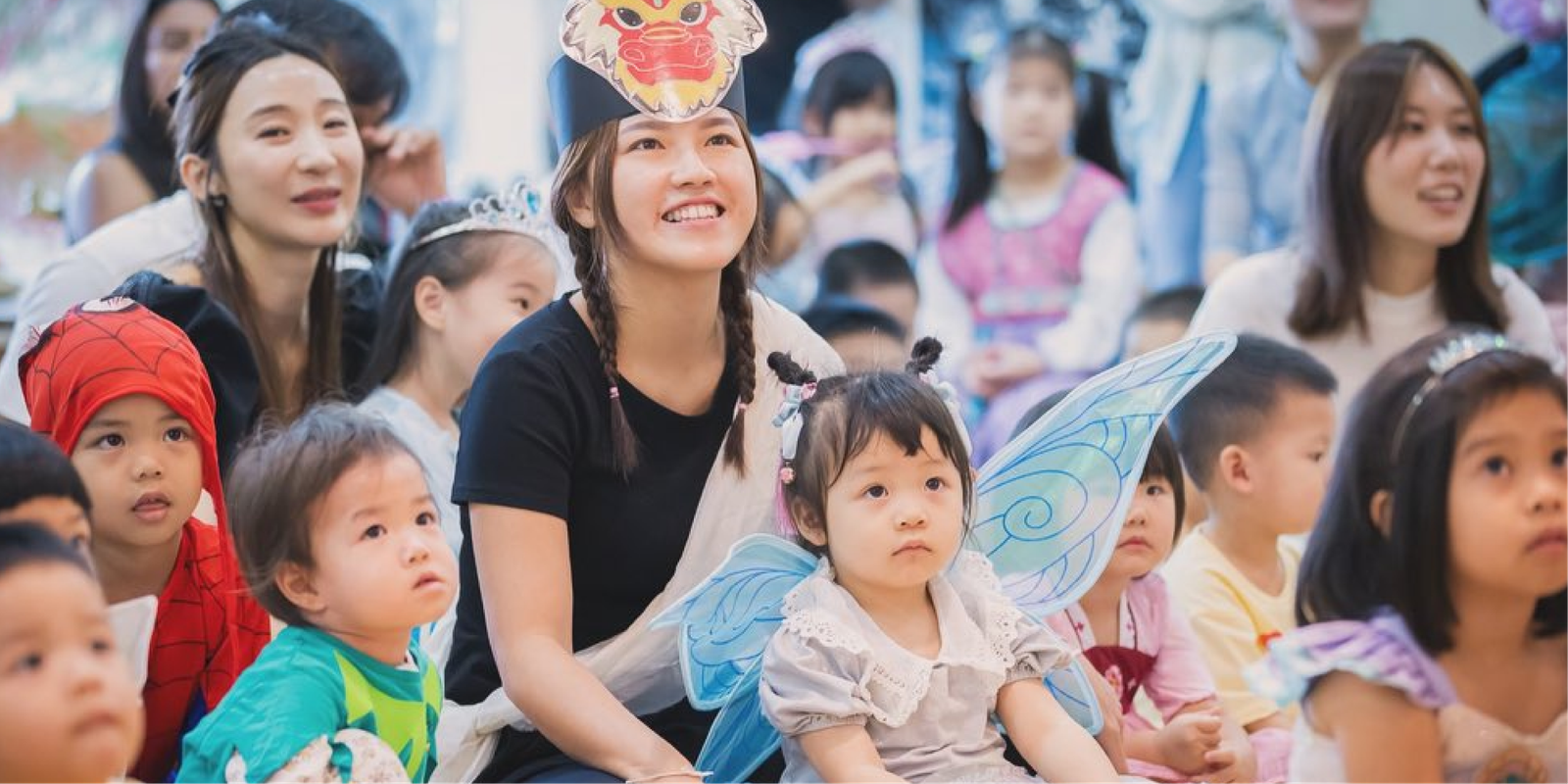
When teachers aren’t overwhelmed by having to deal with too many children, they have more energy for detailed feedback per child or parent. This nurtures the partnership between each child’s home and school guardians, benefiting the child’s development.
Some research on smaller class sizes in early childhood settings suggests benefits for literacy gains in particular. Smaller groups may also make it easier for educators to notice behavioural or emotional challenges early and respond with timely support.
Reading about this may help from a theoretical standpoint, but seeing a lower kindergarten teacher to student ratio in person can give you a much clearer understanding of how it shapes a child’s daily preschool experience.
At Lily Valley Preschool, our low teacher-student ratios allow educators to better support each child’s learning journey, curiosity, and development throughout the day.
Combined with our thoughtfully designed learning environments and play-based approach, small group settings help create a calmer, more responsive space for children to learn and grow with confidence.
Book a school tour today to experience Lily Valley’s preschool environment firsthand!