More Than a Playground: Designing Outdoor Learning Environments for Preschoolers
Outdoor Play and Learning
Last updated on 2 June 2026
 Lily Valley Preschool
Outdoor Play and Learning
Last updated on 2 June 2026
Outdoor Play and Learning
Last updated on 2 June 2026
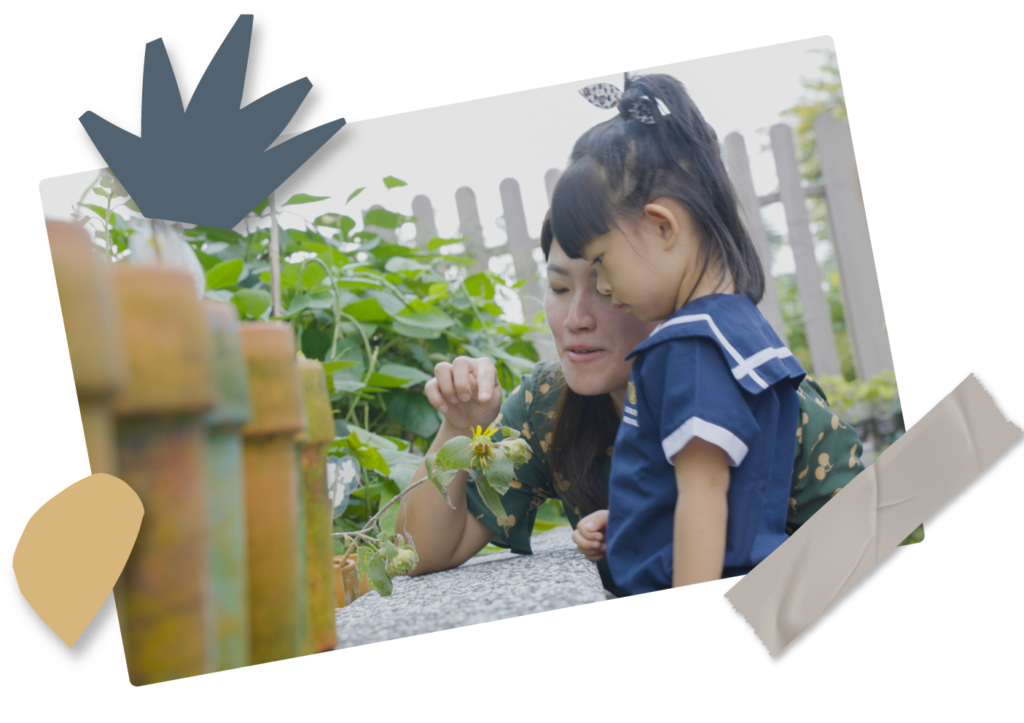
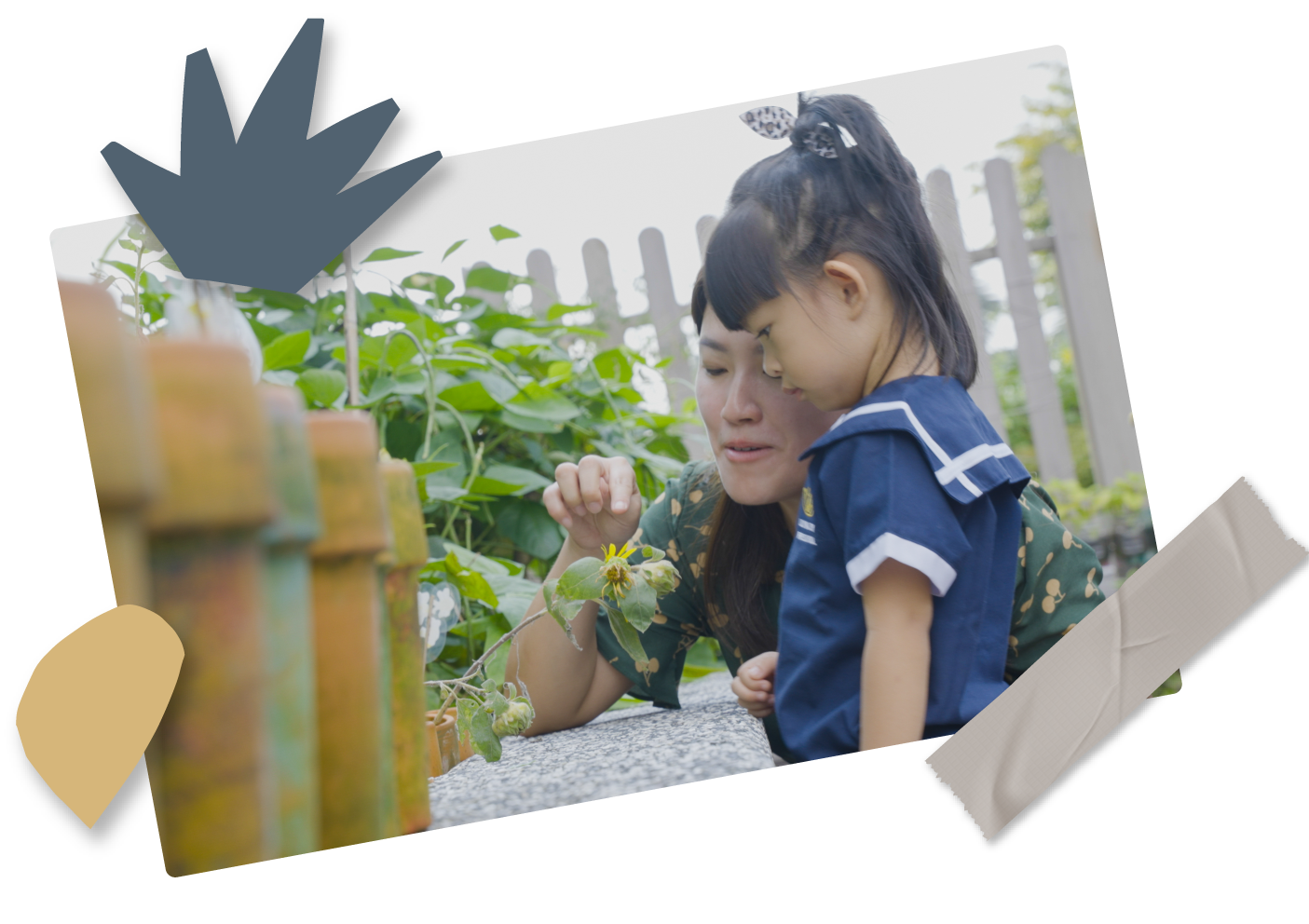
Here’s a common sight when strolling past early education centres on our island: compact outdoor areas with a simple slide or small play setup. In some cases, outdoor space may also be more limited due to urban space constraints.
This raises an important point of consideration for parents. Outdoor time is sometimes viewed mainly as recreation or a break from structured learning, rather than as part of the learning experience itself.
However, thoughtfully designed preschool outdoor play areas can support learning and development in meaningful ways. A well-designed outdoor environment for preschoolers goes beyond play. It actively supports exploration and even academic readiness!
Outdoor learning doesn’t equate to just having a playground within the preschool compound. It’s an intentional extension of the preschool curriculum and the child’s daily learning experiences.
That means the most effective outdoor learning for preschoolers typically happens in areas that have been intentionally designed for it. The materials, the zones, and learning opportunities all contribute to that.
In approaches such as the Reggio Emilia philosophy, thoughtfully designed environments are often described as the “third teacher” because of how they support children’s exploration and learning. They turn into landscapes of learning where children can test theories, solve problems, and collaborate with others.
Beyond traditional playgrounds that most children love, specific elements play a role in a child’s cognitive and social growth. These are the essential components that transform a simple yard into a powerful learning zone.
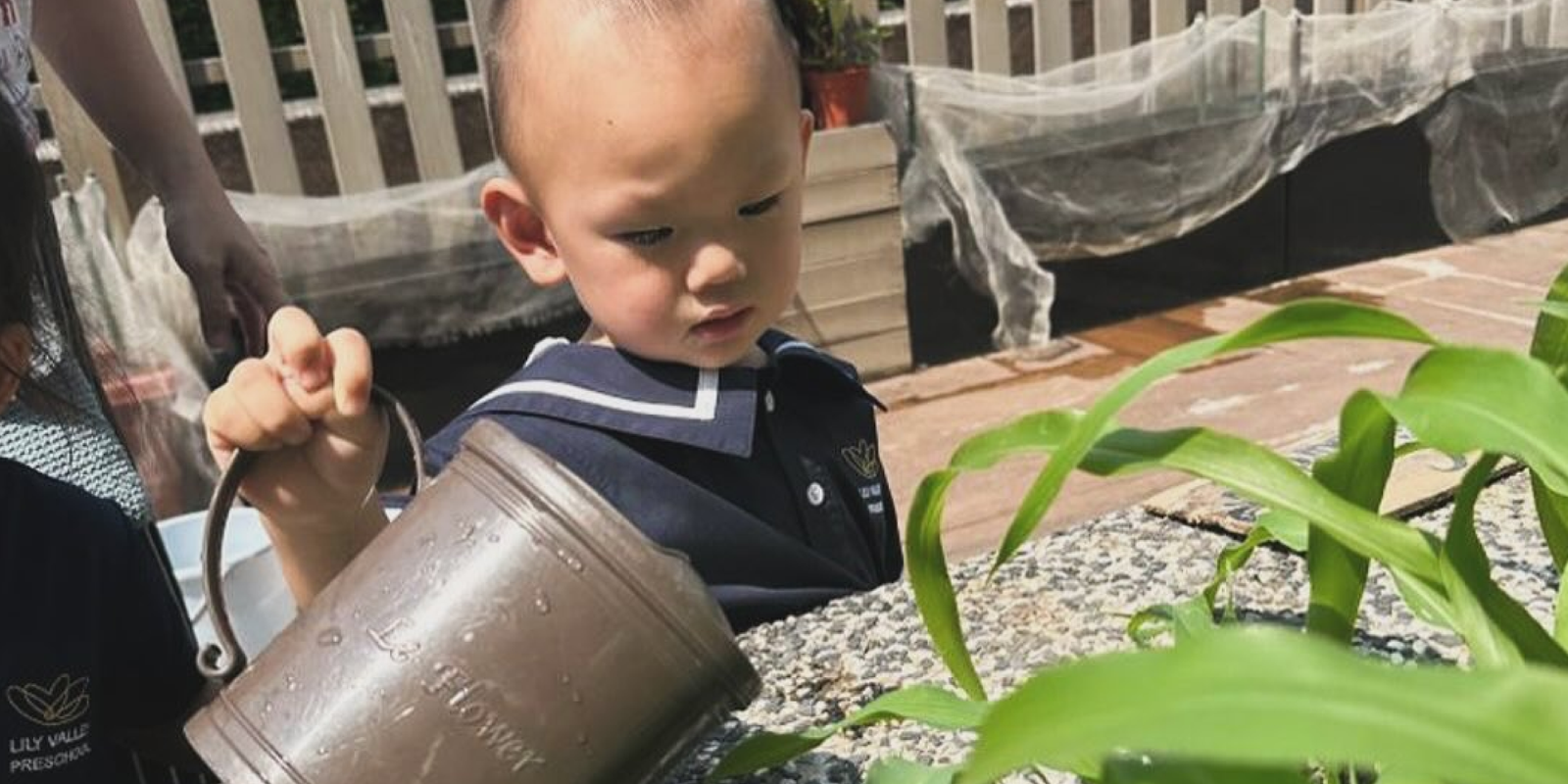
Open gardens, trees, and sand pits invite children to engage with the natural world. They also build observational skills and scientific inquiry as children track things like plant growth or seasonal changes.
At Lily Valley, we incorporate time in our edible outdoor garden into the children’s daily schedules, so they can spend meaningful time exploring the area with peers and develop a deeper connection with nature.
Crates, planks, loose parts, and simple building tools can encourage creativity, experimentation and early construction-based exploration. These let children manipulate their environment to suit their imaginative play or construction goals.
Of course, it’s fairly common for children to encounter challenges in these experiments. Blocks may tumble, or structures may not stay put, for example.
But even these moments have their share of benefits. At Lily Valley, we’ve seen them support problem-solving and perseverance as children test ideas, make adjustments, and try again – skills that can support their transition into more structured learning environments later on.
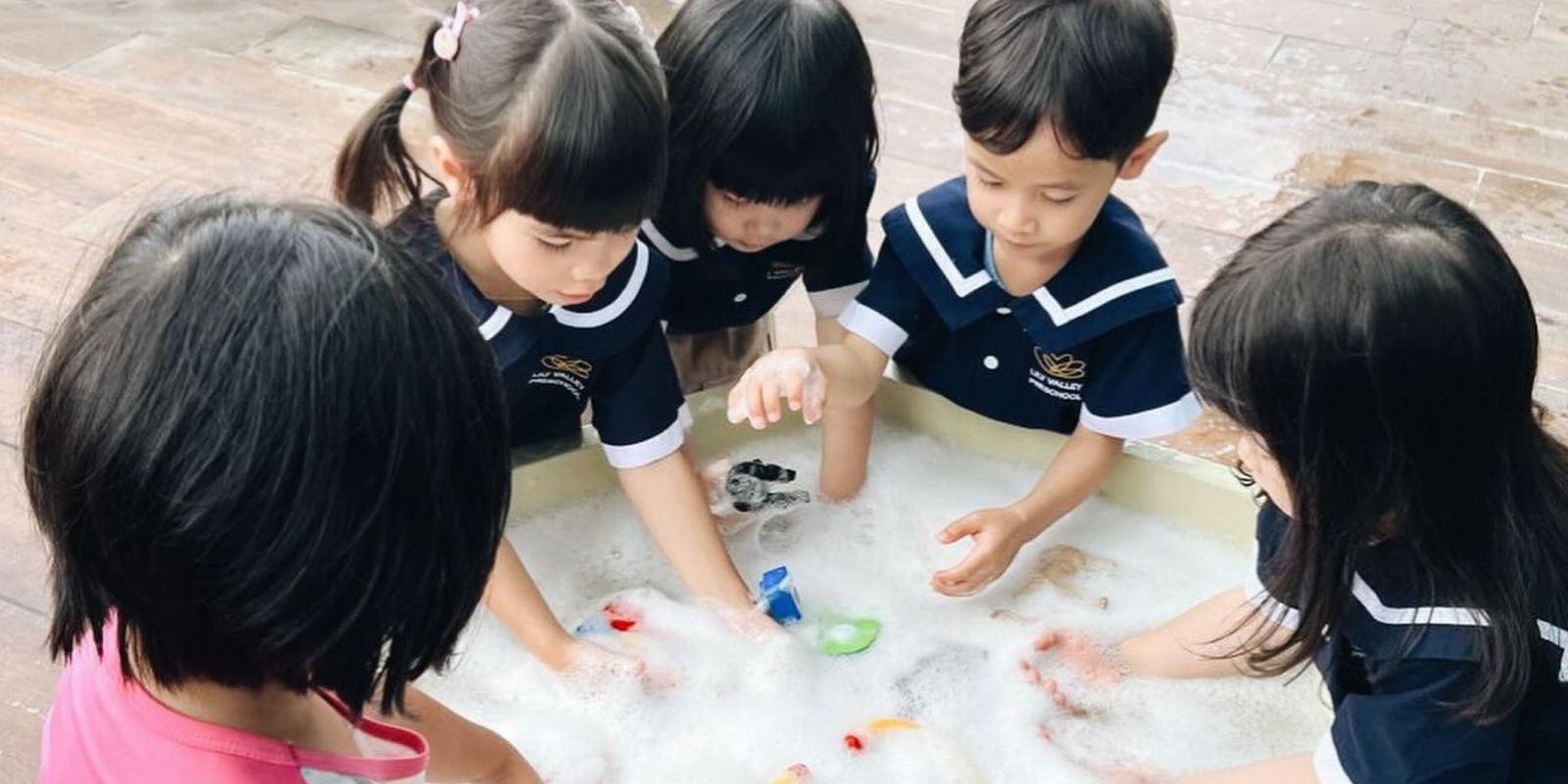
Water play areas and pouring or mixing stations are actually more than places for splashing or getting wet.
Through the materials in these play areas, children can explore concepts like volume, buoyancy, and flow via hands-on experimentation. That’s why we have a dedicated water play area at Lily Valley Preschool!
It has structured setups designed for exploration and guided sensory play. During these experiences, little ones come to understand things like density in engaging ways that books can’t replicate.
Large open outdoor play areas are excellent for gross motor development and enrichment activities like sports or dance. Such spaces can even be transformed daily to meet specific learning objectives or physical goals.
At Lily Valley, we have a large open boardwalk area next to our centre that extends our learning space, along with dedicated outdoor play areas with mini-tunnels, ramps and more within our preschool area.
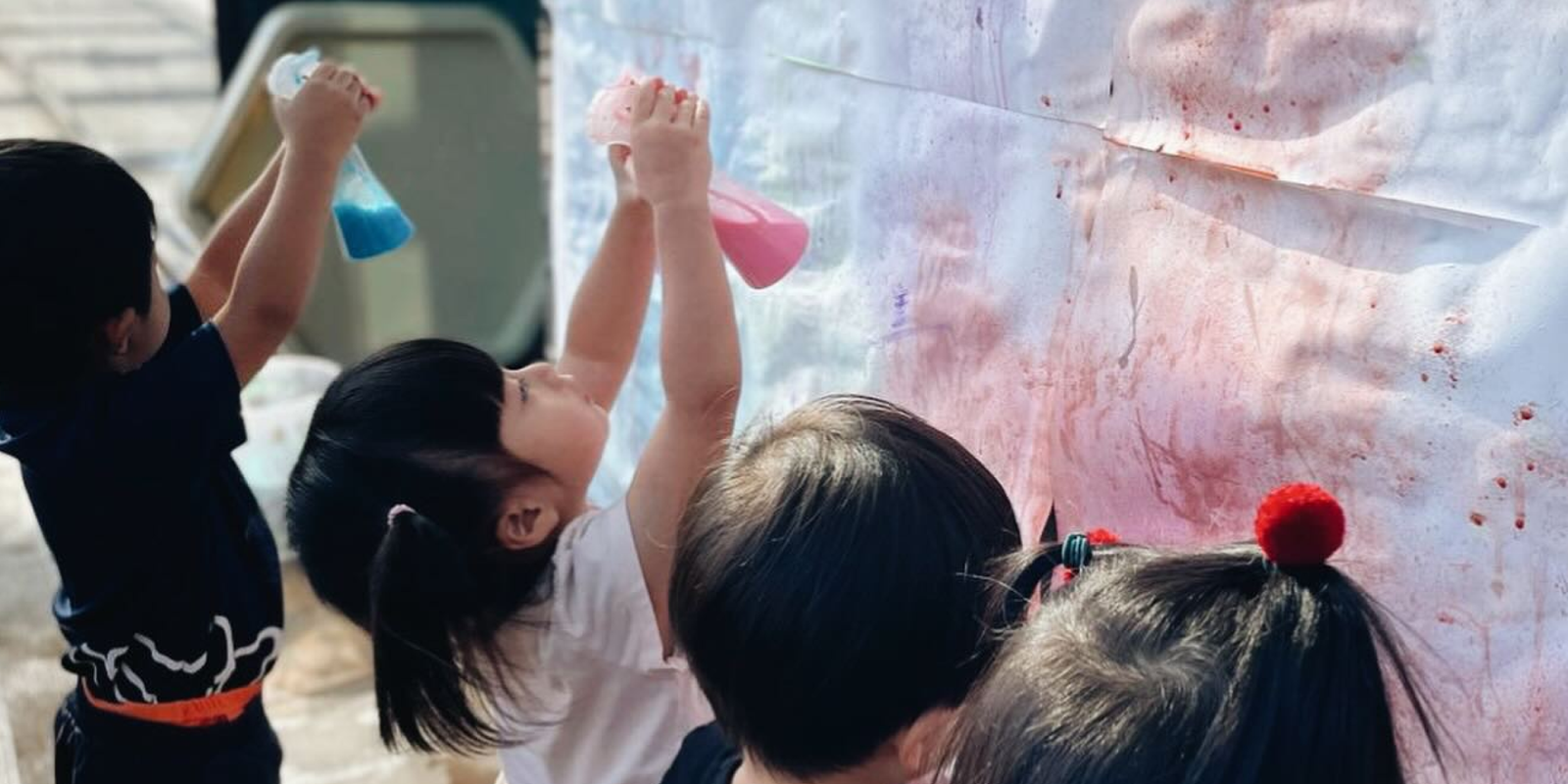
Ultimately, the ideas for outdoor learning environment design are focused on benefits that the children get through play, direct observation, and hands-on experiences.
Children learn to focus better, improve their health, and can even gain benefits like reduced myopia risk with regular and safely guided outdoor time.
Outdoor experiences can also help support executive function skills, which are linked to learning readiness, while strengthening social confidence through peer interaction and collaborative play.
Lily Valley prioritises such experiences for these reasons, despite our location in Singapore’s CBD. We ensure our centre design provides ample outdoor spaces and experiences for our little ones, supporting natural discovery, movement, and inquiry-based learning for each child.
The best way to understand the impact of a thoughtfully designed outdoor learning environment is to see it in action. When you see how children interact with these spaces, it gives you a glimpse into the development taking place, and an idea of how your own child could benefit from it!
Book a school tour at Lily Valley to see how our play-based approach and environments can support your child’s long-term holistic growth.