Inside the Play-Based Preschool Philosophy: How Play Fuels Lifelong Learning
Play-Based Approach
Last updated on 3 Nov 2025
 Lily Valley Preschool
Play-Based Approach
Last updated on 3 Nov 2025
Inside the Play-Based Preschool Philosophy: How Play Fuels Lifelong Learning
Play-Based Approach
Last updated on 3 Nov 2025
The early childhood years are a crucial time for development. They encompass the time during which a child builds the foundation for all future learning.
During this period, essential habits and the beginnings of core skills are formed. Children start to discover the merits of resilience, for example, or of problem-solving challenges.
They do this through play, which is actually a key element for learning. Some parents may wonder about that, but at Lily Valley Preschool, we see it ourselves. Play is the vehicle through which young ones learn, especially when it’s purposeful and guided.
In this article, we’ll explain what the philosophy means, how it looks day to day, and why it fosters lifelong learning.
A play-based preschool philosophy is rooted in the idea that children learn best when actively engaged in play and supported by skilled teachers who scaffold their learning.
This means that educators help extend and deepen the spontaneous discoveries children make in play. This is as opposed to traditional learning philosophies that involve teachers simply lecturing or giving instructions.
This is not aimless playtime either. Play in this case is intentional, structured, and rooted in proven early childhood pedagogy.
This philosophy shapes the entire learning environment. It transforms classrooms into spaces of infinite potential.
At Reggio Emilia-inspired schools like Lily Valley, it can be seen in the inclusion of specially designed areas, like our learning ateliers. These offer focused exploration, play opportunities, and child-led discovery that lead to learning with the help of teacher guidance.
The play-based model has distinct elements that differentiate it from traditional, structured academic programmes. These pillars ensure that the learning process is not just engaging, but also holistic and deeply child-centred.
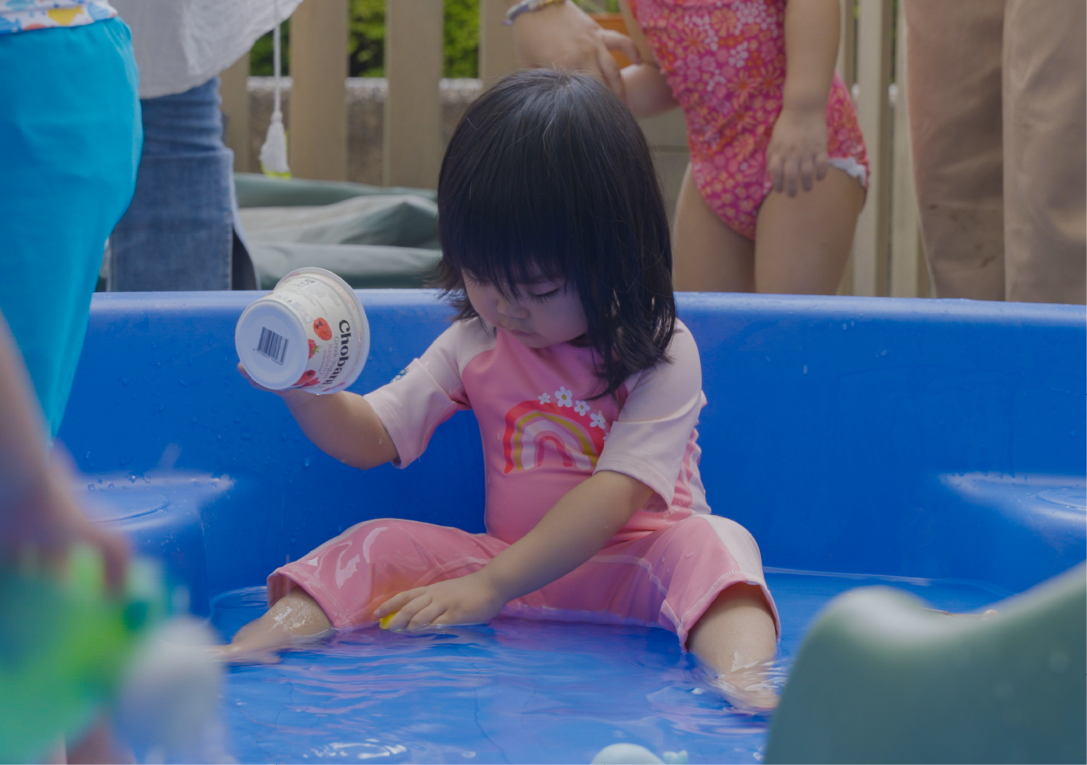
Children inherently thrive when given the freedom to explore their natural interests and make their own choices. Nurturing autonomy in this way is crucial. It fosters independence and the development of an intrinsic motivation to learn more.
At Lily Valley, we design our classrooms with multiple play zones to encourage this. We have everything from Light Ateliers, where children can experiment with shadows and transparency as well as designated construction corners for creativity.
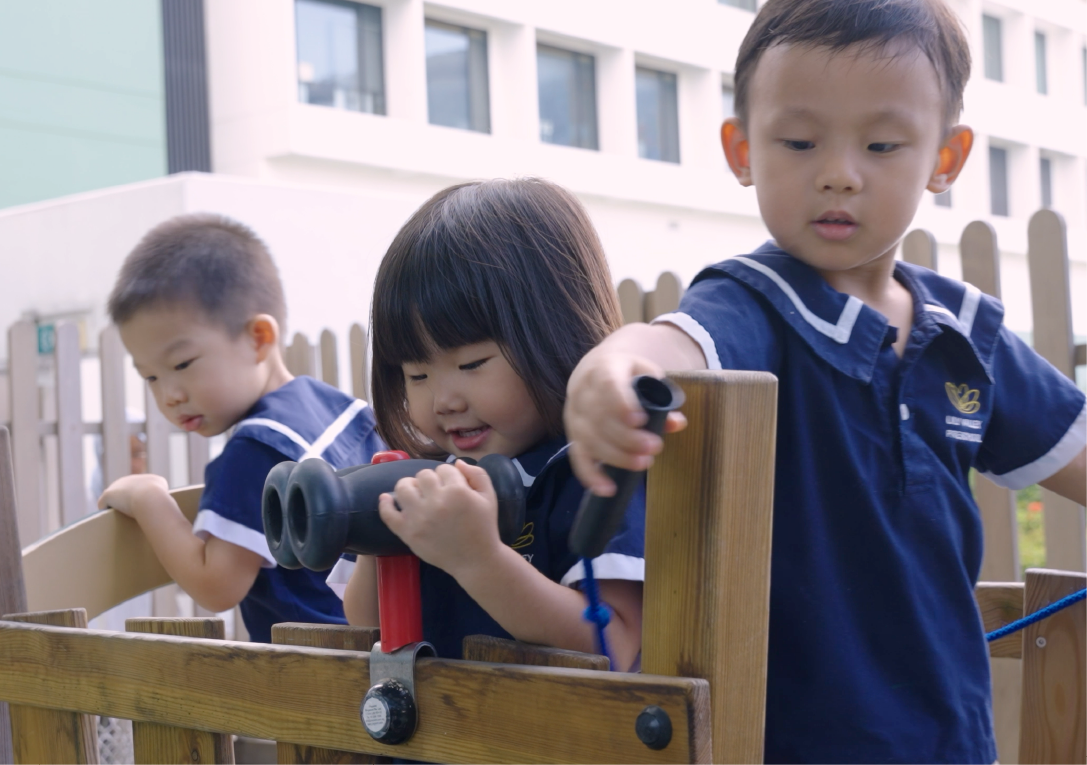
Pretend play is a powerful tool. It helps children understand and internalise the world around them in a safe, imaginative space.
When children engage in role-play in our preschool, we see them have fun while learning skills like empathy and problem-solving. They also learn how to communicate better with others.
Play in this case becomes a hands-on experience that lays the foundation for practical life skills in an enjoyable way.
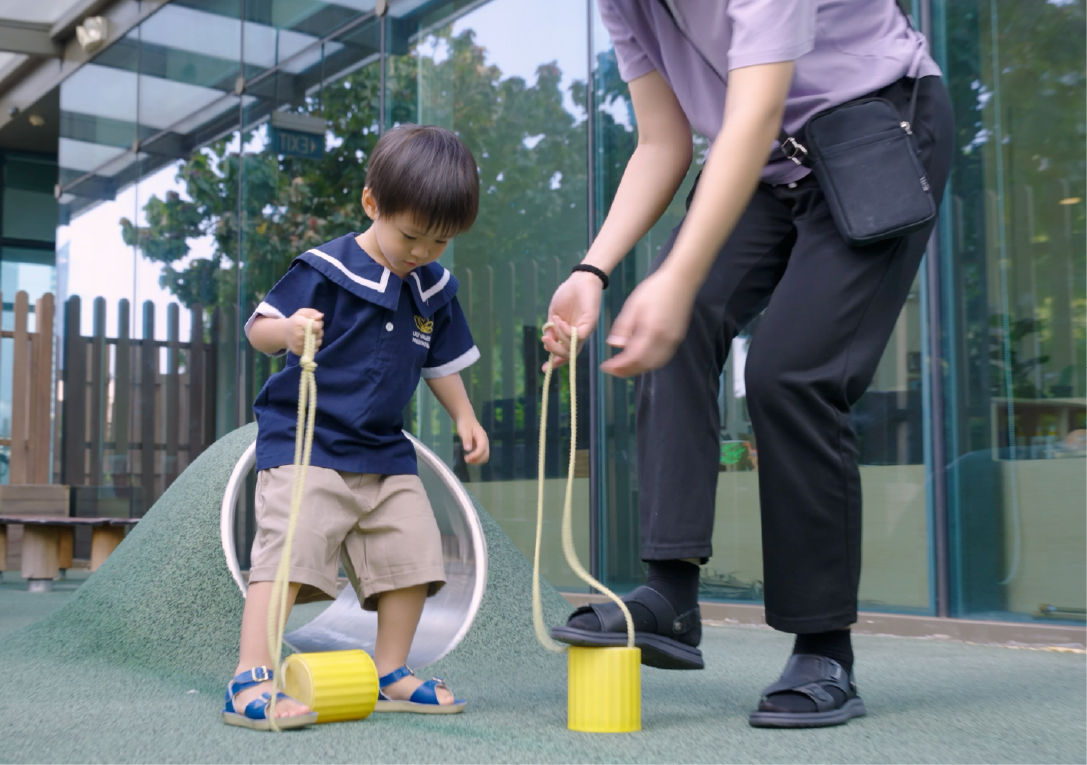
In a play-based setting, educators are observers and facilitators. They are not lecturers who simply deliver a fixed curriculum and lecture in front of a classroom as students take notes.
Instead, they observe children at play, then act to support the process of discovery and experimentation within that play. They introduce new materials, thoughtful prompts, or open-ended questions to extend learning.
At Lily Valley, our teachers might observe children building a tower with construction materials. They may offer a prompt from there: “How can we make it taller without it collapsing?”
This may spark more sophisticated problem-solving from the learners, who will now use problem-solving to embark on an engineering challenge.
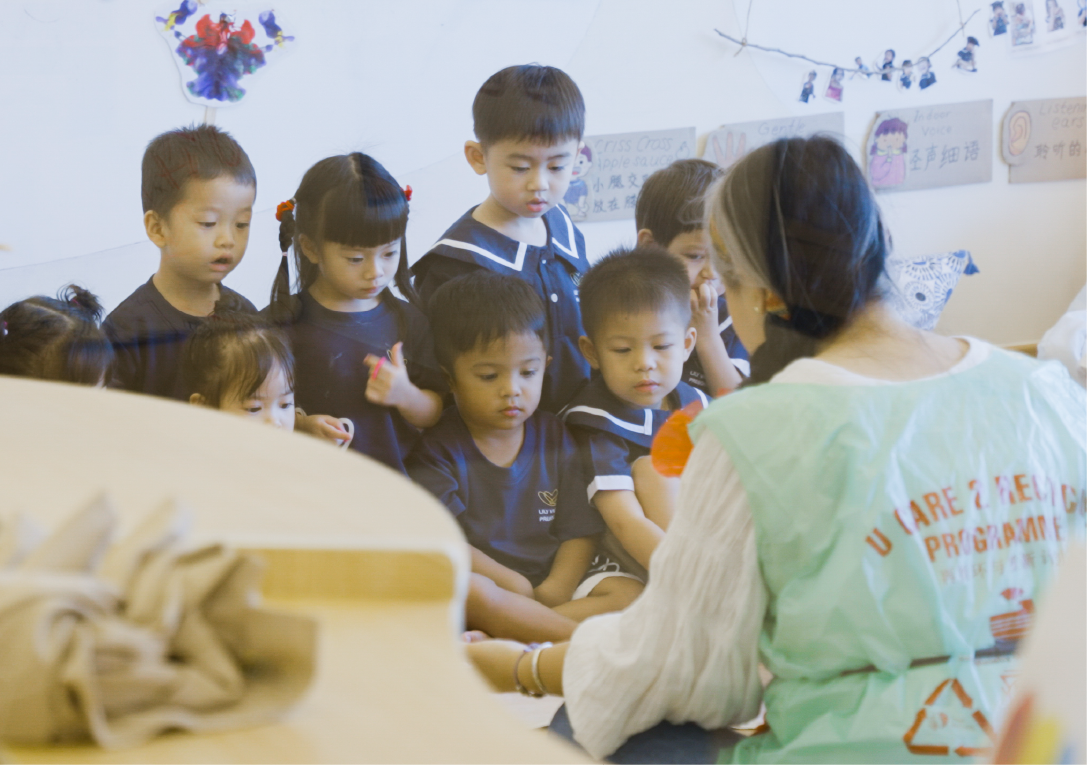
Even with children leading the direction of play, a skilled teacher can embed lessons for subjects like literacy and numeracy into activities. Storytelling sessions can become chances for socio-emotional lessons. Atelier projects can lead to higher numeracy.
This balances child-led play with guided and intentional teaching. The result is a space where children can have fun in spontaneous and joyful ways while still learning academics.
The play-based preschool philosophy nurtures children holistically – cognitively, socially, emotionally and physically.
At Lily Valley, this isn’t just theory. It’s embedded in every classroom, every atelier, and every routine. This turns play from something previously seen as downtime into an engaging method of preparation for a lifetime of curiosity, adaptability and confidence!
If you’re ready to see purposeful play in action, contact us at Lily Valley Preschool. Schedule a tour of our facilities and you’ll see how it can unlock your child’s fullest potential!
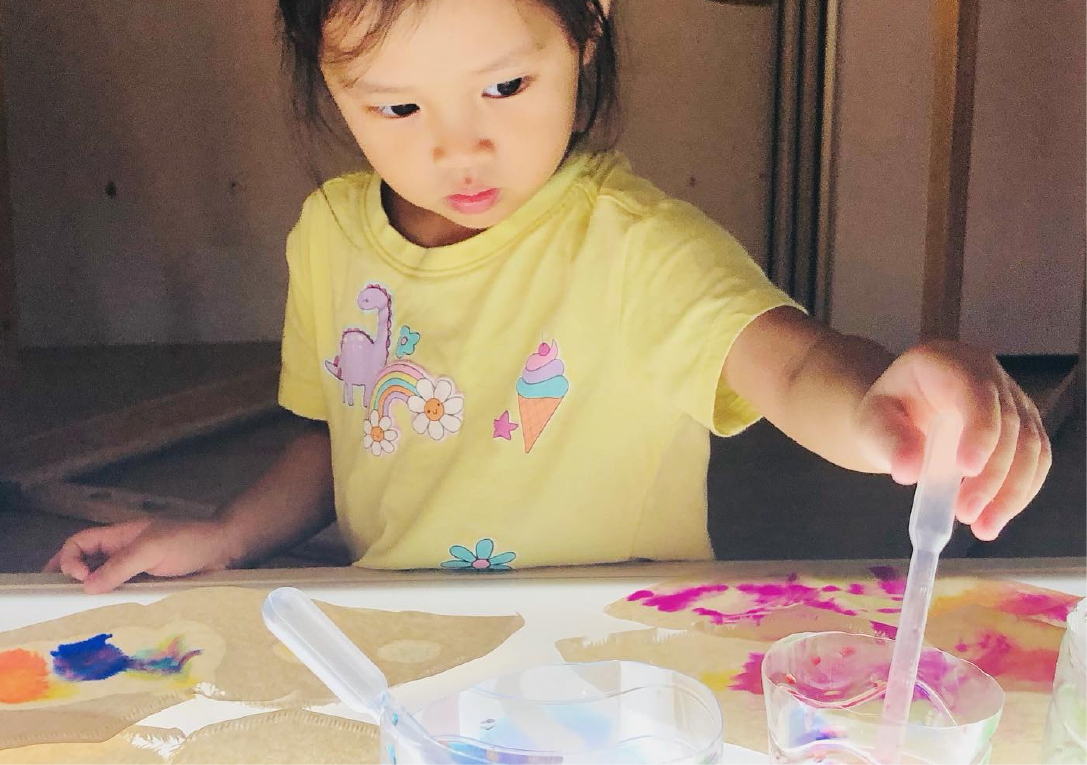
Play stimulates brain connections, which helps children develop crucial critical thinking skills. In our own Art Atelier, children can play with various materials to learn about things like cause and effect, material properties, and solving visual problems.
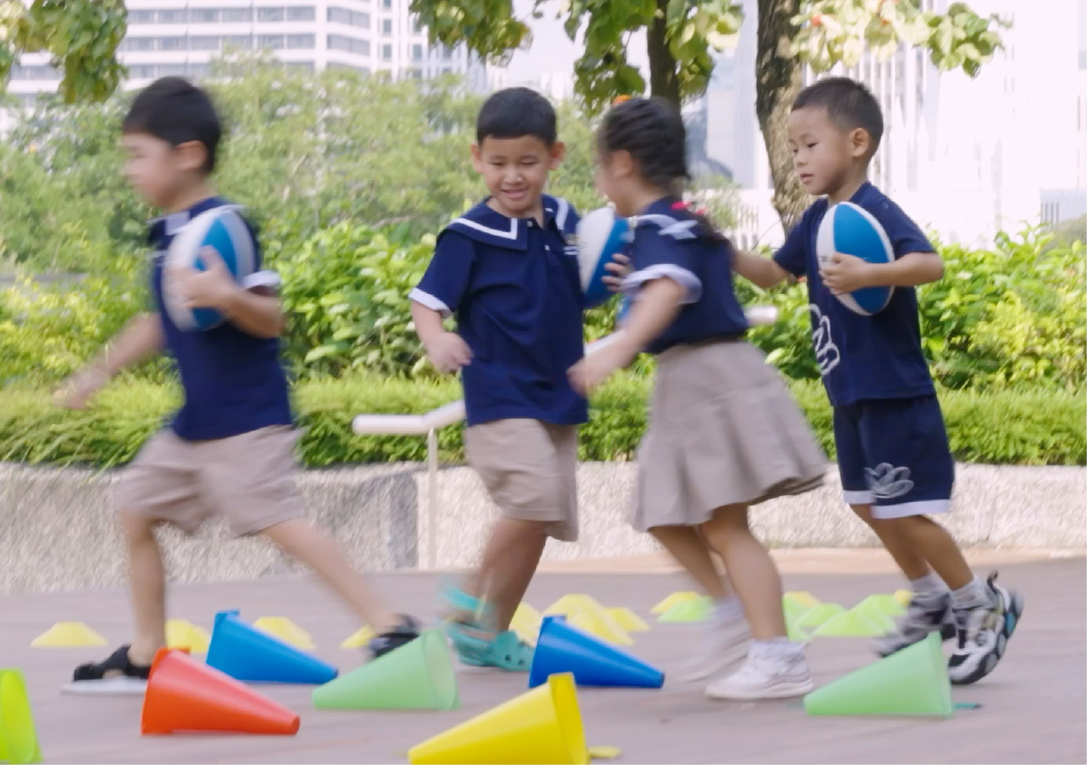
Group play is the original learning space for teamwork, turn-taking, and resilience. Working on shared projects or engaging in collaborative play requires negotiation, resource-sharing, and other skills crucial to socio-emotional growth.
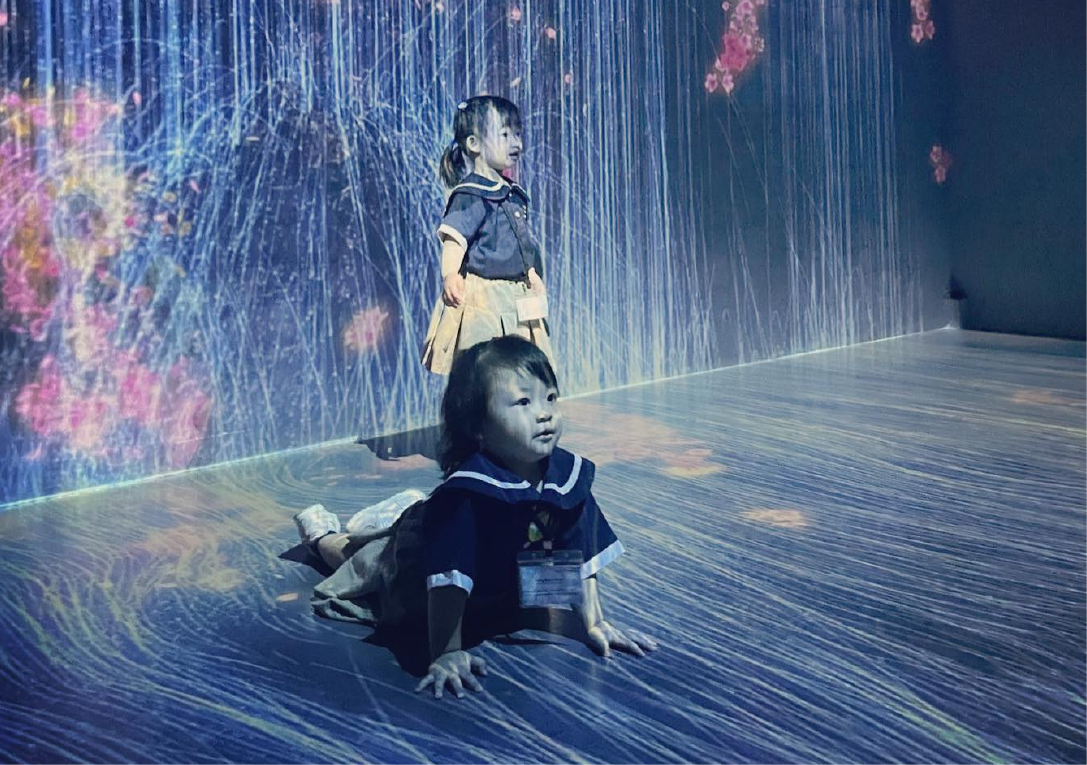
Unlike a solely academic programme relying on rote memorisation, play-based learning can embed academic concepts seamlessly into engaging activities.
Children learn numeracy by counting play materials before sharing them. They learn literacy by recognising letters or writing them when labelling collaborative art projects.
In our preschool, they even develop bilingual skills naturally through songs, dramatic role-play, and teacher-child conversations.
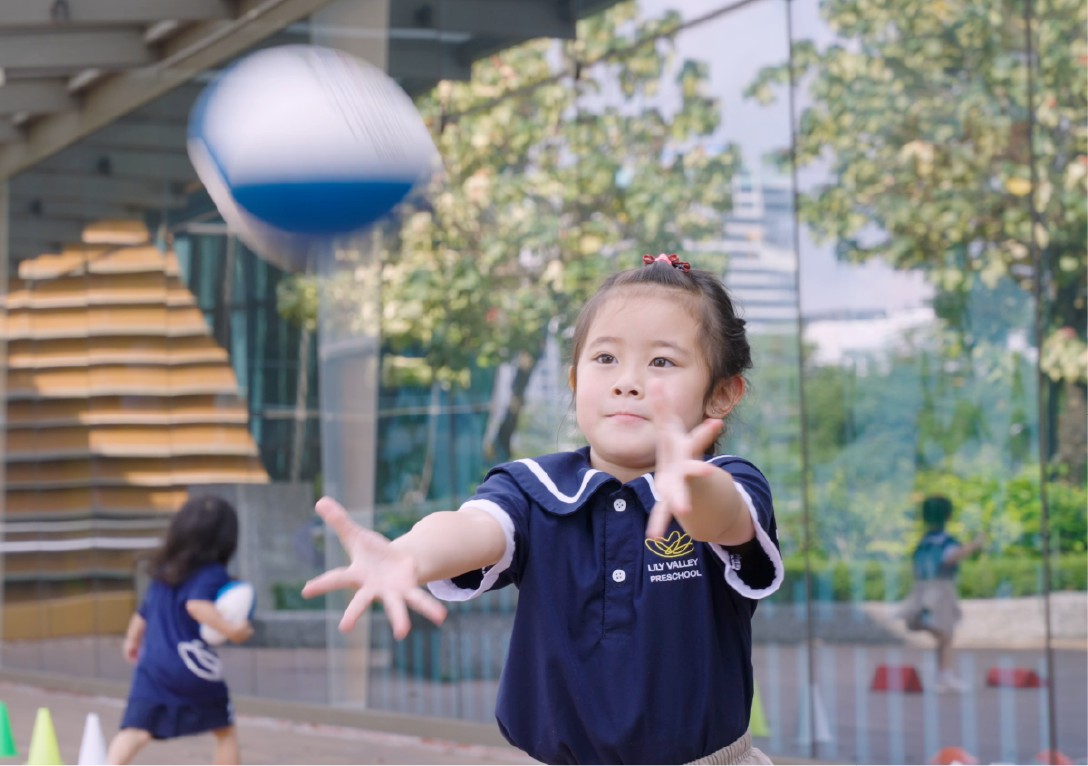
Gross motor play like running or outdoor exploration builds strength and coordination. Fine motor play such as cutting and drawing develops hand dexterity for writing.
Play-based curricula naturally support activities that allow children experiences like these. It makes physical development part and parcel of their preschool life.
Research consistently shows that a high-quality play-based curriculum supports development across all domains. Learning is more than academic – it covers the cognitive, social, emotional, and physical aspects of development.
Play supports holistic growth, and at Lily Valley Preschool, we see it daily.
Children playing with blocks together can improve their fine motor skills, for example. At the same time, they develop their language and social skills through interactions with playmates.
They even strengthen cognitive growth by learning to count blocks or engineer structures with them!
Our teachers also receive training to ensure that every playful moment is a learning moment. This makes play truly meaningful and helps us guide children into taking advantage of all opportunities to grow.