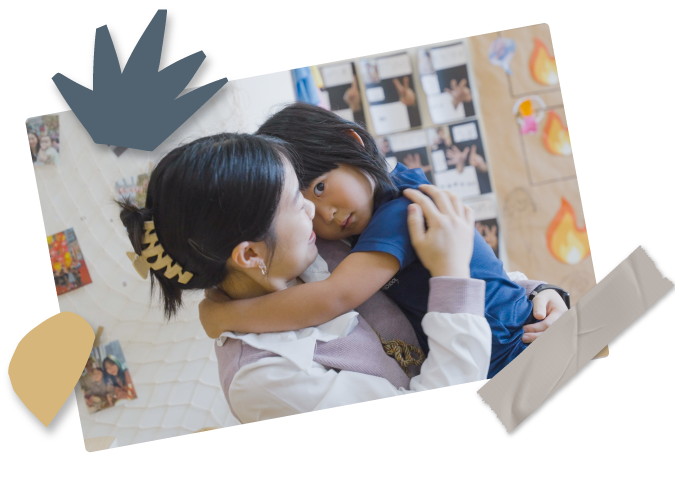
What Is the Teacher's Role in the Reggio Emilia Approach? A Guide for Parents
Reggio Emilia Approach
Last updated on 15 September 2026
 Lily Valley Preschool
Reggio Emilia Approach
Last updated on 15 September 2026
Reggio Emilia Approach
Last updated on 15 September 2026
If you’ve been reading up on Reggio Emilia-inspired preschools, you’ve probably come across phrases like child-led learning and teachers as facilitators. It’s easy to assume this means teachers step back entirely in such preschools, leaving children with no guidance.
This can be a misconception, however. In the Reggio Emilia approach, teachers remain closely involved in children’s learning – their role is simply different from that of a traditional instructor.
The Reggio Emilia approach emerged in Reggio Emilia, Italy, following the Second World War, with educator and philosopher Loris Malaguzzi becoming one of its central figures.
The approach is informed by the belief that every child is capable, curious, and expresses ideas through what Malaguzzi called “a hundred languages”. These include drawing, movement, words, and more of the ways children explore and engage with the world.
Teachers in Reggio Emilia aren’t simply instructors standing at the front of the room and delivering facts. Their role includes observing, listening, collaborating and guiding children’s learning, while designing environments and experiences that support exploration and inquiry.
Their focus is on creating meaningful experiences while helping children explore the ideas that genuinely interest them. If you’d like the fuller picture, our Reggio Emilia Approach page is a good place to explore the pedagogy in earnest.
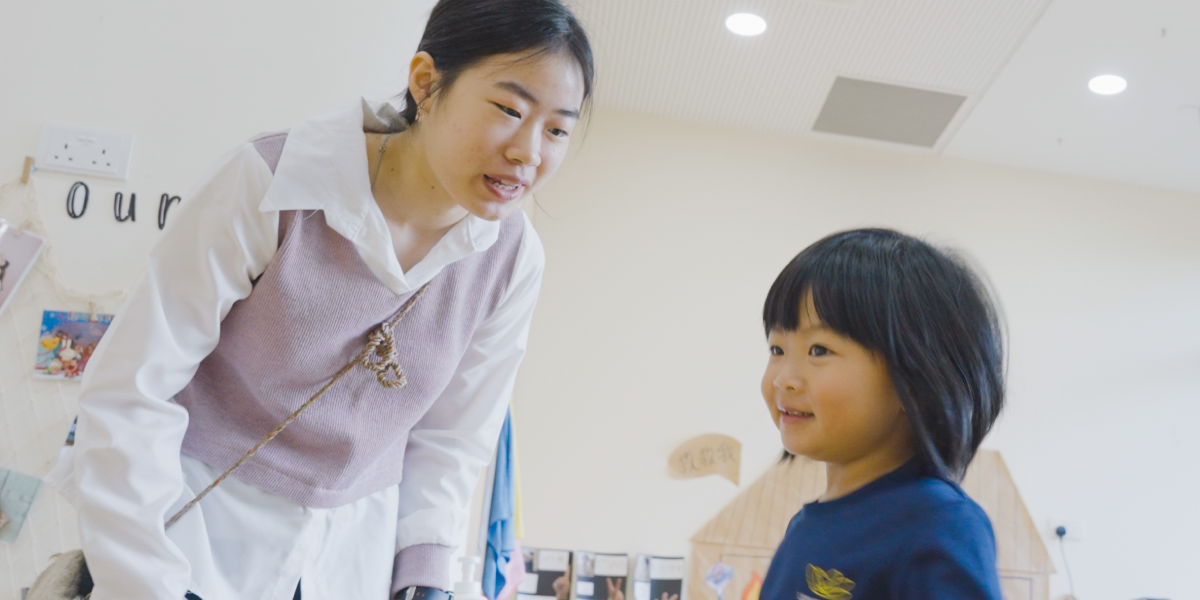
In practice, this view of the teacher’s role can be seen in several aspects of everyday learning.
In the Reggio Emilia approach, educators pay close attention to children’s interests, questions, interactions and ways of working as they consider how learning might be extended. They note what children are curious about, what questions they ask, and how they interact with materials and friends.
This helps educators build on genuine curiosity rather than rushing in with ready-made answers.
At Lily Valley Preschool, our teachers use these observations to shape projects and activities around what our children are actually interested in, not a fixed worksheet.
Rather than immediately providing an answer, teachers may use open-ended questions such as “What do you think will happen?” or “How could we find out?” to encourage children to develop and test their own ideas.
Even when a child doesn’t arrive at the “correct” answer straightaway, our teachers value the thinking process itself. It builds confidence and curiosity, as well as a child’s independence.
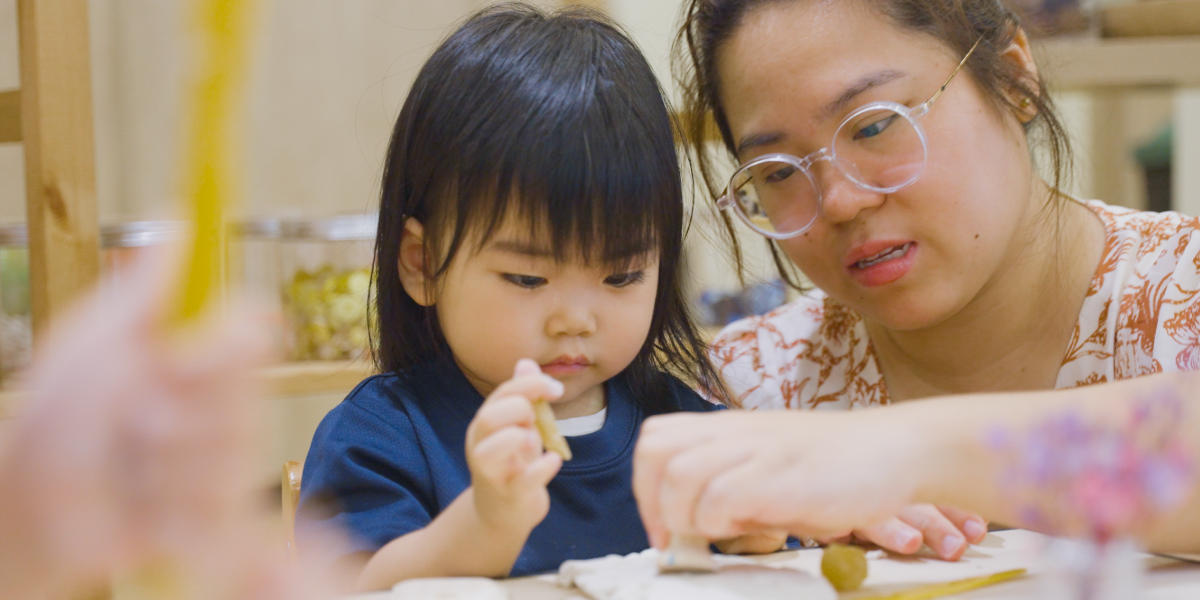
The environment is an important part of the Reggio Emilia approach and is sometimes described as a “third teacher”. Teachers carefully choose materials, layouts, and provocations that invite children to investigate independently.
At Lily Valley, this takes shape through specialised ateliers, which are dedicated studio spaces for learning. Our Light Atelier gives children opportunities to investigate light, shadow and visual effects, while our Indoor Edible Garden introduces them to planting, growing and caring for plants.
We also have an Art Atelier that turns paint, clay, and wire into tools for self-expression. And that’s still only the beginning!
Children develop at different paces and follow different interests. As such, teachers adjust their guidance rather than expecting every child to reach the same outcome the same way.
Educators in Reggio Emilia celebrate different ways of learning instead of identical results. That’s also why a low teacher-to-child ratio matters here.
At Lily Valley, our smaller class ratios give teachers more meaningful time to observe and support each child. It lets them better adjust their guidance to each child’s confidence and stage of development.
In a mixed-ability classroom, this might mean one child spends the morning deep in a block-building project while another explores mark-making at the art table. Both can become meaningful pathways for learning, with teachers responding to each child’s interests and ways of engaging.
Documentation is a defining practice of the Reggio Emilia approach. It helps make children’s learning processes visible to children, educators and families, while also supporting reflection and informing how learning experiences are developed further.
It may take the form of photographing learning or creations. It could also be records of conversations with or among the little ones. In some cases, it’s collecting the children’s work.
At Lily Valley, documentation may be shared through learning journals, exhibitions and other opportunities for families to see children’s learning processes and projects develop over time.
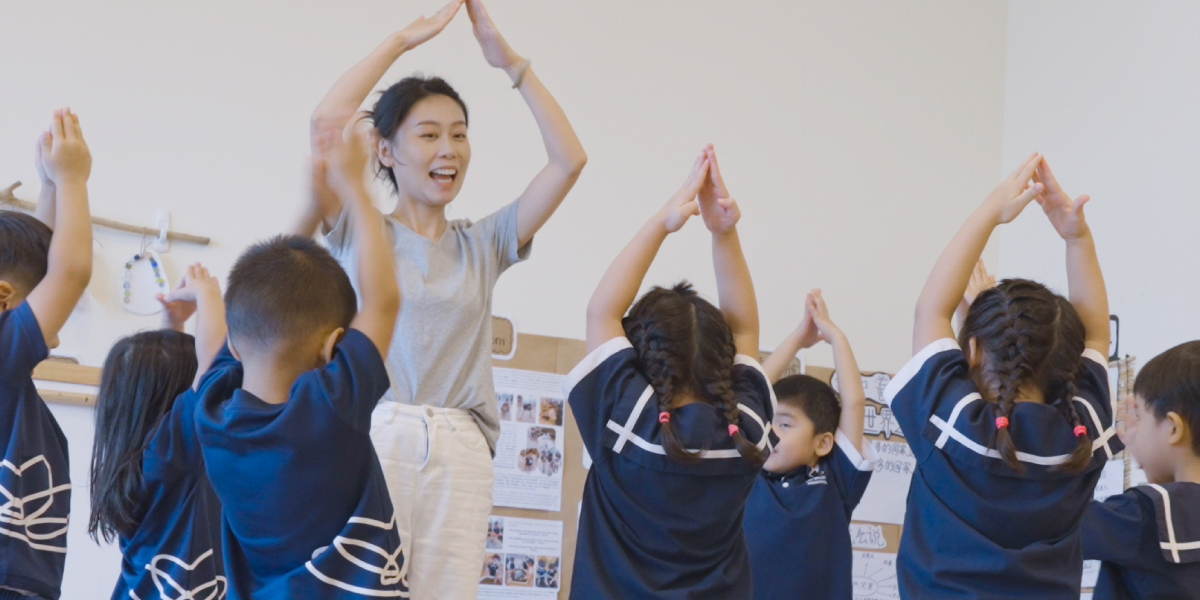
Although a Reggio Emilia-inspired classroom may look different from a more traditional one, the approach aims to develop children as active, capable learners while supporting a range of skills that are important for their continued development.
At Lily Valley, our teachers do far more than supervise or instruct. They observe, guide, encourage, prepare inspiring environments, document learning, and more.
Paired with thoughtfully designed spaces and a low teacher-to-child ratio, this gives every child real opportunities to grow. If you’d like to see the Reggio Emilia approach in action and meet our teachers in person, we’d love to show you around. Book a school tour today!