Conversing, Acting, and Playing: The Path to Bilingual Confidence
Play-Based Approach
Last updated on 05 February 2026
 Lily Valley Preschool
Play-Based Approach
Last updated on 05 February 2026
Reggio Emilia Approach
Last updated on 05 February 2026
Many Singaporean families hope their children grow up comfortable and confident in both English and Mandarin.
Unfortunately, some of them try to make that happen by forcing traditional bilingual lessons on them.
The problem with this approach is that language doesn’t start with memorising flashcards. It begins with talking, acting, playing, and having meaningful experiences.
Children learn best through interactions that make sense to them and become references for their usage of a language.
At Lily Valley, you can see this in our approach. We provide warm, exploratory preschool experiences where children learn languages naturally.
In our themed spaces, children learn through stories, play, and cultural engagement. They discover the language through thoughtful scaffolding within a bilingual preschool curriculum.
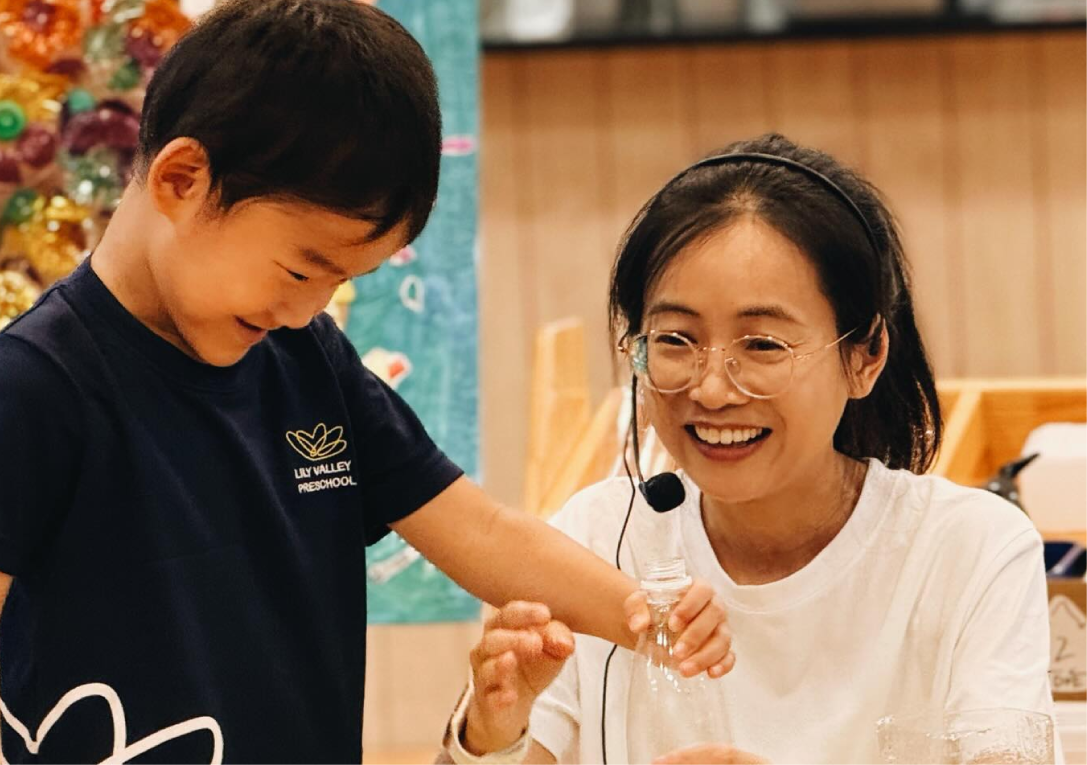
Young learners acquire language the way they acquire everything else. They do it through real conversations, routines, and shared moments.
Effective Chinese preschool teachers use the language naturally with children during everyday experiences. This puts comprehension before output, and helps children learn tone, rhythm, gestures, and meaning from authentic interactions.
Our Mandarin Immersion Program is based on interaction and engagement, which is one of the most effective ways for kids to learn Mandarin. It begins with developing four essential components: speaking, listening, reading, and writing.
Children develop confidence through interactive games, rhymes, songs, conversation moments, drama, and role play. They practise expressing themselves naturally in Mandarin at school and at home.
Teachers bring stories to life through dramatisation, idioms, expressive reading, and movement. These expand imagination, deepen vocabulary, and build comprehension.
Children learn stroke sequences and character structures. Over time, children may begin constructing simple sentences and stories.
Writing becomes free expression, not pressure. This promotes their creativity and confidence in using the language for communication.
Shared reading sessions help children recognise Chinese characters, understand context, and strengthen comprehension through vocabulary exploration and guided questioning.
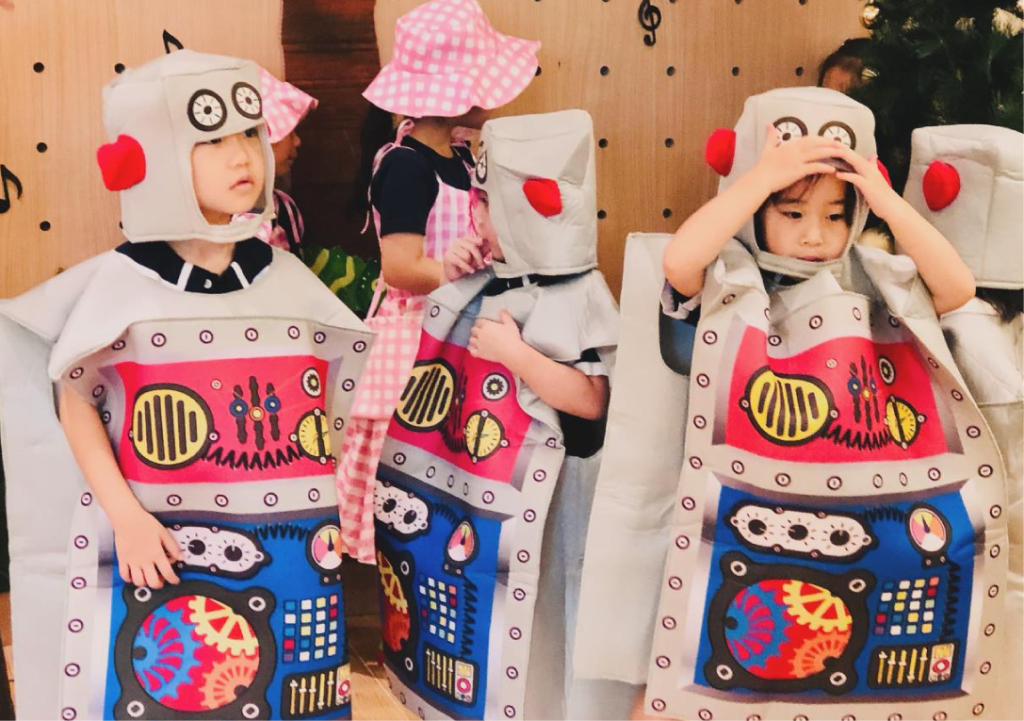
Pretend play is one of the strongest catalysts for bilingual development. Children build natural communication skills as they take on roles, recreate real-life situations, and use meaningful Mandarin vocabulary within clear contexts.
This supports the development of sentence structure, expressive language, tone understanding, and emotional vocabulary in a natural way. It simulates situations where children can practise all of these concepts safely.
We see this ourselves in Lily Valley’s Mandarin Speech and Drama programme. In it, role play, music, movement, and performance help children develop confidence in speaking Mandarin.
This aligns with our bilingual preschool curriculum, which integrates Mandarin into collaborative play and daily interactions.
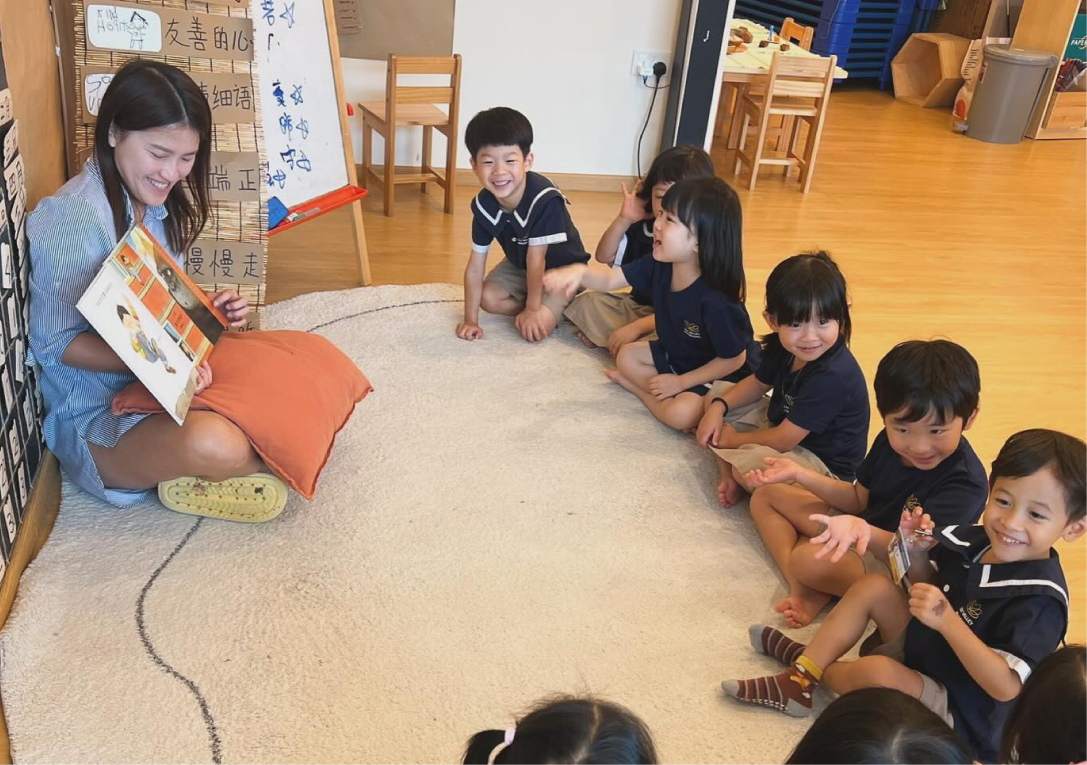
Storytelling has long been one of the most effective ways to learn Chinese for kids. It’s because it gives them an easy way to absorb rhythm, sequencing, tone, and vocabulary – all while staying interested and engaged!
Varied texts that appeal to children are good options, and picture books, songs, poems, and rhymes can work too. Pairing actions or dances with the songs can also help contextualise and cement the meaning of the words.
Teachers dramatise stories to make language learning more engaging and memorable for young learners. They use props and puppets, and even invite prediction, questioning, and retelling in Mandarin.
Children respond not because they are told to but because the narrative engages them. This happens naturally and intuitively, providing a smoother approach to language learning than memorisation.
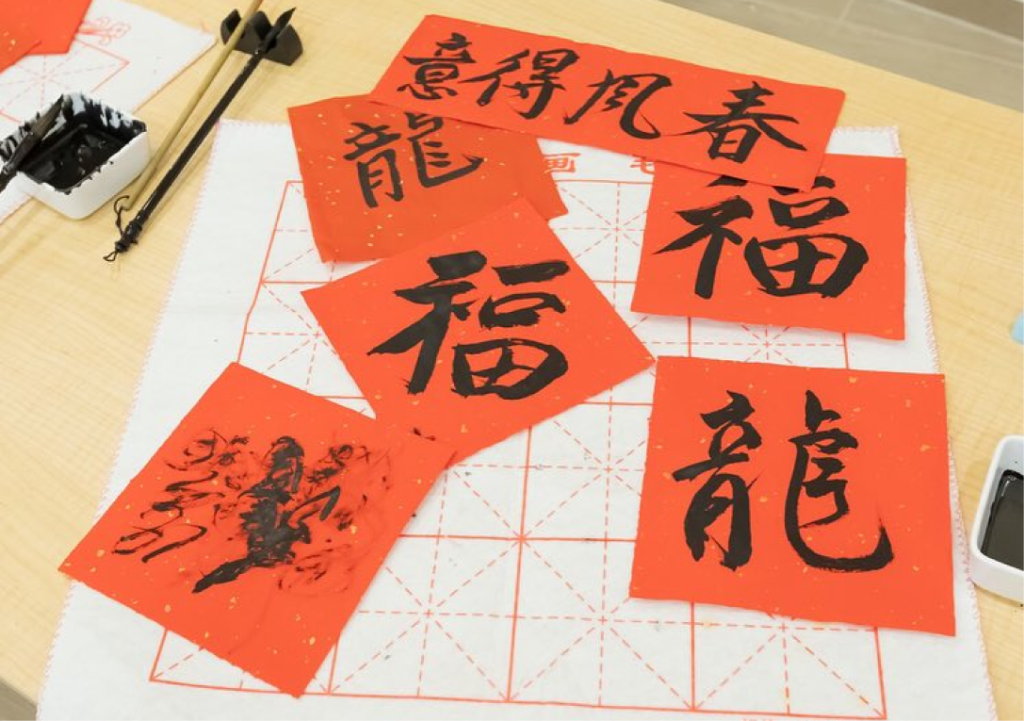
At Lily Valley, we believe in the value of cultural literacy for linguistic appreciation. There are values and traditions behind every language.
That’s why we provide active engagement for children in Chinese cultural experiences as part of our approach to bilingual skill-building. Children explore cultural festivals, traditions, celebrations, and moral values through hands-on activities.
Themes include diversity, family stories, traditional arts, Chinese New Year rituals, Mid-Autumn festivals, and community involvement projects. We even have specially designed spaces that support these cultural explorations:
Cultural literacy deepens children’s relationship with the language, helping them learn Chinese not only as a subject but as a living culture.
As Reggio Emilia educator Loris Malaguzzi once said, “Our task is to help children communicate with the world using all their potential, strengths and languages.”
This philosophy aligns with Lily Valley’s commitment to nurturing confident bilingual learners.
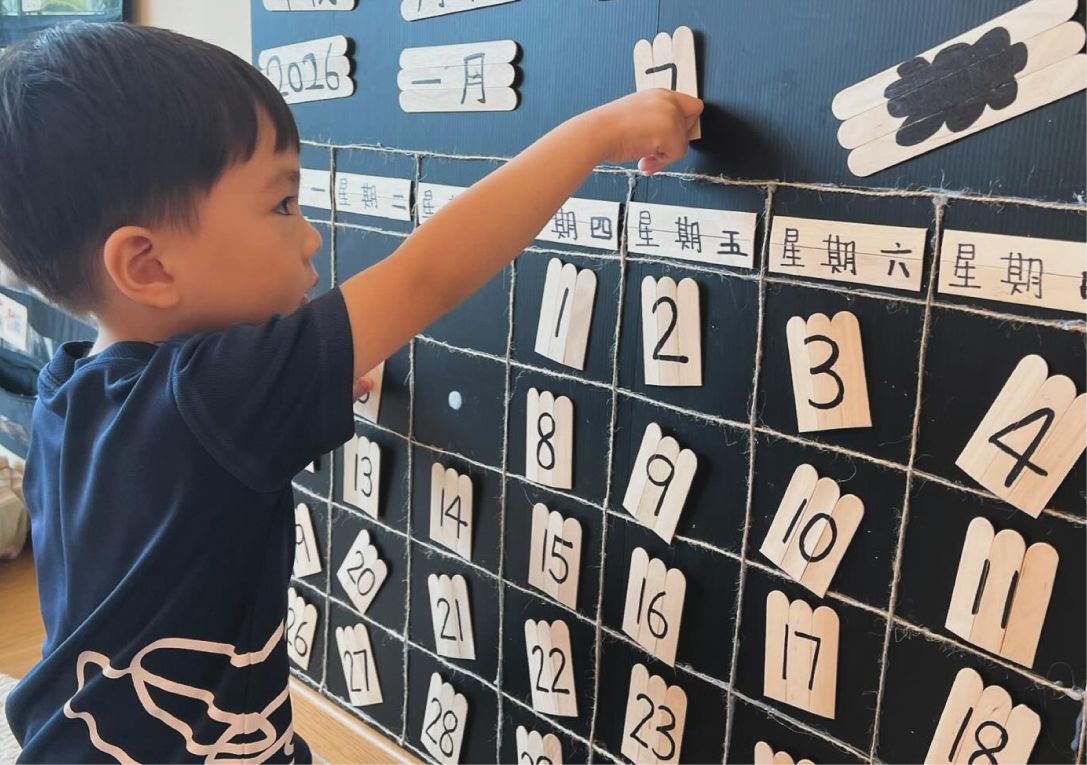
This ensures that Mandarin is not confined to a single lesson or task of rote memorisation. It becomes a lived language that is actively used across the school day.
Bilingual confidence grows through joyful, meaningful experiences. It comes from doing things naturally in a language instead of memorising specific words or phrases in it.
Lily Valley’s bilingual preschool curriculum provides a supportive and effective way for young children to truly learn through relationships and experiential learning.
Witness these learning activities first-hand by visiting our preschool – book a school tour with us today!