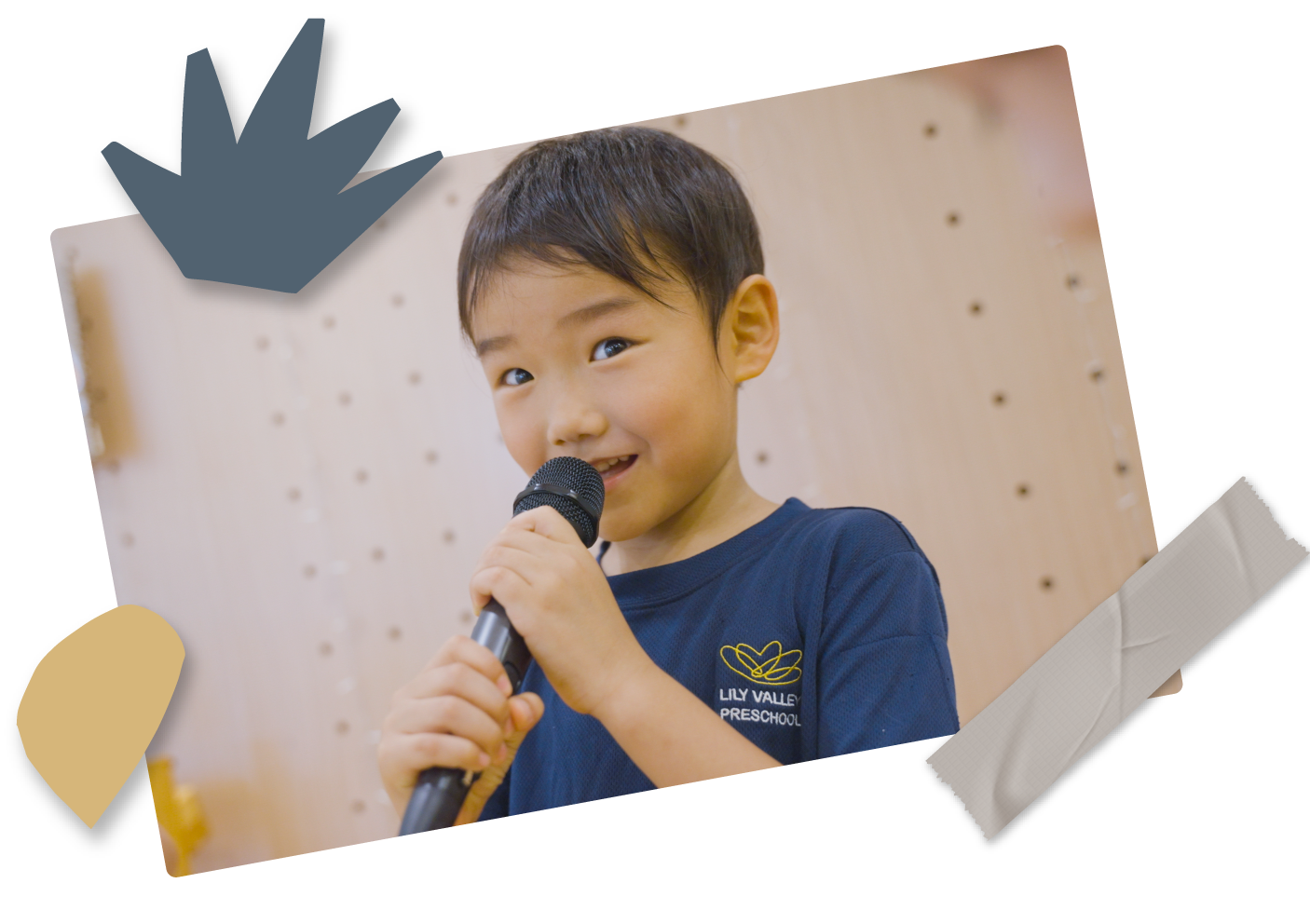
From Storytelling to the Stage: How Preschoolers Build Public Speaking Skills
Others
Last updated on 3 August 2026
 Lily Valley Preschool
Others
Last updated on 3 August 2026
Others
Last updated on 3 August 2026
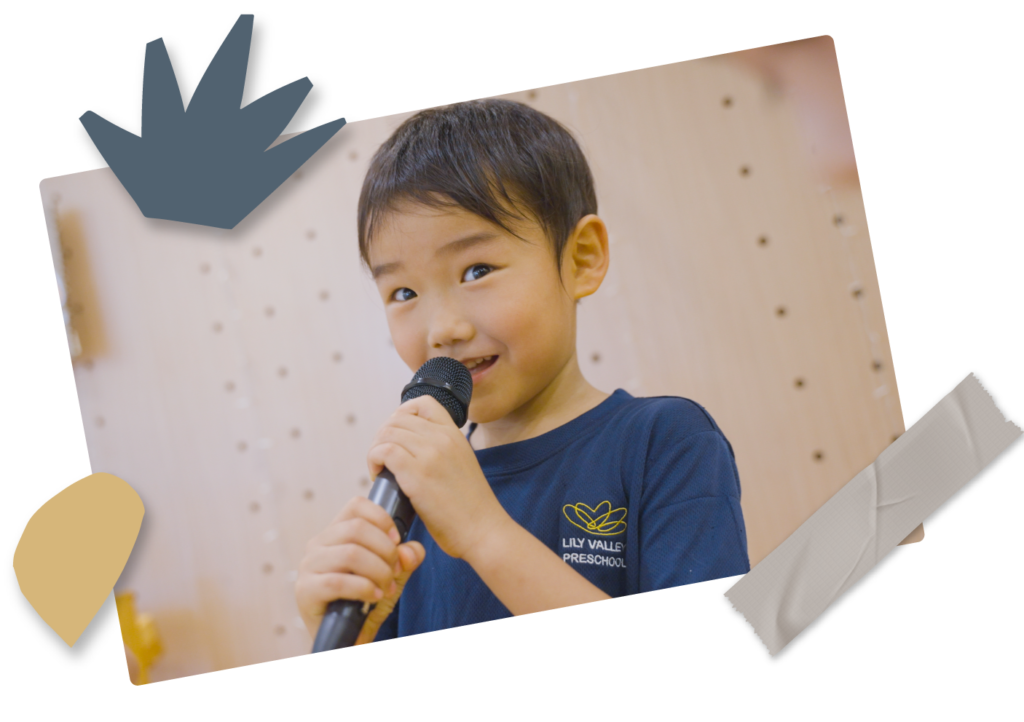
Many parents think that public speaking is a skill children only need when they’re older, and so they put off honing that skill until later.
In reality, the foundations of public speaking are laid earlier. The preschool years are when children first build the confidence to share their thoughts and engage with others.
This is why speaking activities for preschoolers matter more than most realise. It’s also why play-based learning environments can be among the best places for children to find their voices.
At some preschools, everyday moments allow them opportunities to practise communication. At Lily Valley Preschool, we find that the little ones don’t even think of it as practice!
Public speaking for children at this age isn’t about memorising scripts or reciting polished speeches. It’s better thought of as developing the foundational communication skills that everything else is built on.
This includes three core areas of development:
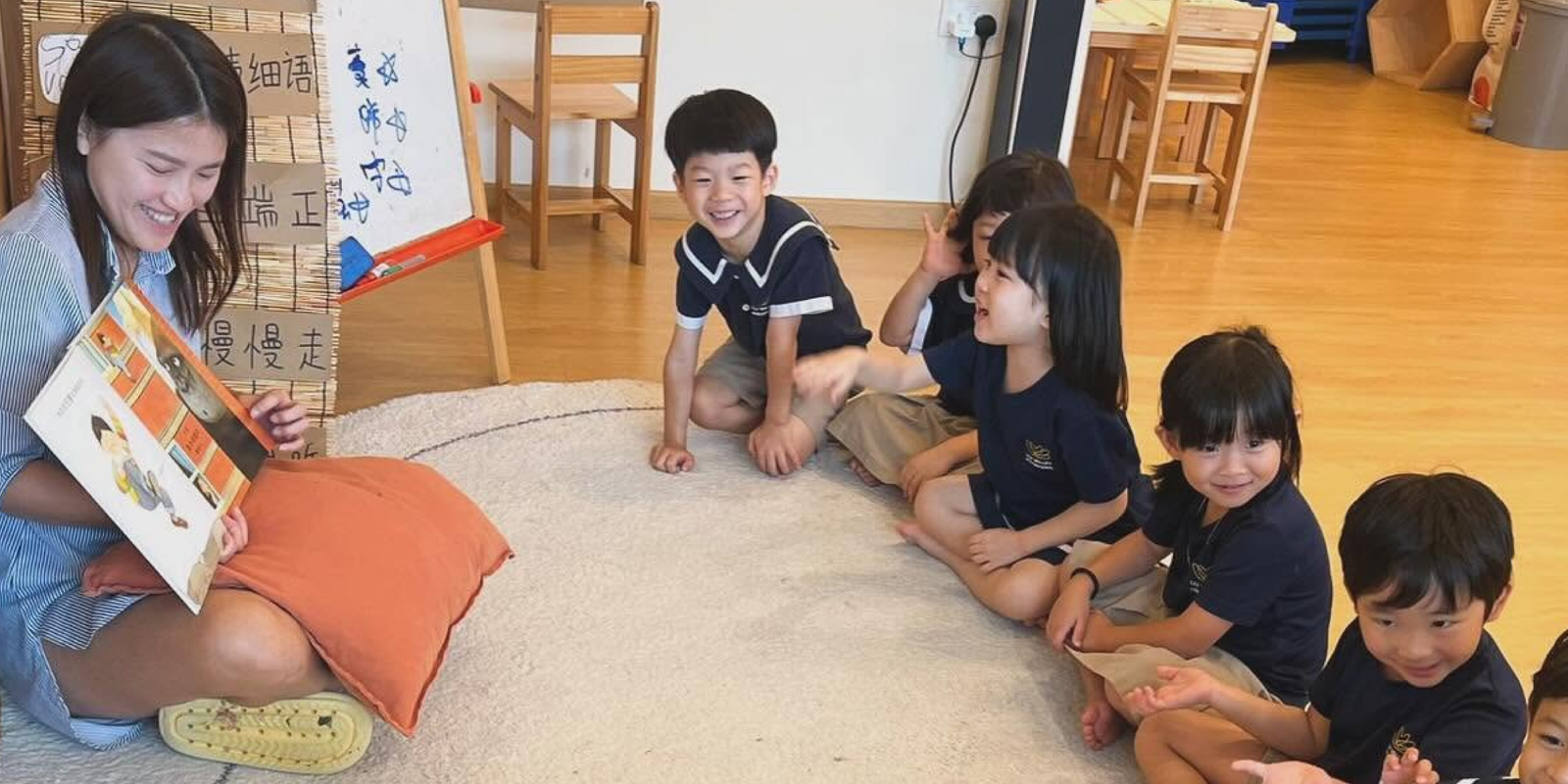
Early communication skills support more than presentations in school. The children who can communicate confidently also tend to:
They’re also more likely to become independent learners, unafraid to ask questions and explore ideas. That supports their development in more ways than one.
These are classic activities that give children a structured but playful chance to share something meaningful with a group. It can be a story, an experience, or an object.
At Lily Valley, we weave these into the curriculum to encourage children to communicate their interpretations of text. This is consistent with the Reggio Emilia-inspired approach, which views children as capable and creative thinkers with valuable ideas.
When children step into their characters, they practise the purposeful use of language and expression, as well as adaptation of tone and vocabulary to suit situations.
At Lily Valley, we see children do this during performances, storytelling, and dramatic play. It strengthens their ability to match scenarios to language and tone.
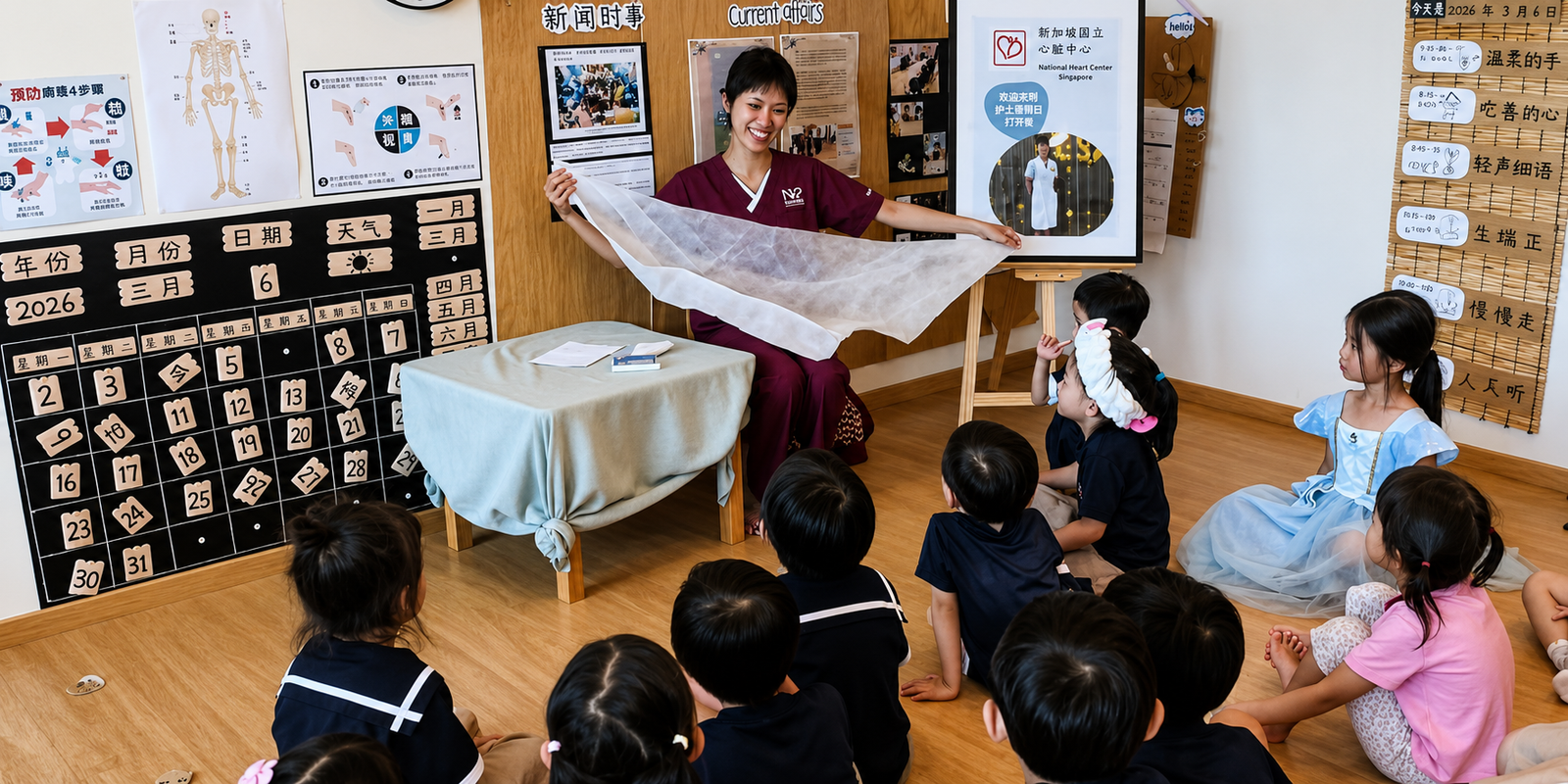
Inquiry-based learning means children explore topics through questions and discovery. Instead of simply receiving information from a teacher, they engage in more active investigation and questioning to arrive at answers.
We see our learners thrive with this approach in our Reggio Emilia-inspired curriculum. They even work collaboratively on inquiry projects over time and present them in exhibitions.
These exhibitions and showcases are very popular with our learners’ parents, by the way. It’s the perfect way to give children a true audience for their ideas as they articulate what they’ve learned.
There’s something powerful about seeing a child performing before an audience. While it may involve nerves, it also involves applause, and it allows children to build confidence further.
Lily Valley’s Centre Stage offers them a dedicated environment where they can participate in recitations, storytelling, and more for their families, who will get to how their child’s stage presence and communication skills have truly blossomed.
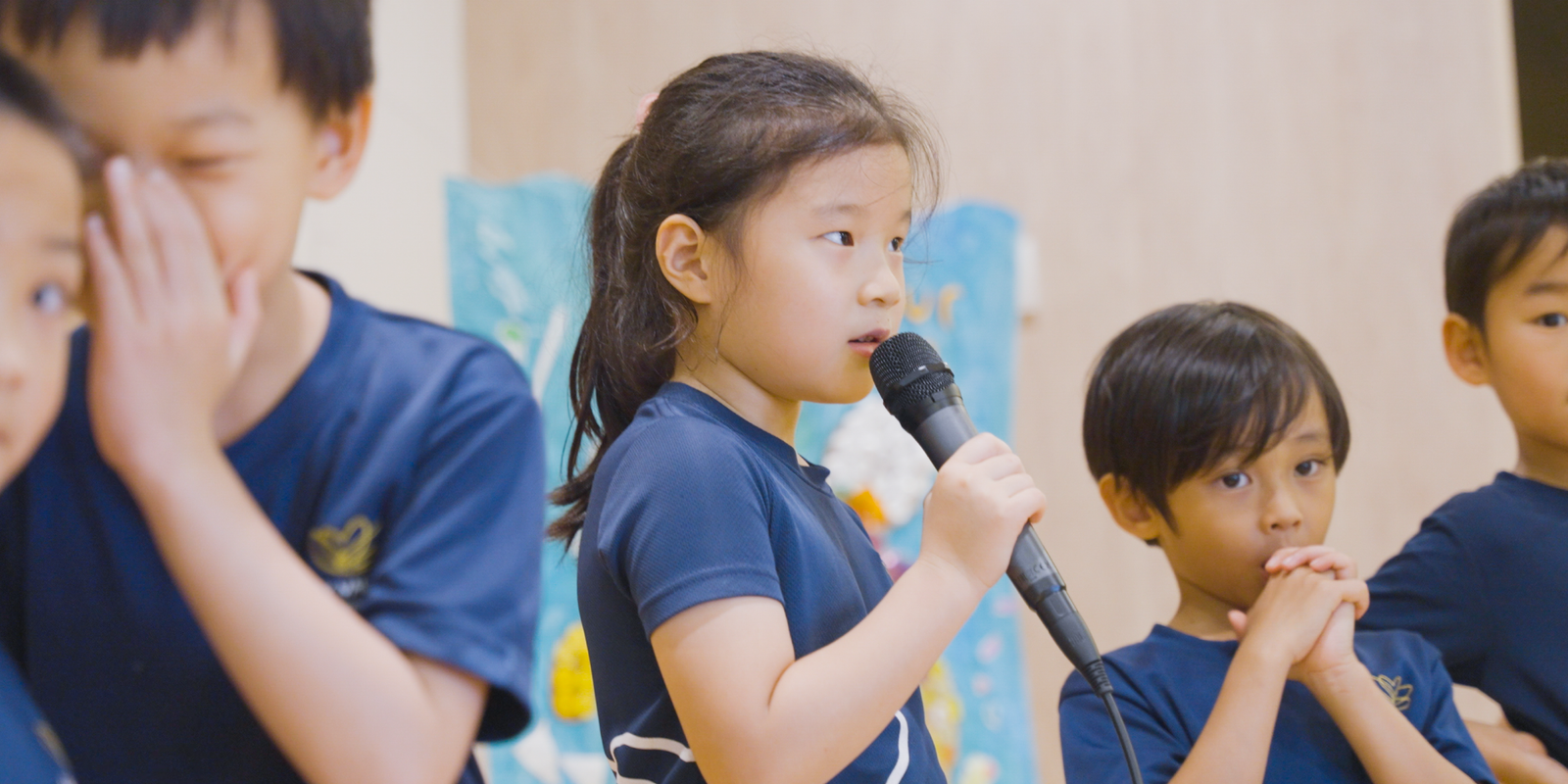
The teachers at Lily Valley Preschool bring together a wide range of experiences where children can express themselves. These include daily conversations, storytelling, creative activities and inquiry projects.
Through these activities, the little ones can build their communication skills gradually and in a safe environment. Repetition reinforces their learning and does so in a low-stakes space where children feel safe to try, make mistakes, and try again.
Our teachers also act as facilitators, inviting children to share ideas regularly. This is crucial to the Reggio Emilia approach that inspired our preschool, where the “100 languages of children” are often emphasised.
Children naturally communicate and engage with the world in more than one medium or mode of expression. By supporting all of these, we enrich each mode and allow it to become infinitely more meaningful for the young ones.
The right preschool environment gives children repeated and low-friction opportunities to practise communication in natural and meaningful ways. It turns the process of acquiring core communication skills into an enjoyable one.
If you want to see how learning comes to life in this way for our children, visit our centre! Book a school tour today to discover our learning environments and the programmes we’ve prepared for your child.