How Specialised Ateliers Inspire Deep Learning in a Reggio Emilia-Inspired Preschool
Play-Based Approach
Last updated on 16 February 2026
 Lily Valley Preschool
Play-Based Approach
Last updated on 16 February 2026
Reggio Emilia Approach
Last updated on 16 February 2026
Parents researching the Reggio Emilia approach often come across terms like “atelier” or “the hundred languages of children” as part of the learning approach.
While inspiring, these ideas can feel abstract without seeing how they work in a real preschool environment. Without seeing them in person at a play-based preschool like Lily Valley, it can be hard to understand their relevance to your child’s development.
In this article, we show you how specialised learning ateliers can bring Reggio Emilia principles to life through purposeful, play-based experiences.
An atelier is a dedicated learning space designed for exploration, creativity, and inquiry.
Ateliers support the Reggio Emilia belief that children express thinking in many ways: through art, movement, sound, light, language, and more.
Learning in an atelier focuses on the process, not just the final outcome. This is why children investigate ideas in ateliers (often collaboratively), revisit their thinking, and make meaning alongside teachers.
The teachers don’t dictate a fixed direction for learning in these ateliers. Instead, they help guide children’s investigations instead of dictating the directions they should take.
They also document what happens in the ateliers, which is a key part of the educator’s role in Reggio Emilia. Documentation helps make learning visible to children, educators, and families.
The atelier is a hallmark of the Reggio Emilia education, which can be highly play-based in its learning approach. It embodies play-based learning by offering:
Play-based learning draws from meaningful experiences rather than worksheets or rote memorisation. This is exactly what happens in ateliers, where children ask questions and test ideas.
In Lily Valley, we see children use our ateliers to pursue new inquiries, revise thinking, and express understanding in different ways. This is how ateliers support the growth of confidence, creativity, problem-solving, and a genuine love for learning.
Next are some examples of specialised ateliers that you may see in Reggio Emilia preschools and how they help your child learn. Note that we have all of these at our own play-based learning preschool, Lily Valley!
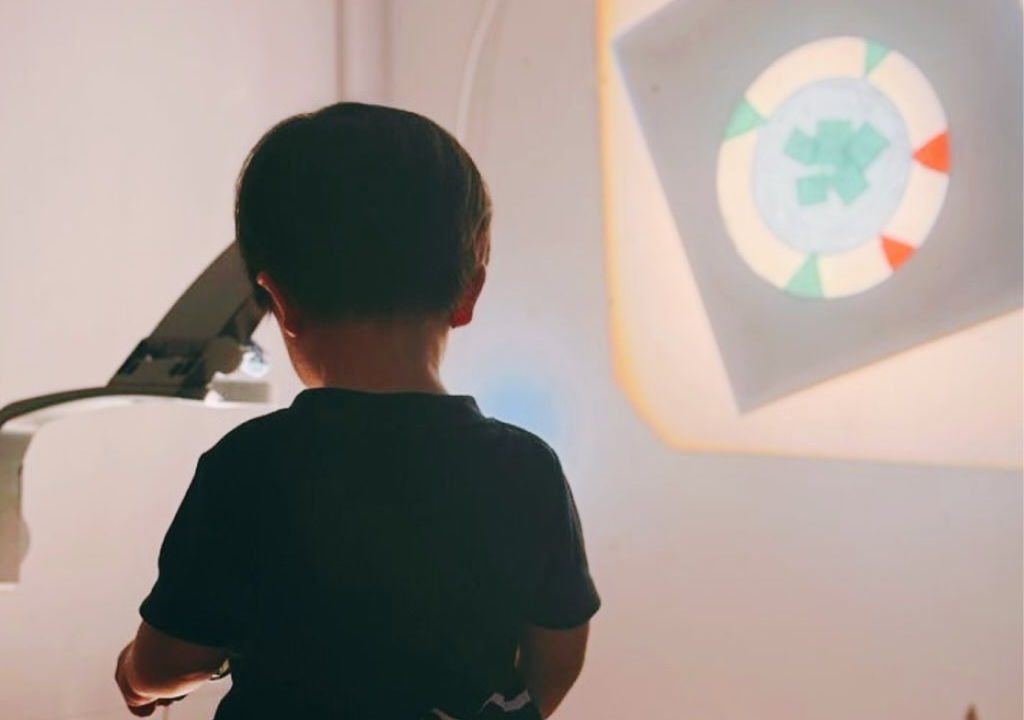
Light naturally fascinates children. It moves, changes, reflects, and transforms spaces.
The Light Atelier functions as a space for exploring reflections, shadows, colours, transparency, and opacity. Children use projectors, loose parts, mirrors, prisms, and coloured materials to investigate how light behaves.
This nurtures early scientific thinking by encouraging children to:
It supports creativity too. Children paint with shadows, build illuminated structures, and create narratives with silhouettes within them.
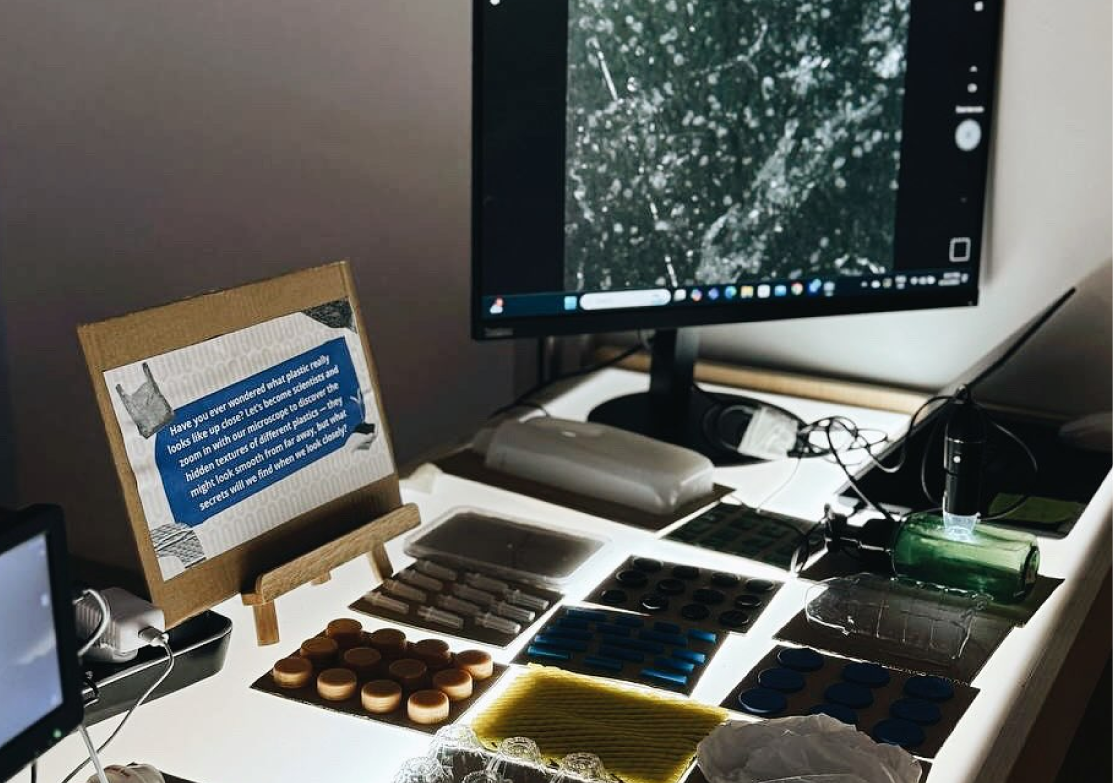
This atelier introduces children to digital tools in a developmentally appropriate, exploratory way. In it, children experiment with motion, sound, and visuals using various tools.
The atelier gives them access to things like projectors, microscopes, and drawing tablets. In this way, technology is treated as a language for thinking and expression, not passive screen time.
The atelier also integrates design thinking, where children imagine, test, revise, and refine ideas. It becomes a place for real-world application of play-based learning through collaborative inquiry, creative problem-solving, and multidisciplinary exploration.
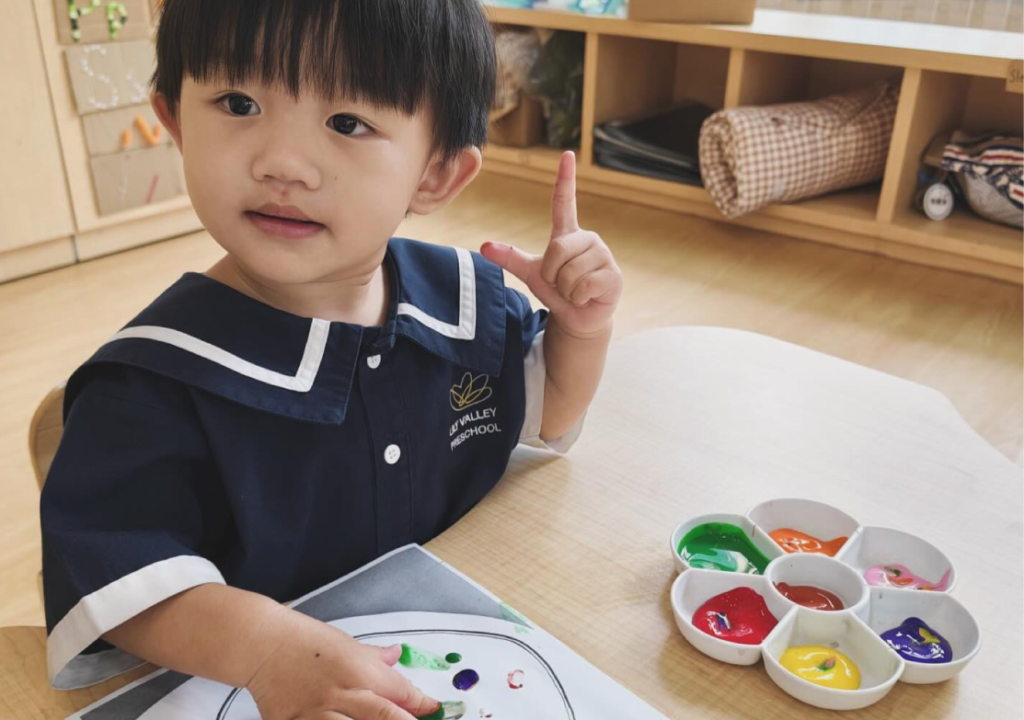
This is a dedicated space for deep creative exploration. In it, children can access a wide array of art materials, including paints, clay, wire, charcoal, collage materials, and natural pigments.
Children use art to communicate feelings, represent ideas, and document their thinking. They don’t have fixed outcomes or templates to follow. Instead, it becomes a process of truly engaging, expressive, and open-ended creation.
At Lily Valley, we even have long-term creative projects that we tie to school-wide inquiries or collaborations with community artists.
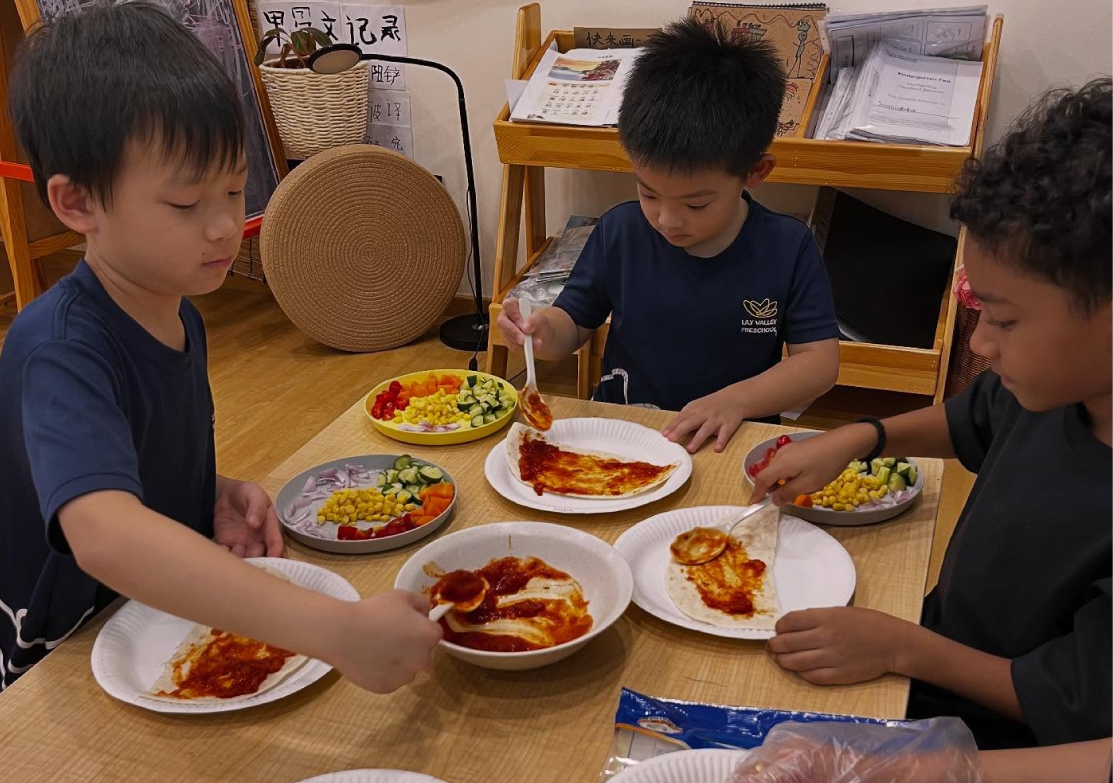
Food offers a powerful, hands-on way to explore science, culture, and sustainability. Lily Valley’s Kitchen Atelier invites children to explore the following:
In this way, cooking becomes an inquiry process involving observation, measurement, prediction, and reflection. Children can also cook alongside teachers, families, and the school chef, strengthening community connections.
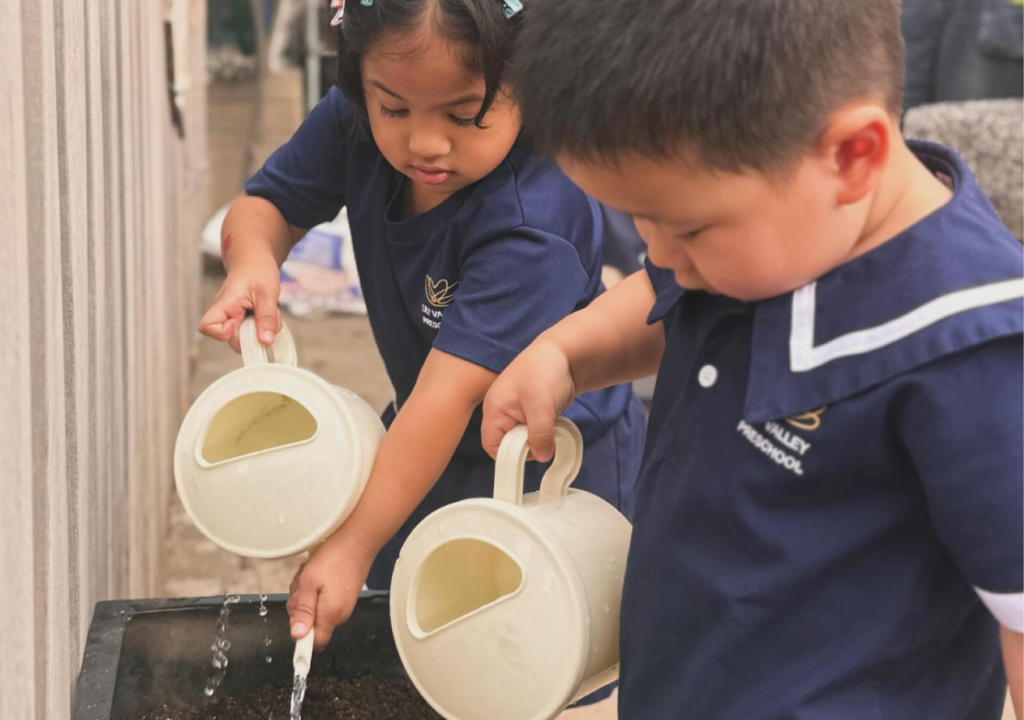
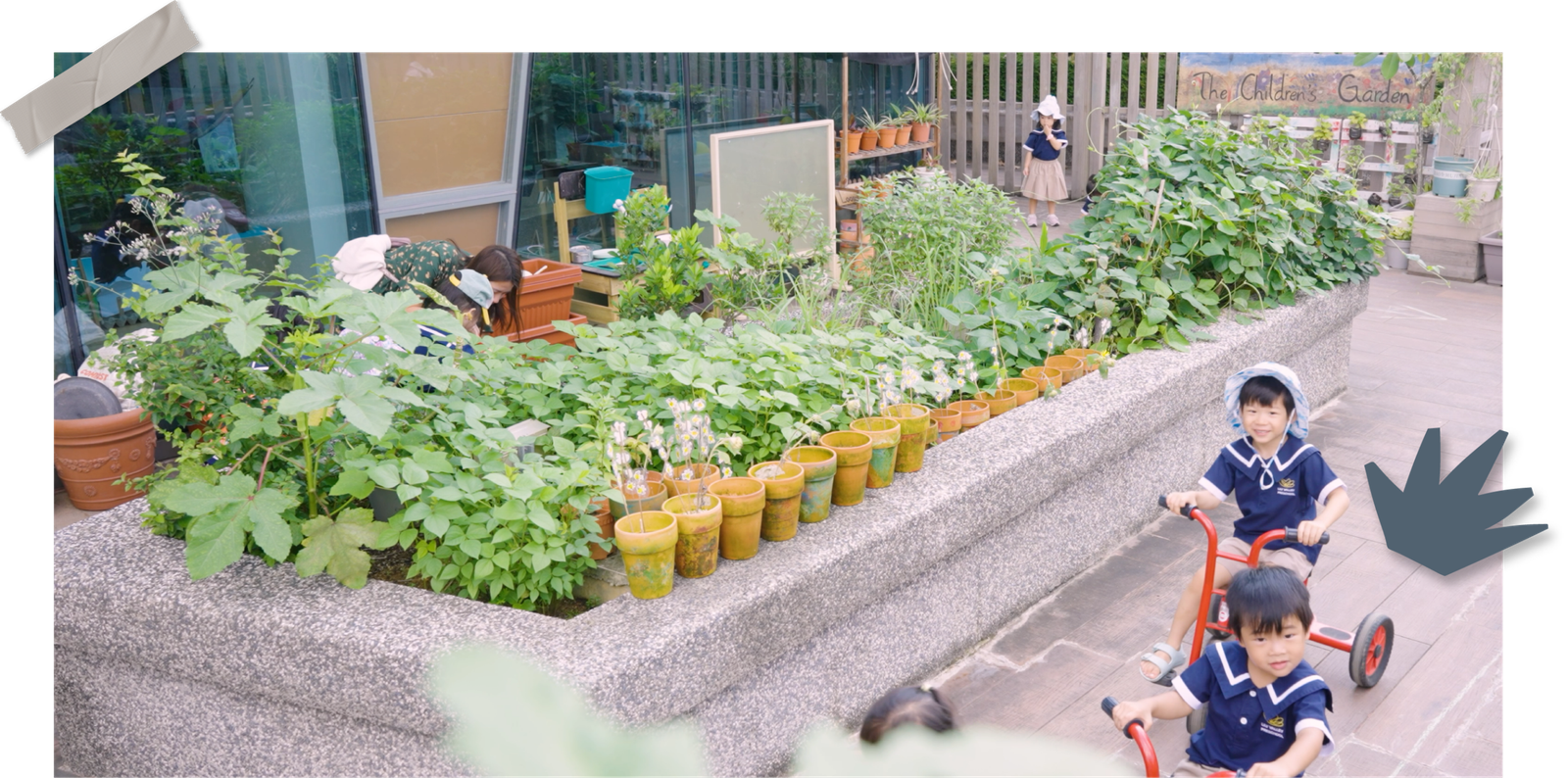
This is a calming, sensory-rich garden environment where children plant, water, observe growth, and harvest produce like herbs, vegetables, and seasonal crops.
This teaches responsibility, patience, care, and early ecological or environmental awareness. It also lets children learn through real-life cycles rather than abstract concepts.
Gardening builds emotional well-being and supports sensory integration through this atelier, which emphasises meaningful connection with nature.
Ateliers naturally encourage many capabilities that are often less emphasised in more traditional classroom settings, such as inquiry, problem solving, reflection, creative risk-taking, and multisensory learning.
All of these come naturally from children’s play in ateliers. Children even revisit ideas over time, deepening understanding through representation and exploration.
In ateliers, educators support learning by observing, asking thoughtful questions to guide and extend children’s theories, and documenting children’s processes.
It makes learning visible and meaningful – not rote, not rushed, not predetermined with set outcomes. This holistic approach is why a play-based preschool often supports deeper and longer-lasting learning than most traditional classrooms.
Ateliers are more than themed spaces. They are thoughtfully designed environments that inspire children to explore, imagine, and express themselves through many symbolic languages.
At Lily Valley, these ateliers reflect a strong belief that children learn best when they are curious, engaged, empowered, and supported.
Come and experience these ateliers for yourself! Book a school tour today and discover how Lily Valley’s ateliers nurture curious, confident, and creative learners through the power of play.