Learning Through Inquiry: Lily Valley’s Reggio Emilia-Inspired Projects
Play-Based Approach
Last updated on 01 January 2026
 Lily Valley Preschool
Play-Based Approach
Last updated on 01 January 2026
Reggio Emilia Approach
Last updated on 01 January 2026
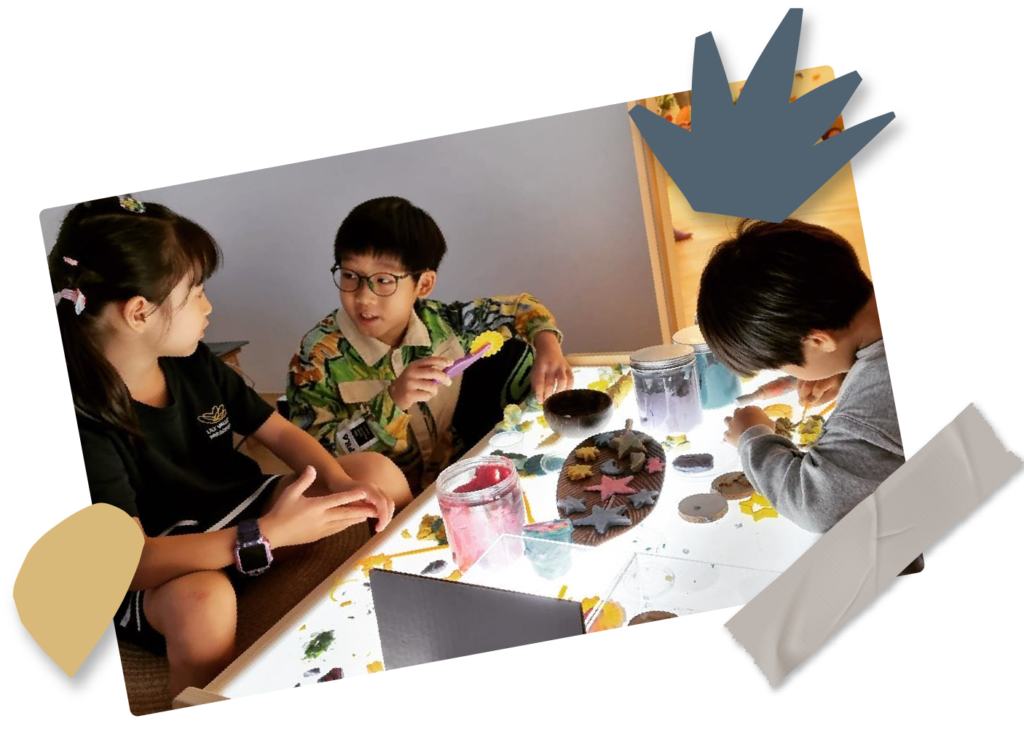
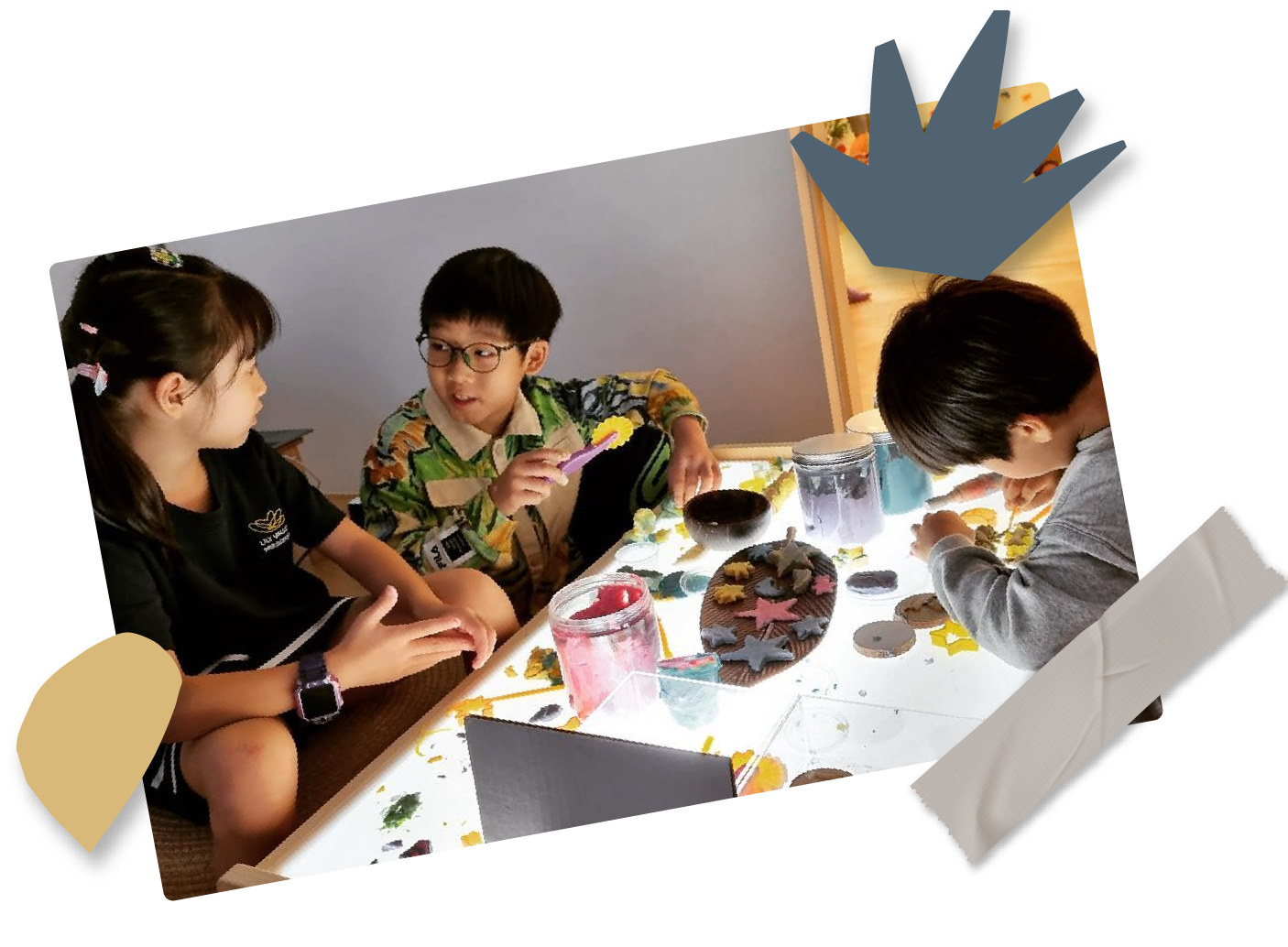
Imagine stepping into a classroom where sunlight hits a mirror on a table, scattering reflections. Children gather around it asking, “Why does this light move when I move?” Another group examines leaves under magnifying glasses, sketching their patterns with fascination.
This experience is at the heart of the Reggio Emilia-inspired approach at Lily Valley Preschool, where learning begins with questions, observations and real-world exploration.
In our preschool, inquiry-led projects allow children to investigate meaningful themes, explore big ideas, and construct understanding through hands-on experiences.
Reggio Emilia emphasises several key concepts:
Instead of delivering knowledge through direct instruction, teachers in a Reggio Emilia preschool invite children to explore questions, test ideas, and gradually build understanding.
This means the process of learning in a Reggio Emilia preschool typically involves the following activities or stages:
At Lily Valley Preschool, inquiry projects can span days or weeks, depending on how deeply children engage. Projects evolve naturally, allowing children to take ownership of their learning in a nurturing play-based environment.
At Lily Valley Preschool, different types of projects are offered to fuel our children’s inquiry-based learning journeys.
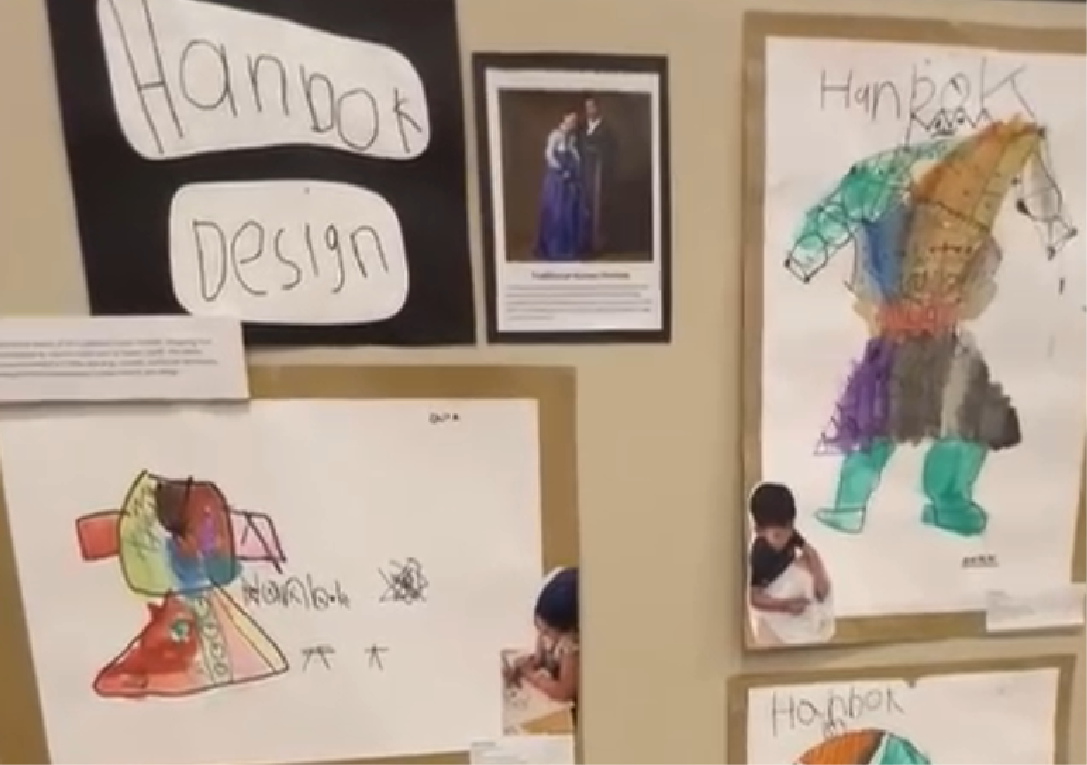
At Lily Valley, children learn that the world is filled with diverse stories, traditions, and histories. In this inquiry project, children explore cultural artefacts from around the world to discover the many cultures around the globe.
Examples of cultural artefacts used here are maracas, a hanbok, African tribal masks, and traditional embroidered vests. Teachers introduce these cultural objects along with photos and stories.
From there, children naturally begin asking questions such as “Where did this come from?” and “Why do people wear this?” They study patterns, colours, textures and symbols.
Later on, they even begin creating their own artefacts using clay, fabric scraps, natural materials, beads, paper, or recycled items.
They may also explore the meaning behind cultural practices and begin to see similarities and differences between traditions.
Instead of simply copying, children thus reinterpret what they see, explore symmetry, and attempt patterns on their own. This becomes a powerful project tapping into creativity, history, imagination, and cultural understanding all at once.
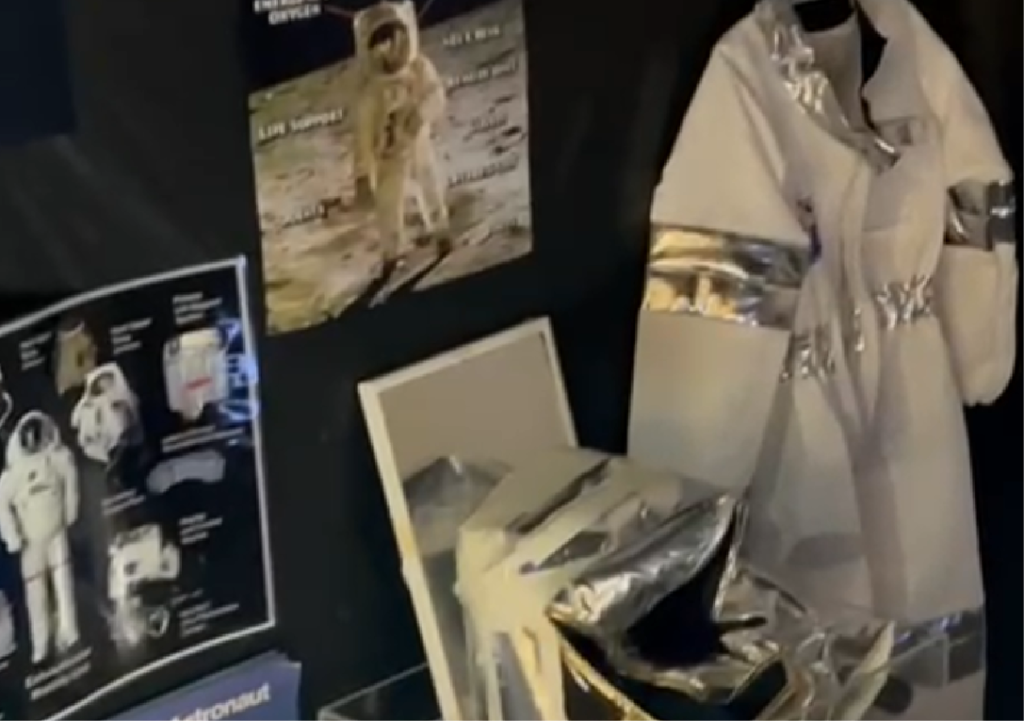
Many children are naturally fascinated by the sky, stars, and planets. That makes this one of the most popular inquiry projects at Lily Valley.
A simple provocation is offered such as a moon lamp, astronaut photos, shadows under a projector, or a child asking about the sun. Again, this sparks a deeper investigation.
Children get to learn about the planets, astronauts, the moon, and galaxies. They can also experiment with light and shadow to simulate space.
We even see children creating their own textured moons using paper mache or sensory materials. Or they design a spaceship and astronaut gear using boxes, tubes, and recycled materials. They even role-play as astronauts exploring unknown worlds!
The classroom transforms into a mini universe where scientific thinking grows naturally through imagination and hands-on experimentation. This project is a perfect demonstration of how Lily Valley turns natural curiosity into meaningful scientific inquiry for little ones.
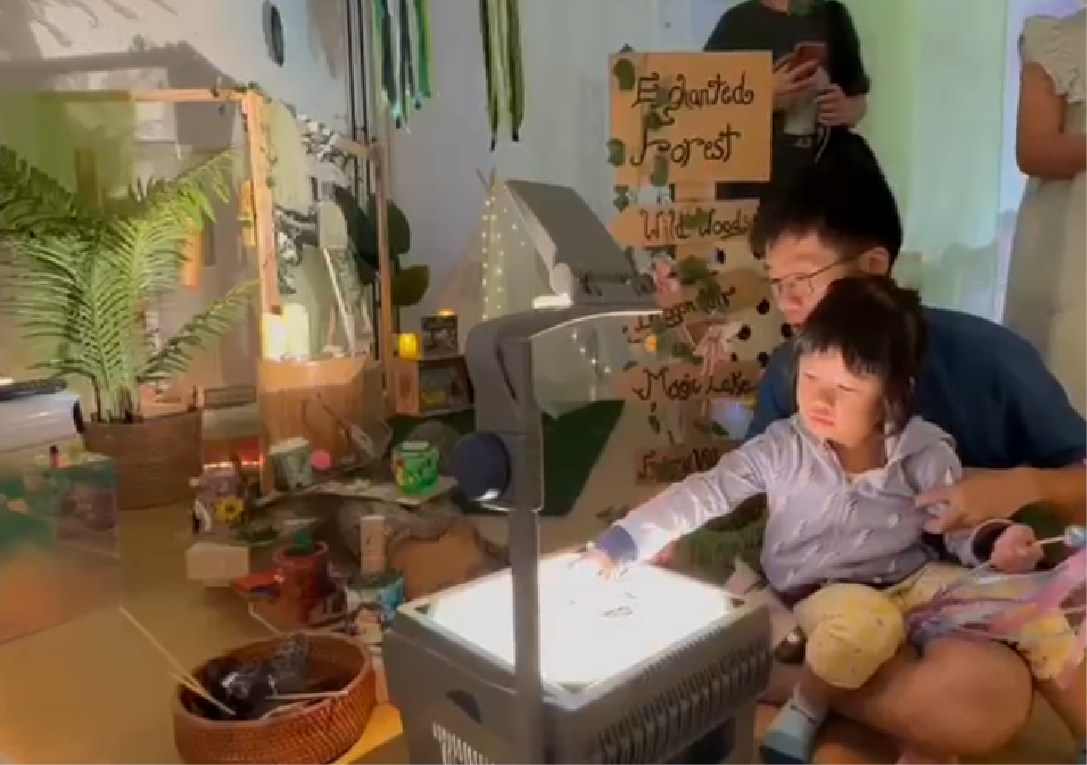
This is an immersive art atelier project where children create a forest with fabrics and learn about different parts of the forest and its flora and fauna at the same time.
Children explore fabrics through multiple senses as they work. They feel the textures of materials through touch. They discover how different fabrics move, wave or twist. They explore colours, gradients, nature palettes, and even fabric structure when being used
They cut, tie, weave, and layer to form trees, leaves, vines, and forest pathways. They also work collaboratively to design and reconstruct the world’s natural beauty with their own materials.
This becomes a way to learn about nature through an artistic lens and experience the Reggio Emilia belief where materials speak to the child.
The Fabric Forest becomes more than just an art, in a sense. It becomes a living environment shaped by children’s ideas and views of the world.
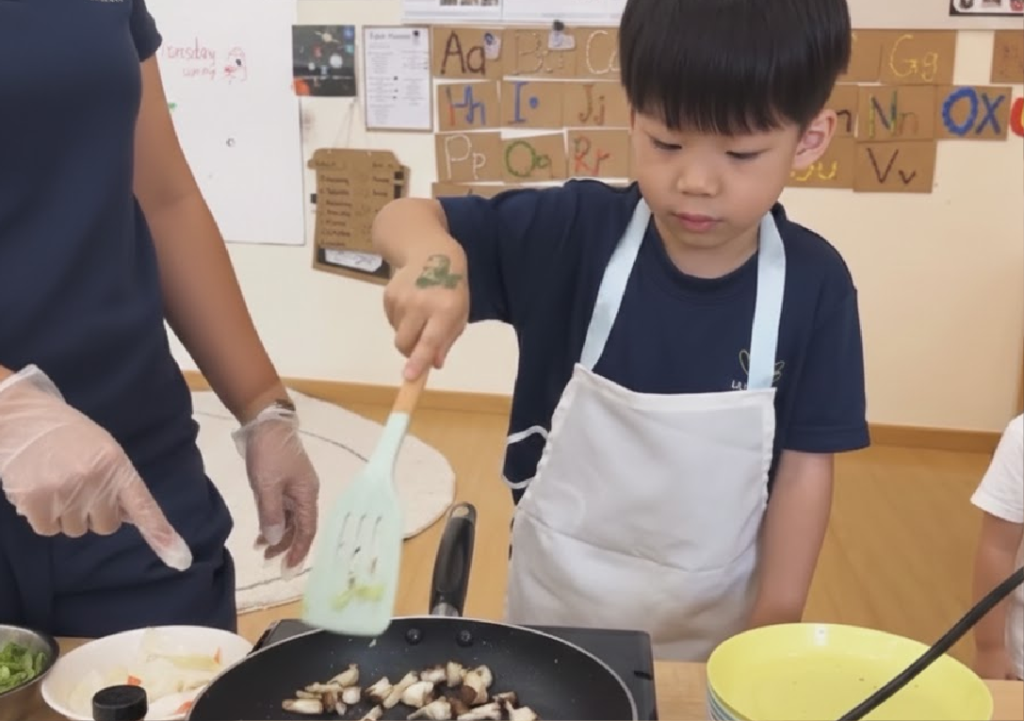
Lily Valley’s edible garden invites children to participate in seasonal gardening projects that teach responsibility, wellness, and environmental care.
Children are always asking questions like these:
In this project, we let them discover the answers themselves. Children plant herbs, fruits, or vegetables. They water, observe, and track changes in plant growth.
They can explore soil, seeds, roots, stems, and leaves for sensory play and discovery. They can also harvest produce that the Lily Valley team later incorporates into meals.
This engages them in sensory exploration even as they learn responsibility and care for living things. They also experience nature in a child-friendly setting.
Furthermore, it builds awareness early on of core science concepts like life cycles, the needs of plants, and cause and effect. Teachers can even extend their inquiry with conversations about sustainability, healthy eating, and environmental care.
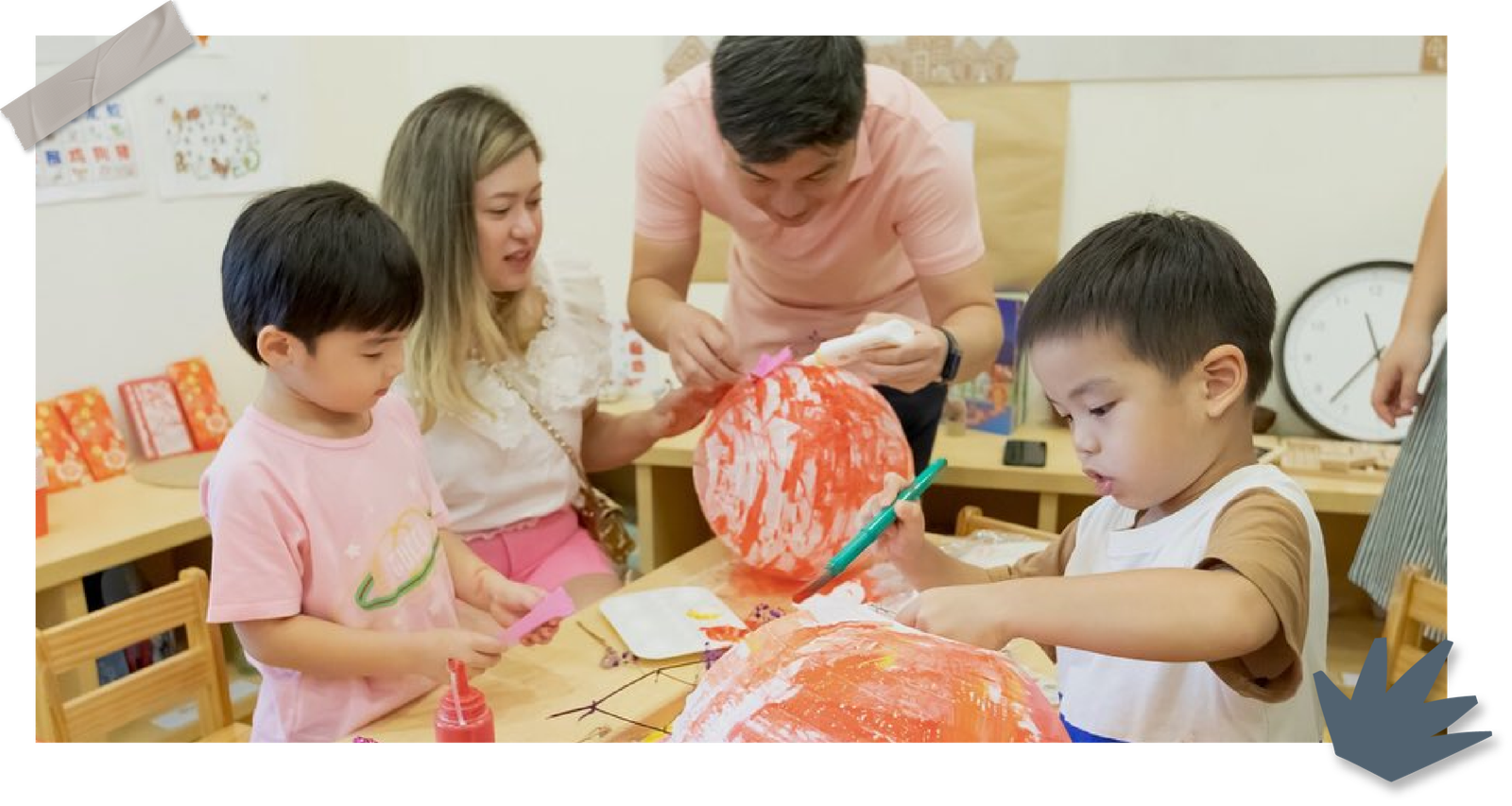
Through open-ended exploration, children learn to ask meaningful questions, test ideas, and form their own conclusions. This nurtures intrinsic motivation and a genuine love for learning that goes beyond memorisation.
In turn, it prepares children for primary school and lifelong learning. This is how we raise adaptable thinkers who are confident and curious, and who have strong foundations for formal schooling.
Inquiry projects help children analyse, predict, and develop their reasoning abilities. As they investigate, compare materials or solve challenges, they develop early science, numeracy, and logic skills in natural contexts.
Children learn to articulate observations, negotiate roles, and share discoveries with peers in these projects. Inquiry tends to be a process that involves communication. It naturally strengthens vocabulary, expressive language, and conversational confidence.
Working together with others on a shared project helps children practice empathy, turn-taking, and teamwork. They also learn to value others’ perspectives while building resilience in their own ideas, practising core social skills.
Handling tools, materials, natural objects, and art resources helps children refine coordination and hand strength. Even everyday tasks like planting, crafting, or constructing build real-life capability and independence.
Reggio Emilia-inspired inquiry projects transform everyday moments into powerful learning experiences. They help children become thinkers, creators, problem-solvers, and compassionate human beings. All of these are competencies and qualities that last far beyond the preschool years.
Curious to personally see how inquiry-led projects come alive in our classrooms? Book a school tour at Lily Valley preschool to experience our Reggio Emilia-inspired environment firsthand!