What Is Provocation Play and How Does It Nurture Critical Thinking in Preschoolers?
Play-Based Approach
Last updated on 27 Nov 2025
 Lily Valley Preschool
Play-Based Approach
Last updated on 27 Nov 2025
What Is Provocation Play and How Does It Nurture Critical Thinking in Preschoolers?
Play-Based Approach
Last updated on 27 Nov 2025
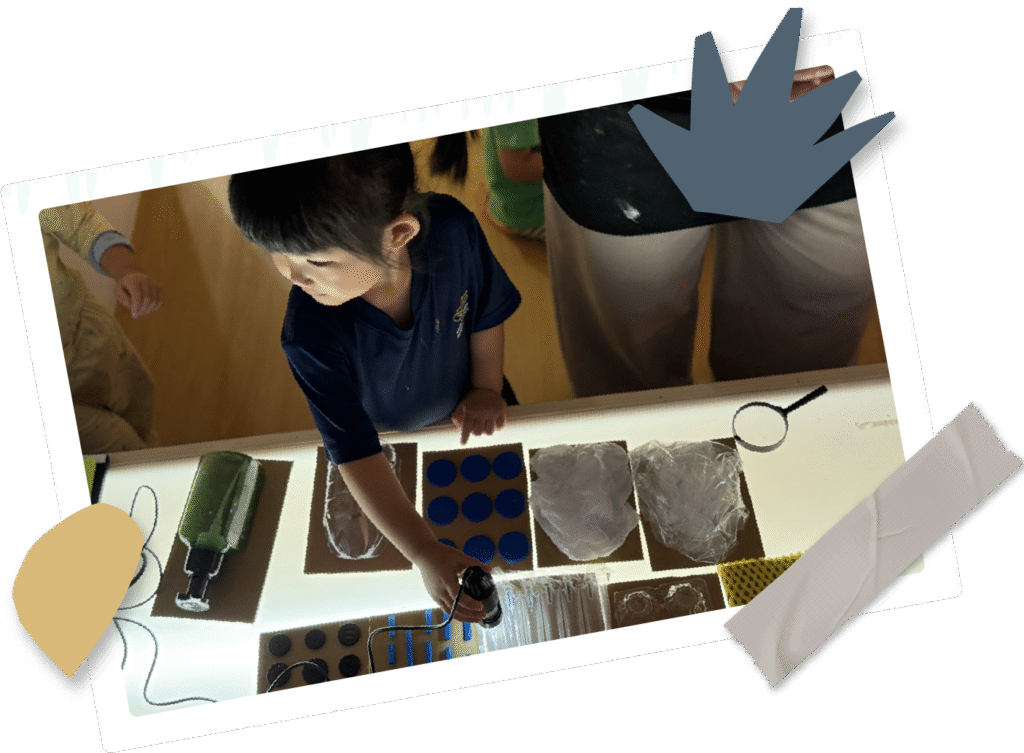
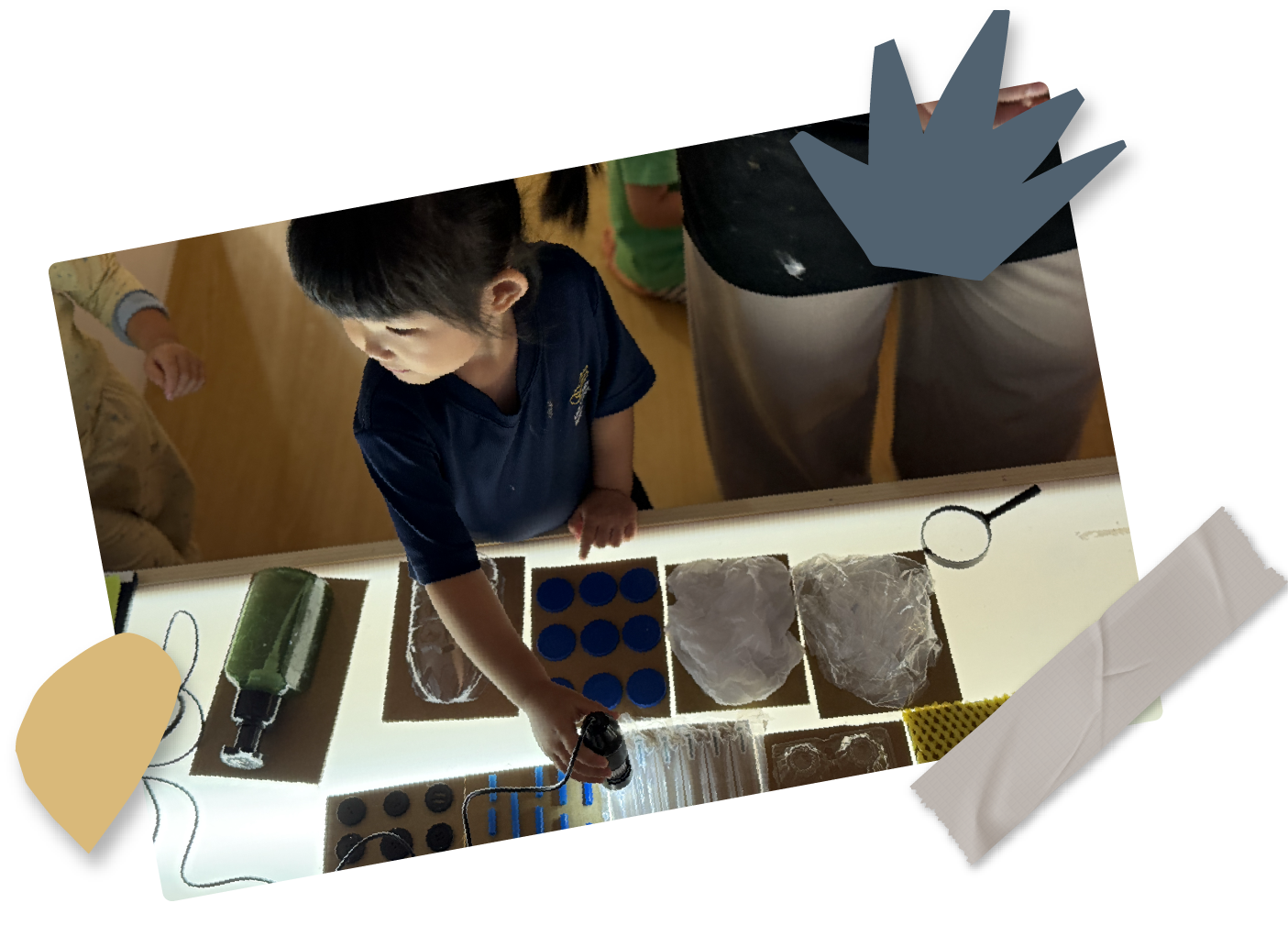
Picture a classroom filled with loose materials – pinecones, coloured beads, magnifying glasses, and clay.
Children gather around curiously exploring, asking questions like “What happens if I mix this?” or “Why is it shaped like that?”
At first glance, it looks like play that has no aim other than fun. But beneath the exploration lies the heart of the play-based approach in early childhood learning.
In this approach, children are not just having fun. They think, question, and problem-solve in the middle of all that. This is a form of guided exploration called provocation play.
At Lily Valley Preschool, you will see this Reggio Emilia-inspired practice as our play-based preschool uses it to stimulate curiosity through carefully designed setups that invite children to think, wonder, and investigate.
For us, provocation play in preschool is an important part of how children learn. It transforms classrooms into mini labs of discovery, nurturing critical thinking in preschoolers through real-world exploration!
Provocation play refers to open-ended learning invitations, materials, or experiences that spark curiosity and encourage children to explore ideas freely.
Unlike structured lessons, provocations don’t come with right or wrong answers. They instead prompt children to undergo an open-ended journey of exploration and discovery.
Children learn to observe, ask questions, test ideas and build meaning through self-directed play. At Lily Valley, our teachers design provocations around real-life themes such as nature, light, sound or even emotions.
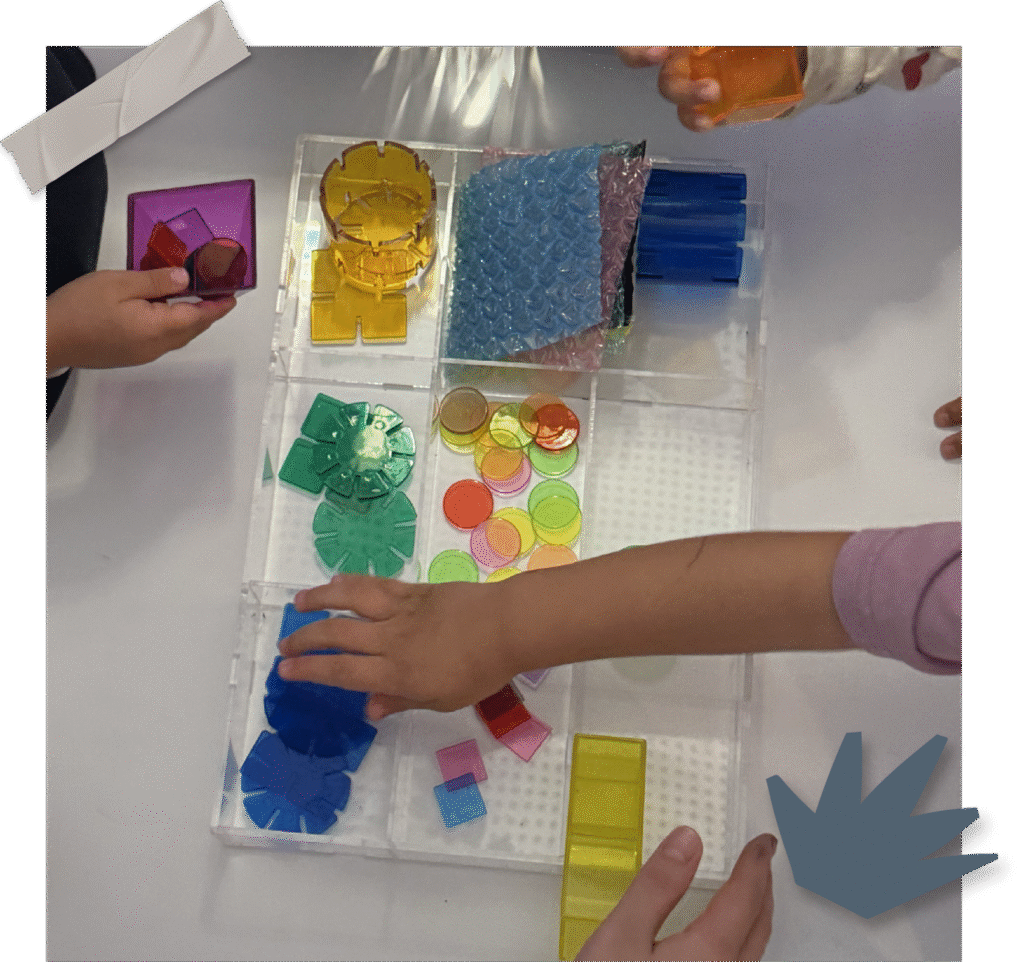
For example, a table of mirrors and colourful blocks might lead children to explore reflection and symmetry. Natural materials like leaves or stones might inspire conversations about patterns or ecosystems.
As part of our play-based approach in early childhood, we have dedicated learning ateliers for children to explore different things, such as our Light and Art Ateliers.
Each of our ateliers has a unique, specially designed setup that encourages children to take the lead in their investigation and learning using various materials and opportunities. The teacher acts as a facilitator through it all, guiding their inquiry rather than directing it.
Provocation play fits naturally into the play-based preschool model because it values exploration as a foundation for learning.
At Lily Valley, teachers use provocations to bridge play and cognitive development.
Every material, question or setup is intentionally aimed at helping children do the following:
This approach aligns with Lily Valley’s belief that children are capable and active learners. It also supports holistic, cognitive, social and emotional growth, rather than rote learning or memorisation.
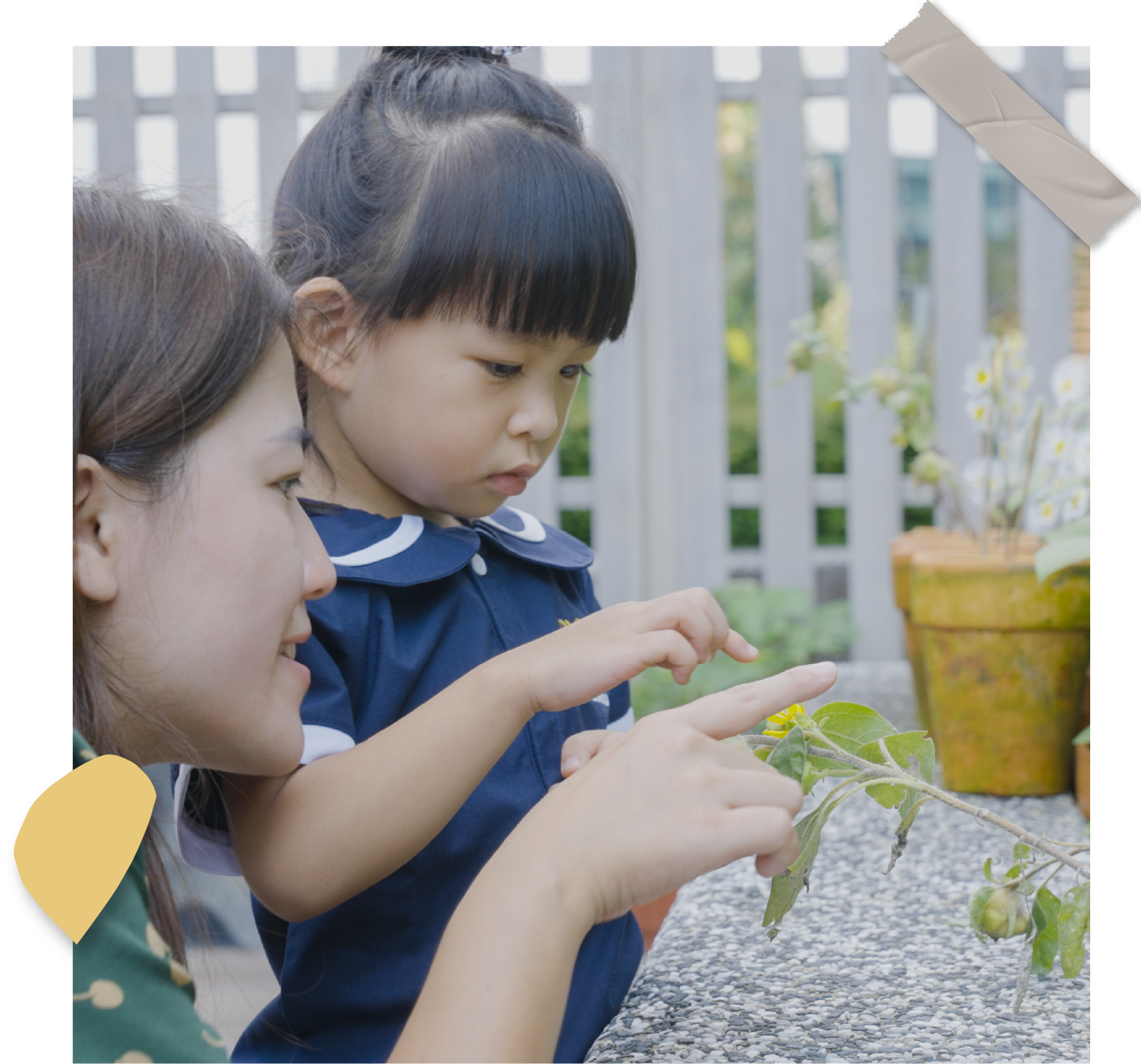
Provocation play can help nurture critical thinking in preschoolers. Paired with another core technique of Reggio Emilia, intentional thinking, it can support cognitive growth in young ones.
Provocation play gives children space to make decisions, solve problems and express ideas confidently. During it, you might see teachers asking open-ended questions like these:
These prompts encourage children to analyse, evaluate, and reflect on their experiences. They also get the opportunity to discover the forces at work behind their play.
For example, when children are invited to build bridges using blocks and toy cars, they learn about balance, cause and effect, and teamwork – all while learning through play!
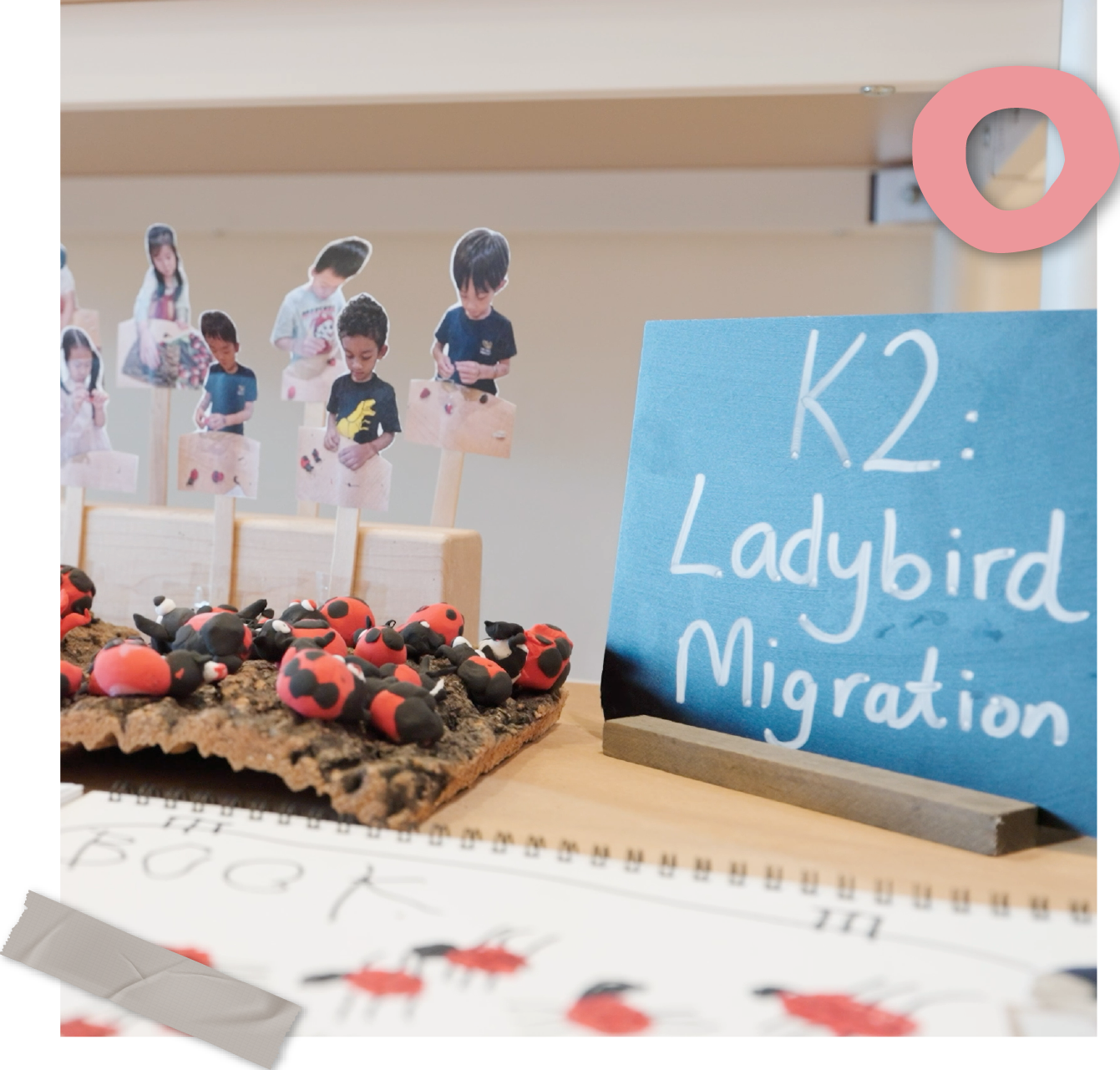
Provocation play develops more than intellectual curiosity by helping to shape confident, empathetic, and independent learners.
Through shared discovery, children learn to listen to peers, negotiate ideas, and value multiple perspectives. This can help with strengthening their emotional and social intelligence.
Provocation play can also help them gain resilience: when experiments don’t work, they learn to try again, refining both logic and perseverance.
At Lily Valley, these everyday experiences help children grow into curious and resilient thinkers who are ready for the challenges of primary school and beyond.
Provocation play is more than a classroom activity. It can actually serve as a mindset that celebrates and strengthens a child’s natural curiosity and confidence.
At Lily Valley, it’s part of our commitment to nurturing independent, reflective and compassionate learners through a play-based approach in early childhood. It’s a thoughtful, meaningful strategy to support children’s growth.
Curious how provocation plays come to life in our classrooms? Book a school tour with us to see how our play-based learning approach inspires critical thinking and creativity in every child, and meet the teachers who make it possible!